Laser cutting burrs commonly come from insufficient cutting gas purity, improper equipment parameter settings, insufficient laser output power, too slow cutting speed, or unstable machine operation. Solutions include changing to high-purity gas, adjusting focus position, checking laser output power, increasing cutting speed, or restarting the machine.
Insufficient cutting gas purity
In laser cutting, assist gas such as oxygen and nitrogen blows away molten metal residue and keeps the cut face smooth. If gas purity or pressure is too low, slag is not fully blown away and remains on the surface as burrs. Solution: switch to high-purity cutting gas, check whether gas pressure meets equipment requirements, and ensure sufficient flow.
Laser focus position deviation
The laser focus is the core area where energy concentrates. If focus shifts, too high or too low, the material heats unevenly. Some areas melt insufficiently or vaporize excessively, causing burrs. Solution: determine the actual focus position by focus testing, adjust equipment parameters based on the offset, and make sure the focus lands accurately on the material surface.
Insufficient laser output power
Laser power directly affects cutting ability. If power is insufficient, the material cannot fully vaporize, and residual slag forms burrs. Laser aging or wrong output values from the control button can also cause abnormal power. Solution: check laser working status and confirm normal output power. If the equipment is normal, adjust the laser control button output value to a reasonable range.
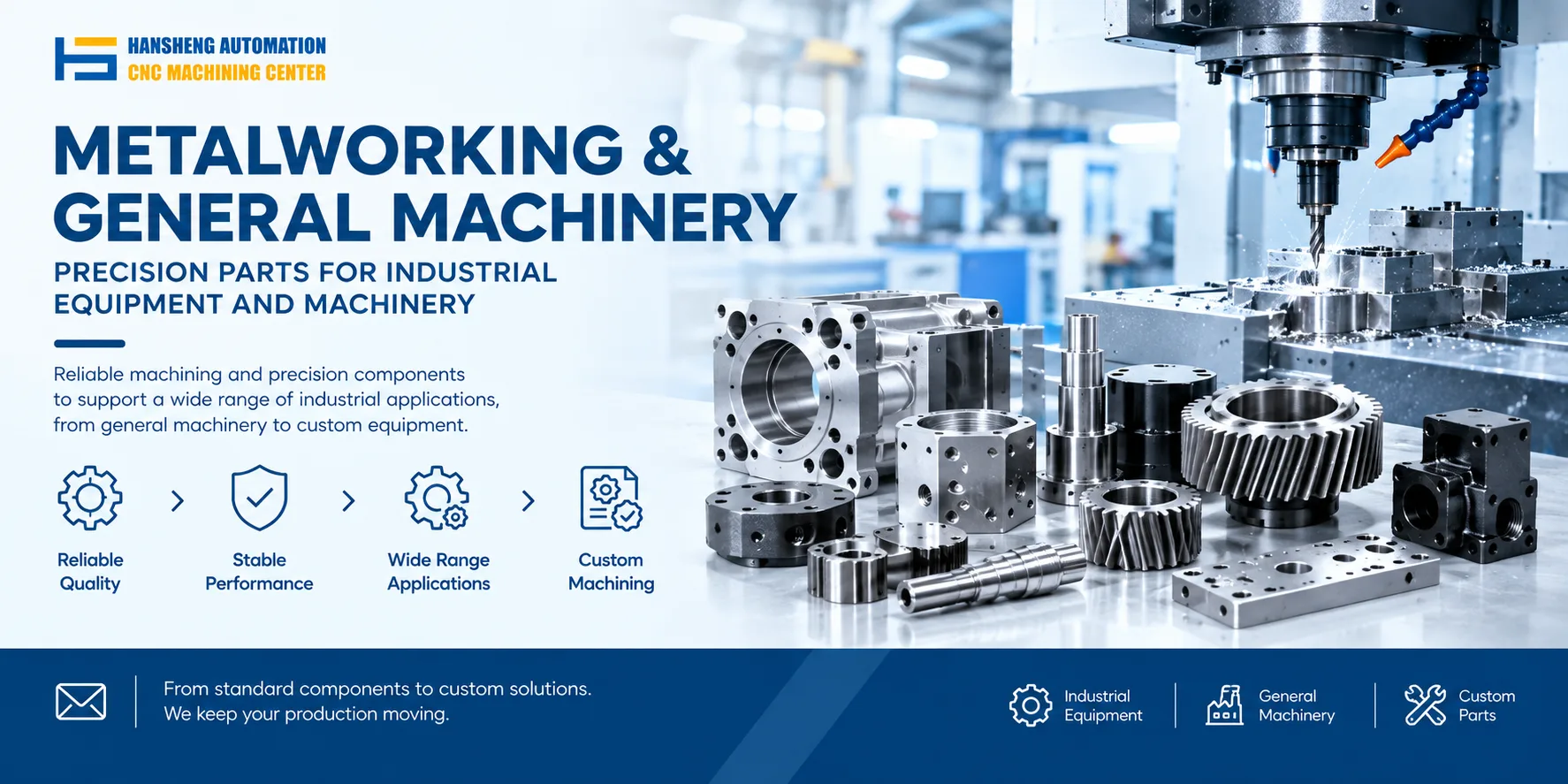
We can machine custom nozzles, fixtures, precision shaft parts, and other parts for laser cutting equipment from customer drawings, for single-piece or low-volume production.
Too slow cutting speed
Too slow cutting speed makes the material stay under the laser too long. Local overheating increases slag, and assist gas cannot blow away residue in time, forming burrs. Solution: increase cutting speed appropriately. Find the best speed parameters through tests to balance cutting efficiency and quality.
Unstable machine operation
After long operation, the machine may become less stable due to temperature rise or mechanical wear. This affects cutting accuracy and indirectly causes burrs. Solution: shut down and restart the machine to let it cool and return to a stable state. Maintain the machine regularly and check mechanical part wear.
Other notes:
Different materials need matching assist gas. Stainless steel commonly uses nitrogen, carbon steel commonly uses oxygen. Wrong gas choice can also cause burrs.
Clean optical components such as focusing lenses and mirrors regularly. Dust or stains affect laser energy transmission.
Operators should be professionally trained and familiar with equipment parameter adjustment to avoid quality problems from misoperation.
Our custom precision component machining capability is not limited to laser cutting equipment. Beyond cutting nozzles, fixtures, and precision shaft parts, we also machine medical device parts, food machinery parts, yacht precision components, RC car structural parts, and non-standard parts for tobacco packaging machinery and filling machinery. Hansheng Automation works from customer drawings and production quantities to deliver single-piece or low-volume precision machining.