Laser cutting
Laser cutting is highly accurate and meets strict requirements for part dimensions and shape. The laser beam has a small focus point and concentrated energy, so cut edges are good and usually need no post-processing.
Cutting speed is high and efficient. It suits high-volume cutting of small parts. The heat-affected zone is small, so thermal damage to the material is low.
It has strong adaptability and can cut metals, non-metals, composites, and other materials. It handles different thicknesses and materials well.
Automation level is high. Equipment usually comes with a CNC system for automated and intelligent cutting, improving production efficiency and product quality.
Plasma cutting
Plasma cutting uses a high-temperature, high-speed plasma arc to melt and blow away material. Cutting speed is fairly fast. It suits medium and thick plate cutting.
The heat-affected zone is larger than in laser cutting. Thermal damage to the material is greater, and cut accuracy and edge quality may be slightly lower.
It has a wide application range and can cut stainless steel, aluminum, copper, and other metals. Equipment is relatively inexpensive, and maintenance cost is lower.
Operation is simple, with low skill requirements for operators. It produces less fume and noise, so environmental pollution is lower.
Flame cutting
Flame cutting uses high temperature from burning a mix of oxygen and acetylene or other combustible gas to melt and blow away material. It suits thick plate cutting.
Cutting speed is slower, and efficiency is lower than laser and plasma cutting. The heat-affected zone is larger, so thermal damage to the material is greater.
Cost is low. Equipment is relatively inexpensive, maintenance cost is lower, and the combustible gas cost is also low.
Application range is limited. It mainly cuts low-carbon steel and similar metals. It performs poorly on stainless steel, aluminum, and copper. It produces more fume and noise, so environmental pollution is greater.
Summary
Laser cutting, plasma cutting, and flame cutting each have their own characteristics and applications. Laser cutting stands out for high accuracy, high speed, strong adaptability, and high automation. It suits cases with strict requirements for cut accuracy and edge quality. Plasma cutting is known for efficient cutting, wide application range, and simple operation. It suits medium and thick plate cutting. Flame cutting has market competitiveness for low cost and thick plate cutting. When choosing a cutting method, consider cutting requirements, material properties, and cost budget.
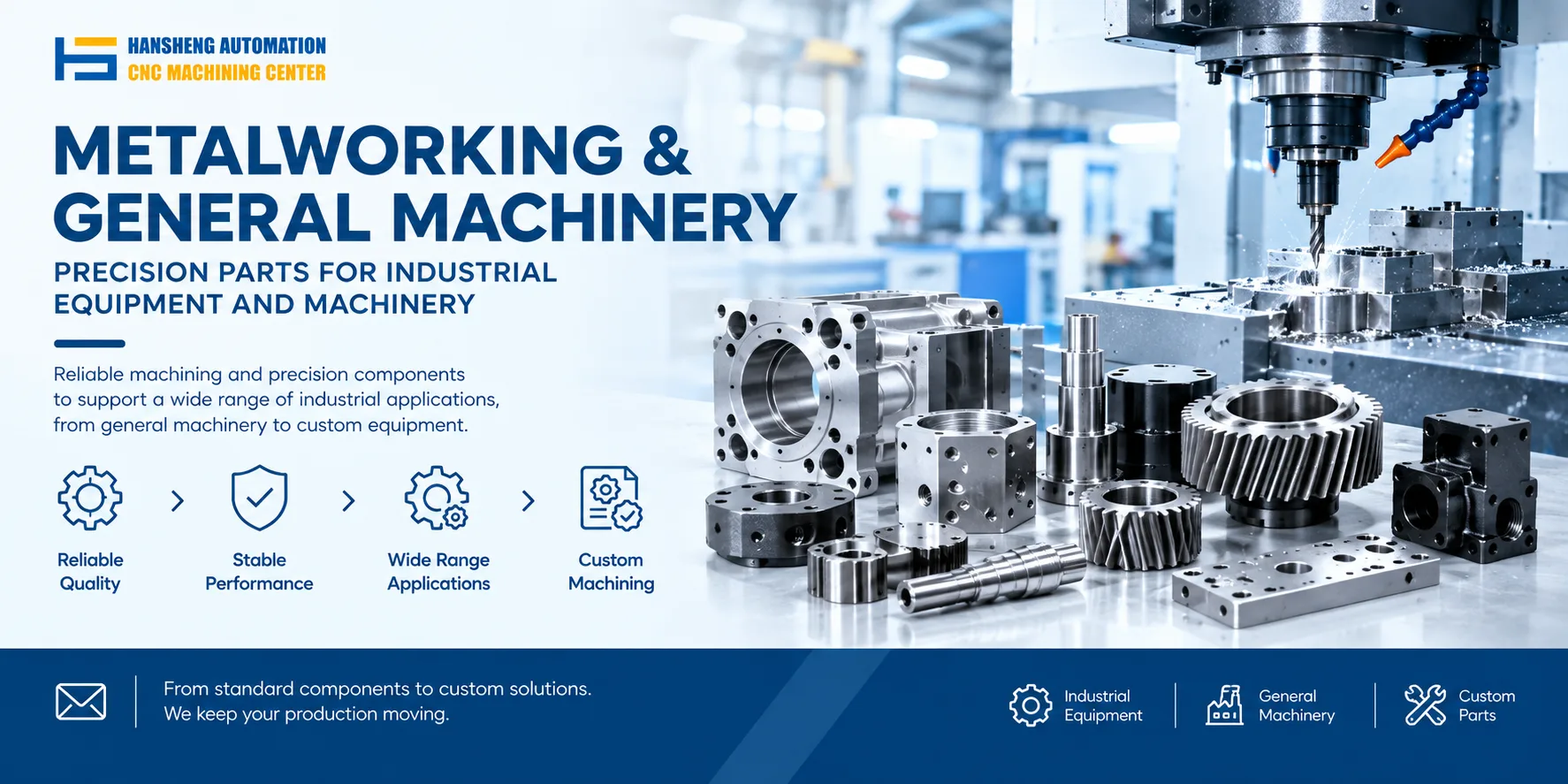
We can machine custom nozzles, fixtures, precision shaft parts, and other parts for cutting equipment from customer drawings, for single-piece or low-volume production.
Our custom precision component machining capability is not limited to cutting equipment. Beyond cutting nozzles, fixtures, and precision shaft parts, we also machine medical device parts, food machinery parts, yacht precision components, RC car structural parts, and non-standard parts for filling machinery and printing machinery. Hansheng Automation works from customer drawings and production quantities to deliver single-piece or low-volume precision machining.