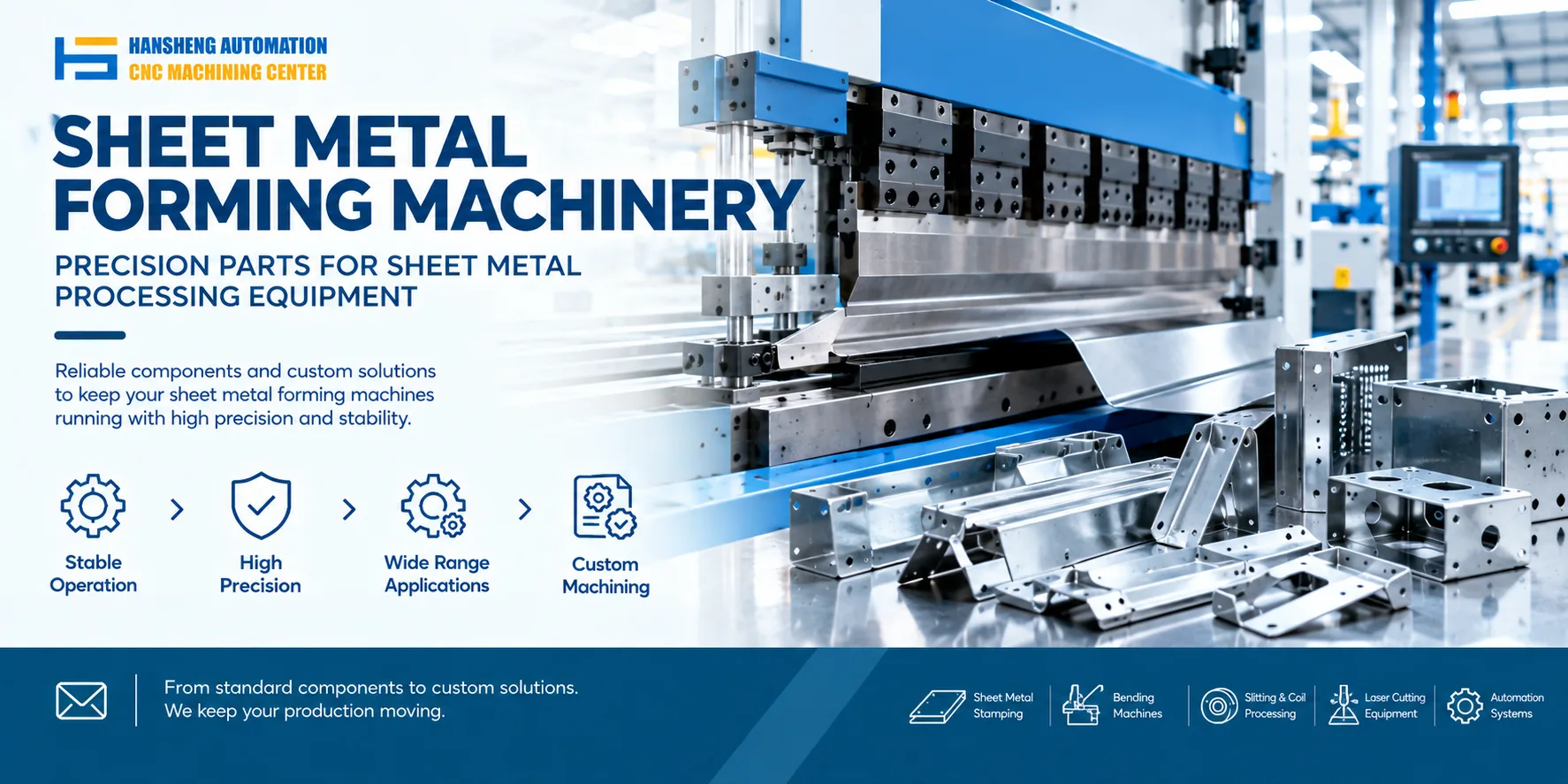
CNC press brakes commonly use a single foot switch to support sheet metal handling, simplify machine operation, and improve workflow efficiency. The operator can initiate the bending cycle with a foot control while keeping both hands available to position and align the workpiece.
Supporting sheet metal handling
During press brake operation, the operator often needs both hands to hold the sheet metal and align it with the tooling and positioning references. A hand operated start button can interrupt this process. A single foot switch allows the operator to initiate the bending cycle and release the control without taking their hands away from the workpiece.
A single pedal also provides a straightforward control method. Compared with multiple foot switches, it reduces the chance of confusing pedal functions and helps prevent operating errors that could damage the workpiece.
Improving operator safety
A foot switch allows the operator to control the bending cycle without using a hand operated control button. This leaves both hands available for workpiece positioning, but the foot switch alone does not ensure that the operator's hands remain outside the hazardous area between the punch and die. Appropriate machine guarding and safe operating procedures remain necessary.
The foot switch can also be fitted with protective features, such as a raised guard or protective cover, to reduce accidental activation. Safety related control systems should be designed in accordance with the applicable machinery safety requirements. The original text references GB/T 16855.1-2018, Safety of machinery, Safety-related parts of control systems, Part 1: General principles for design.
Maintaining an efficient production workflow
Foot control allows operators to trigger the bending cycle without shifting their attention to a hand operated button. They can continue monitoring the bend position and adjusting the workpiece as required, making repetitive bending operations easier to manage.
A single foot switch also occupies little space at the front of the machine. This helps keep the operator's working area clear and avoids interference from a crowded arrangement of manual control buttons, particularly in production environments where sheet metal parts undergo repeated bending operations.
Custom precision machining for industrial equipment
Beyond components used in sheet metal processing equipment, Hansheng Automation provides custom precision machining based on customer drawings. Our work also covers precision components for yacht equipment and RC racing cars, as well as nonstandard parts for tobacco packaging and filling machinery. Each component is manufactured according to the supplied drawing and the specific requirements of the application.