An automatic filling machine can drag material when the fill valve does not close cleanly, the product properties change, the machine settings are wrong, the vacuum or air system fails, or mechanical parts wear. Check these areas in order.
Fill valve sealing problems
Seal ring aging. After long use, the seal ring can wear, harden, or deform. The seal then leaks air. Outside air disturbs the fill flow and forms a string or tail at the nozzle.
Valve core wear. Wear increases the clearance between the valve core and seat. The valve cannot fully cut off the liquid flow when it closes. Leftover product is pulled out as the nozzle lifts and forms a thread.
Product properties
Viscosity change. The product viscosity may fall outside the machine range, usually 50 to 5000 cP. High-viscosity product flows poorly and strings easily. Low-viscosity product drips.
Uneven solids content. For products with particles, a particle diameter over 0.3 mm or a solids content over 15 percent can block the valve opening or cause intermittent flow.
Machine settings
Fill speed mismatch. At high speed, such as over 100 bottles per minute, the nozzle lifts too fast. The product has not fully broken off before the nozzle separates.
Wrong delay time. If the lift delay after valve closing is under 0.2 seconds, there is not enough time for the fluid stream to break.
Air and vacuum system faults
Low vacuum. In a vacuum filling system, vacuum pressure below -0.06 MPa gives too little suction to pull back residual liquid.
Moisture in compressed air. Condensate that is not drained in time makes the pneumatic valve respond slowly and close incompletely.
Mechanical structure problems
Fill head alignment error. If the concentricity error between the fill head and the bottle mouth is over 0.5 mm, the head scrapes the bottle mouth as it lifts and pulls product out.
Loose lift mechanism. Wear on the lift cylinder joint or guide rail makes the travel path non-vertical. This causes side sway.
Targeted solutions
Replace corrosive-resistant seals. Fluororubber or PTFE are common choices.
Adjust fill speed and suck-back parameters to match product viscosity.
Calibrate the vacuum gauge at regular intervals and drain water from the air line.
Check fill head concentricity and lift verticality every shift.
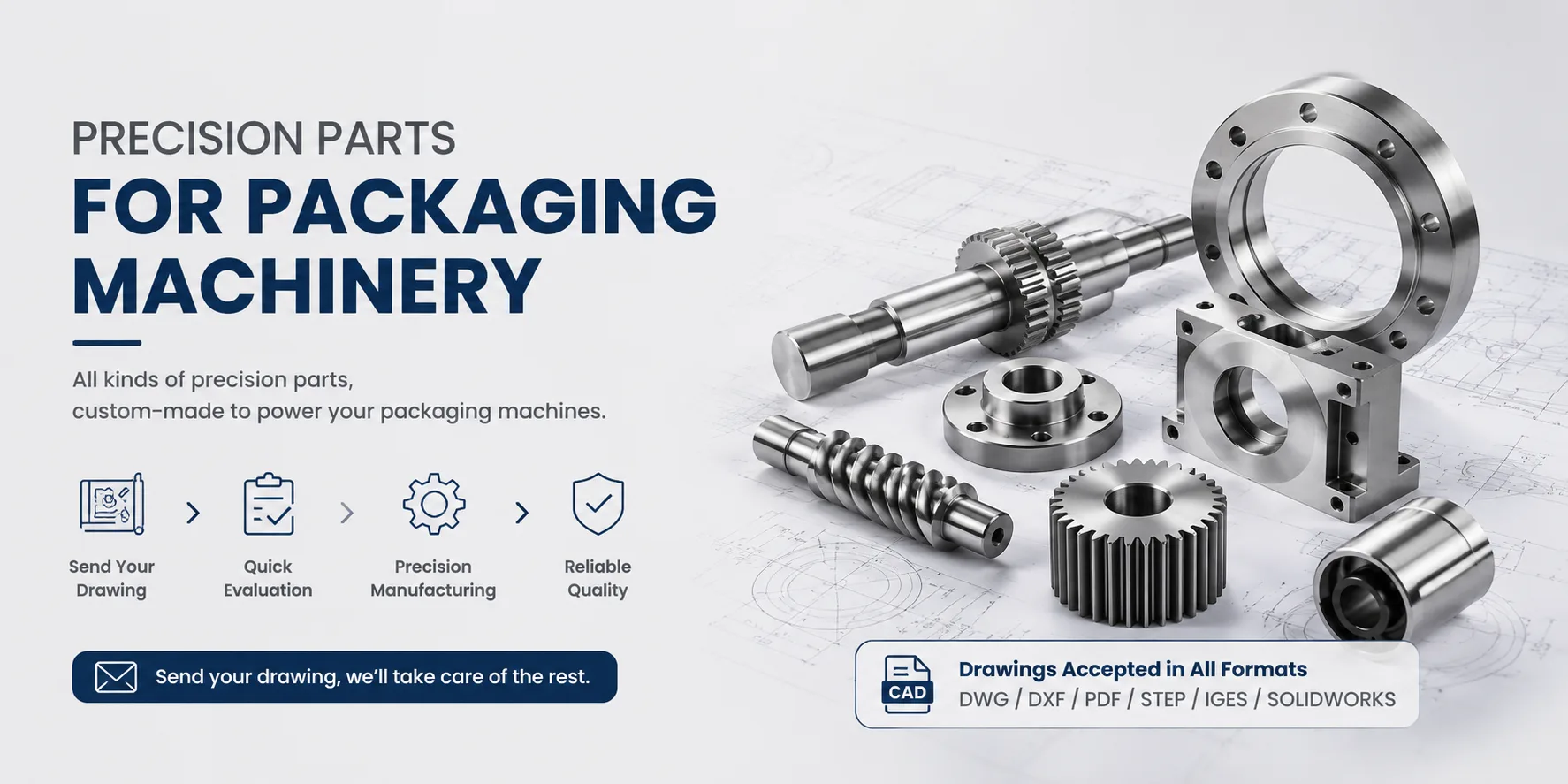
When a fill valve, seal, nozzle, or guide part reaches its wear limit, Hansheng Automation can machine a replacement from customer drawings. We match material, tolerance, and surface treatment to the product and working conditions.
Note: Cut power and release pressure before service. For high-temperature product, cool it below 50 C before work.
Hansheng Automation also machines custom precision parts beyond filling equipment. Our drawing-based service covers tobacco packaging machinery, yacht components, RC car components, and non-standard parts for food, printing, and medical equipment. We handle single pieces and small batches.