Today's mainstream heat melting machines can be grouped by heating method and application into six major categories. They cover plastic welding, packaging bonding, electronic staking, and many other manufacturing processes.
I. Mainstream Heat Melting Machines by Heating Method
(1) Hot Plate Heat Melting Machine
Working principle: An electrically heated metal hot plate contacts the plastic workpiece surface. The contact surface melts, then is held under pressure and cooled to complete the joint.
Applications: Batch welding of large, thick-walled plastic parts, automotive bumpers, and plastic pallets.
Key parameters: Hot plate temperature range 150–350°C; working pressure 0.2–1.0 MPa. Parameters need to be adjusted according to the plastic material.
(2) Ultrasonic Heat Melting Machine
Working principle: A transducer converts 20 kHz / 30 kHz high-frequency electrical energy into mechanical vibration. The vibration is transmitted to the plastic contact surface, generating friction heat and melting.
Applications: Precision welding of electronic components, plastic toys, and medical plastic parts.
Limitations: Only suitable for rigid plastics with similar melting points; not suitable for large workpieces with wall thickness over 5 mm.
(3) Heat Staking Machine
Working principle: A heated copper staking tip melts and deforms a plastic post to fix parts together.
Applications: Clip fixing for home appliance panels and plastic housings; assembly of electronic circuit board components.
Subtypes: Single-point and multi-head types. Machine models can be customized according to the number of staking points.
(4) Hot Air Heat Melting Machine
Working principle: High-temperature hot air melts hot melt adhesive film or adhesive pellets to bond substrates.
Applications: Bonding of non-woven fabrics, cloth, and leather; edge sealing of gift boxes and cartons.
Compatible consumables: EVA hot melt adhesive film, PO hot melt adhesive pellets, etc.
(5) Impulse Heat Melting Machine
Working principle: Pulse current heats a conductive die to quickly achieve local heat melting and joining.
Applications: Metal tab welding and rapid heat melting of small precision plastic parts.
Typical application: Tab connection in new energy power battery PACKs.
(6) High-Frequency Induction Heat Melting Machine
Working principle: A high-frequency induction coil generates eddy currents, rapidly heating metal inserts to melt plastic.
Applications: Assembly of plastic workpieces with embedded metal parts, such as plastic-metal combinations.
II. Specialized Heat Melting Machines by Application
(1) Automotive Heat Melting Machines
Includes heat melting machines for automotive door panels, lights, and interior parts, supporting multi-station linked production.
Most integrate closed-loop pressure and temperature control systems to meet automotive-grade welding accuracy requirements.
(2) Electronics Heat Melting Machines
Micro heat melting machines are used for plastic staking of mobile phone keys and SIM card trays. Positioning accuracy can reach ±0.02 mm.
Some integrate vision positioning systems for precise welding of irregular workpieces.
(3) New Energy Heat Melting Machines
Power battery tab heat melting welders use pulse heating, balancing welding strength and conductivity.
They adapt to heat melting connection of aluminum, copper, and other metal tabs, and suit high-current mass production lines.
(4) Packaging Heat Melting Machines
High-speed carton sealing and gift box gluing heat melting machines use continuous hot melt adhesive coating.
They support precise hot melt adhesive temperature control to avoid edge sealing failure.
III. Safe Operation Boundaries
All heat melting machines involve high temperature and high pressure risks. They must be operated by professionally trained personnel.
Before startup, check equipment grounding and the sealing of the heating system to avoid electric shock and burns.
When adjusting parameters or maintaining the equipment, power must be cut off and the machine must cool to room temperature.
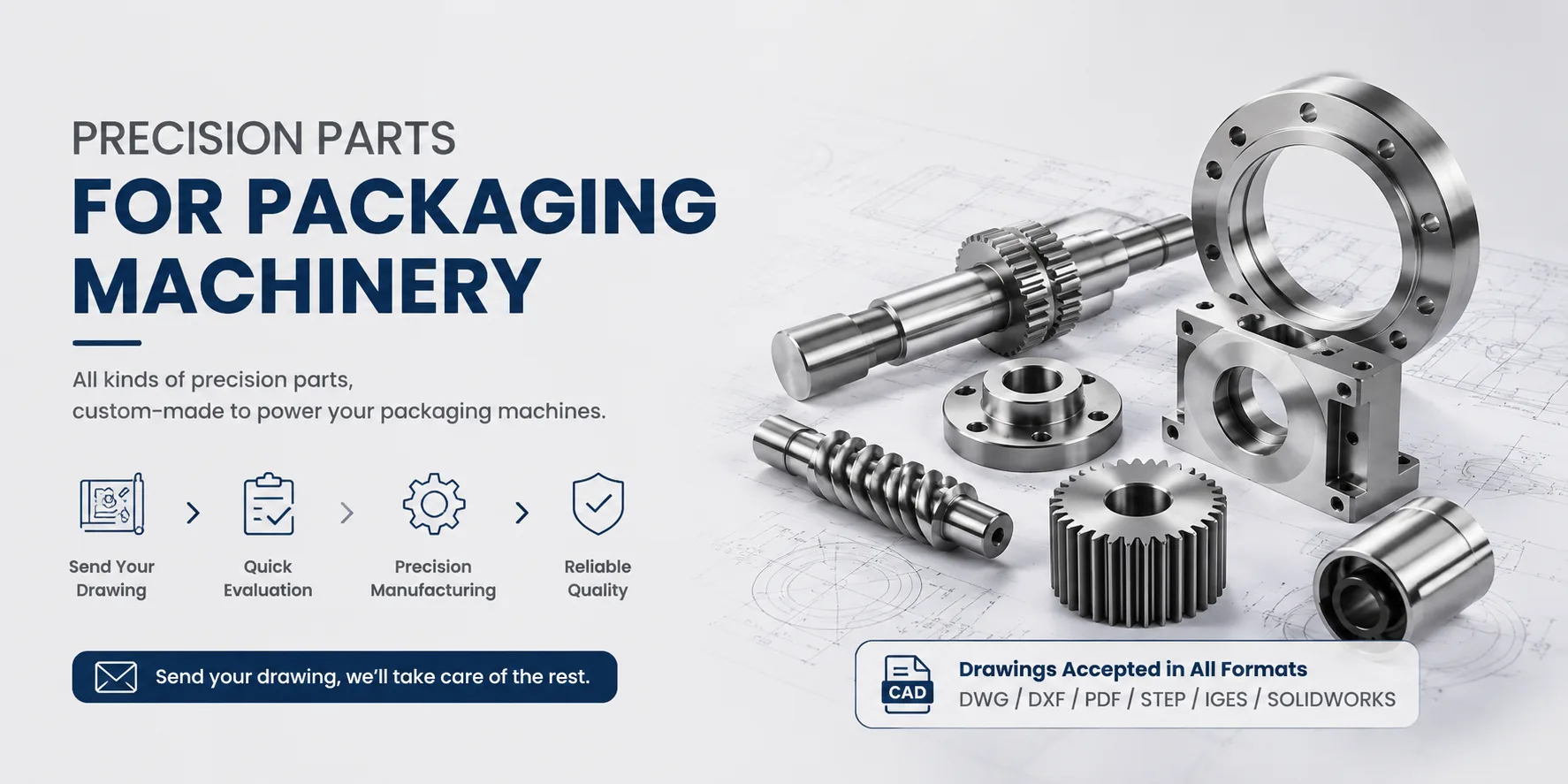
For manufacturers building or maintaining these machines, Hansheng Automation can machine non-standard parts from customer drawings-such as hot plates, staking tips, locating fixtures, heating molds, and induction coil brackets-in single pieces or small batches.