Putty spraying mainly uses an airless sprayer. Choose auxiliary equipment based on project scale and site. For small, scattered jobs, a pneumatic spray gun set or a simple electric sprayer can also work.
Main specialized equipment types
(1) Airless sprayer
This is the first choice for putty spraying. It pressurizes putty and atomizes it through a nozzle. The spray is even, and coating thickness is controllable. It handles paste and high-build putty. Pneumatic spraying mixes air into the coating and can cause bubbles. Airless spraying does not have this problem. Choose a dedicated nozzle with a diameter of 1.2 to 2.0 mm based on putty fineness. For high-build putty, use a larger nozzle to improve efficiency. There are two power types:
Electric: for indoor closed work sites, no exhaust emissions. Working pressure is mostly 15 to 25 MPa, flow 5 to 12 L/min. Use a small handheld spray gun or a wall spray gun.
Diesel: for large outdoor sites, strong endurance. Working pressure can reach 30 MPa, flow 15 to 25 L/min. Suits high-flow batch spraying.
(2) Pneumatic sprayer
It needs an air compressor. Airflow carries putty out. It suits fine spraying of thin putty. Equipment cost is lower, but it tends to clog and give uneven thickness. It only suits small scattered jobs under 300 m² per day.
(3) Automatic spraying line
For standardized batch work, such as precast component plants and large factory wall coating. It integrates conveying, feeding, spraying, and drying. It gives high spraying accuracy and far higher efficiency than manual work. It suits large-scale production.
Required auxiliary equipment
Putty mixing tank: vertical or horizontal. It keeps mixing during work to prevent settling and separation. Speed is 30 to 60 rpm. It fits different feed requirements.
Inlet filter: 100 to 200 mesh stainless steel filter screen. Install it at the inlet of the feed line. It filters putty lumps and impurities and prevents nozzle clogging.
Spray gun cleaning kit: after work, flush the line and spray gun with dedicated thinner or matching cleaning fluid. This prevents cured putty from clogging. A dedicated cleaning machine can improve efficiency.
Air compressor (only for pneumatic sprayers): displacement ≥0.6 m³/min, output pressure stable at 0.6 to 0.8 MPa, to keep airflow stable.
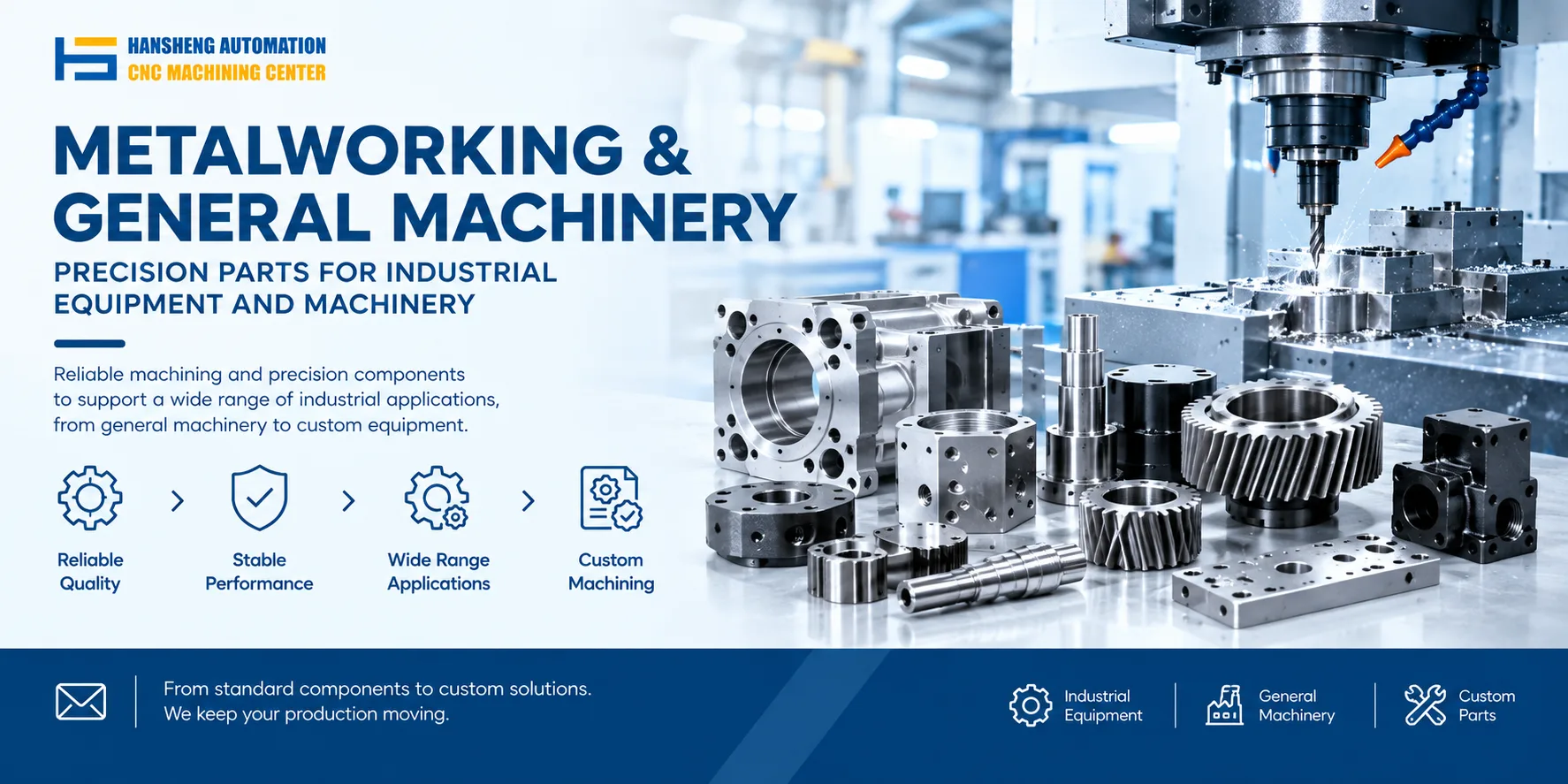
We can machine custom nozzles, valve seats, filter screens, and other precision parts from customer drawings, for single-piece or low-volume production.
Selection and safe operation limits
Match putty type: thick leveling putty with thickness ≥2 mm must use an airless sprayer. Thin decorative putty can use a pneumatic sprayer.
Match work site: for indoor closed spaces, prefer an electric airless sprayer to avoid exhaust buildup. For open outdoor sites, a diesel model is an option.
Match job scale: for under 500 m² per day, choose a small handheld airless sprayer. For over 2,000 m² per day, choose a large truck-mounted sprayer or an automatic spraying line.
Safe operation: during airless spraying, never point the nozzle at people or animals. When pressure is above 20 MPa, wear a face shield and cut-resistant gloves. The equipment must be operated by trained personnel. Do not adjust pressure parameters against the rules.
Our custom precision component machining capability is not limited to putty spraying equipment. Beyond nozzles, valve seats, filter screens, and mixing shafts, we also machine yacht precision components, RC car structural parts, medical device parts, and non-standard parts for tobacco packaging machinery, filling machinery, and printing machinery. Hansheng Automation works from customer drawings and production quantities to deliver single-piece or low-volume precision machining.