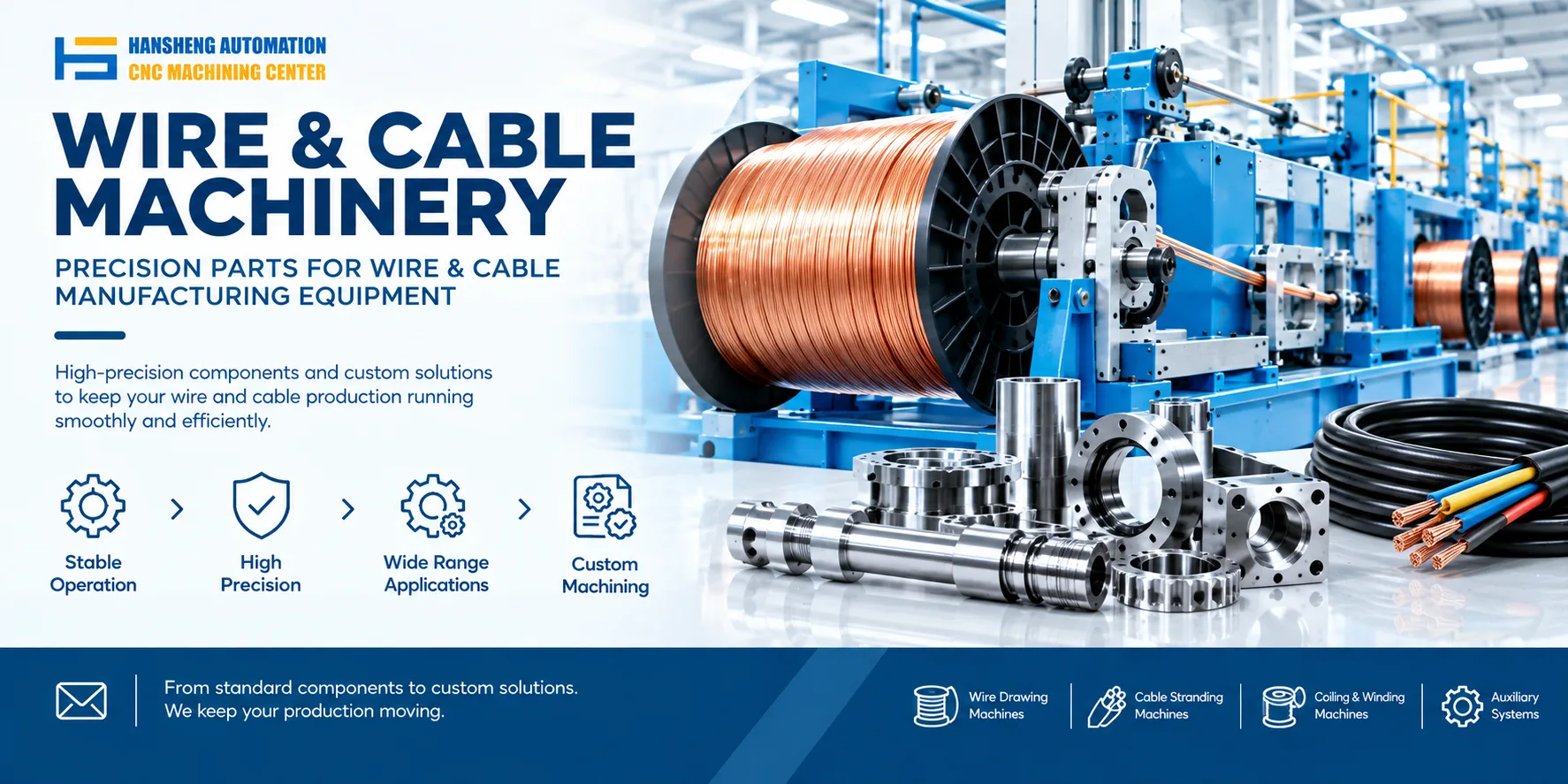
Copper wire drawing runs continuously. Three production points need attention: outer diameter deviation, surface oxidation, and frequent wire breakage.
Precise control of outer diameter deviation
Because copper wire drawing runs without interruption, drawing speed can gradually fall out of sync with annealing. The pulling speed rises and falls, so wire diameter changes in intervals and irregular patterns.
Causes:
Unstable tension on the storage wheel. A workshop may use air pressure in many places, so the air pump pressure for the drawing machine rises and falls. Storage tension is then not constant. Take-up speed stays fixed, so pulling force on the wire is not constant either. Single wire outer diameter deviation is hard to control precisely.
Vibration of the copper wire on the annealing wheel. The wire anneals while tension goes slack and tight. Annealing current density rises and falls. At high speed, copper wire strength is relatively low, so sparking can occur on the annealing wheel. Sparks make the wire diameter uneven.
Wear from long use of the main motor gearbox. This can make the fixed-speed wheel speed, pulling speed, and take-up speed mismatch, which draws the single wire thinner.
Fixes:
Lubricate the storage unit well. This avoids reverse friction on the wire at high speed that can draw it thinner.
Set wire tension properly so the drawing path stays tight against the annealing wheel.
Keep the annealing wheel steel ring in good condition. Surface defects on the ring can make annealing current unstable.
Reset the die setup for the actual machine. Adjust the diameter of the adjustable V-belt pulley on the annealing wheel drive shaft according to the drawing principle. Use this relation:
annealing wheel speed / fixed-speed wheel speed = forward slip coefficient × fixed-speed wheel diameter / annealing wheel diameter
The fixed-speed wheel diameter and annealing wheel diameter are known. Their speeds can also be measured. From this, the forward slip coefficient can be found. Use the slip coefficient to reset the die setup for the machine. The dies set this way can meet requirements.
Surface oxidation on drawn single wire
Causes:
Cooling water in the sealing chamber is too hot, above 40°C. The sealing chamber cannot cool the single wire as required. After annealing, wire temperature stays high. At high temperature, it meets oxygen in the air and oxidizes.
Saponified solution content in the sealing chamber cooling liquid is too low. Friction between the single wire and each guide wheel increases. Wire temperature rises again and the surface oxidizes.
Cooling water pressure and flow in the sealing chamber are too low. The single wire cannot be cooled well enough.
Fixes:
Check the cooling circulating water equipment often. Confirm it runs normally and cooling works.
Add material at set intervals to raise saponified solution concentration. This changes the saponified solution content in the cooling water and keeps the single wire running normally on the guide wheels.
Check circulating water pressure regularly. During production, change the cooling water pressure and flow into the sealing chamber as water pressure changes.
Frequent wire breakage
Causes:
Drawing dies wear normally during continuous production, so the sizing zone becomes larger.
Rod quality problems. Rod defects appear irregularly during production. The single wire is then pulled apart by unpredictable tension during drawing deformation. This happens less when the rod quality is good.
Annealing current is not constant. Current suddenly runs high, and the single wire is pulled apart or fused during annealing.
Fixes:
Choose different die setup plans for different rods. Find what works through production. For example, when drawing 2.53 mm single wire from copper rod produced by the upcast method, 8 drawing dies are needed. For the same wire diameter from rolled rod, add one bridge die in the die setup as required.
Before production, inspect the copper rod fully. Find quality defects in time and respond based on the situation. Lower drawing speed or remove the defective section.
Watch annealing current during production. Pay special attention to current changes right after startup. Adjust annealing current as line speed changes so current rises slowly with line speed. This keeps the machine running normally.
When drawing dies or guide wheels reach their wear limit, Hansheng Automation can machine replacement parts from customer drawings in single pieces or small batches.
Our precision custom machining is not limited to copper wire drawing equipment. Hansheng Automation also produces non-standard parts for filling machinery, tobacco packaging machinery, printing equipment, medical device production equipment, food processing lines, yacht hardware, and RC car components. We work from customer drawings for single pieces or small batches. The focus stays on precision parts machining and delivery, which keeps maintenance and replacement flexible across different industries.