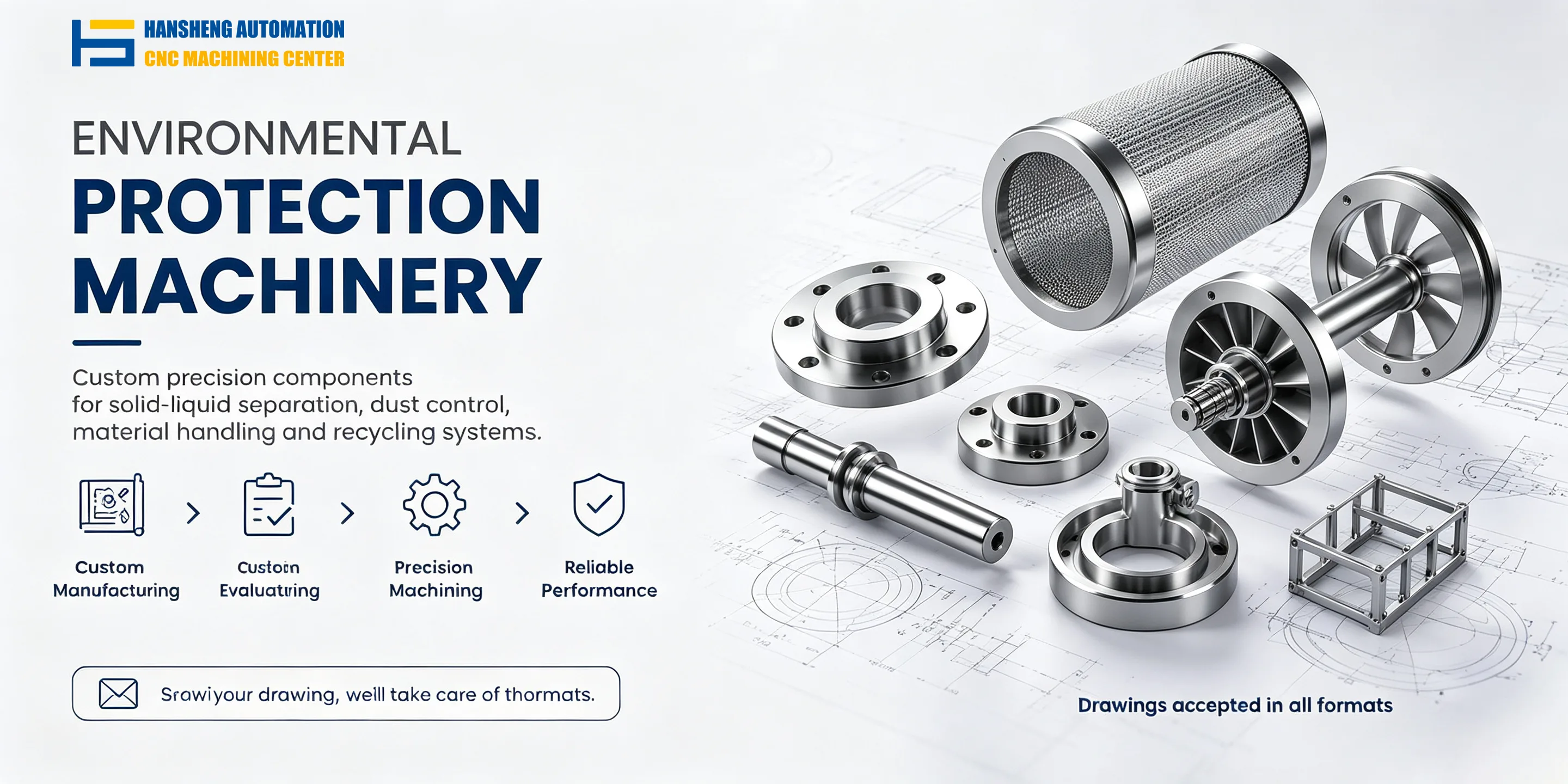
Waste gas treatment equipment requires proper installation, operation, and maintenance to maintain stable treatment performance and protect personnel and equipment. Key considerations include exhaust gas collection, safety protection and shutdown measures, equipment installation, and the preparation and replacement of scrubbing solutions.
The specific requirements depend on the exhaust composition, pollutant concentration, equipment type, and operating conditions.
Exhaust Gas Collection and Treatment
Reducing unnecessary exhaust airflow and controlling VOC concentrations are important considerations when designing and operating a waste gas treatment system.
Poor equipment sealing is a common source of air infiltration. When pipelines, connections, or process enclosures are not properly sealed, additional air can enter the system. Operators may then increase the exhaust fan capacity to maintain negative pressure and control odors in the workshop.
However, excessive extraction can draw large volumes of relatively clean air into the system. This increases the total airflow, dilutes the VOC concentration, and raises the energy demand of the exhaust fan and downstream treatment equipment. Depending on the process conditions, increased airflow can also affect solvent evaporation.
The preferred approach is to improve the sealing of process equipment and exhaust ductwork while maintaining adequate local exhaust ventilation. Hoods and enclosures should capture pollutants as close as possible to their points of generation.
The exhaust system should be sized according to the actual pollutant generation rate and required capture airflow. Reducing airflow should not compromise workplace ventilation or allow untreated pollutants to escape into the working environment.
Safety Protection and Automatic Shutdown Measures
Waste gas treatment systems may handle flammable VOCs, toxic gases, corrosive substances, or mixtures with other hazardous components. Appropriate monitoring, protection, and shutdown measures are therefore necessary.
One important safety consideration is the sudden increase of VOC concentration caused by process changes, abnormal operating conditions, or incorrect operation.
When the VOC concentration approaches the applicable lower explosive limit (LEL), the system must activate the specified alarms and protective measures. The equipment should be designed with suitable concentration monitoring, automatic interlocks, and emergency shutdown functions to prevent the exhaust from reaching an unsafe concentration.
The protection system may include:
VOC concentration monitoring and high-concentration alarms.
Automatic shutdown or isolation of the exhaust source when specified limits are reached.
Interlocks for abnormal fan operation, excessive temperature, or other equipment faults.
Suitable electrical equipment and grounding arrangements for areas where flammable gases may be present.
The alarm and shutdown setpoints should be established according to the applicable safety codes and equipment design. They must remain below hazardous operating conditions rather than relying on the system to respond only after the mixture reaches its LEL.
For systems using thermal oxidation, adsorption, or other processes involving flammable VOCs, additional precautions may be required according to the treatment technology.
Equipment Installation and Location
Wet scrubbers and other waste gas treatment units are often installed outdoors when the plant layout and equipment design permit. Their installation location should allow sufficient access for operation, inspection, and maintenance.
When installing the equipment outdoors, several points require attention:
Weather protection: Water pumps, fan motors, electrical connections, and control components should have suitable weather protection. Rain covers and appropriate protective enclosures help prevent moisture from entering electrical equipment.
Fan protection: Fiberglass-reinforced plastic (FRP) and plastic fans require suitable protective guards around exposed rotating components and openings. These guards help prevent personnel from contacting moving parts and reduce the risk of foreign objects entering the fan and damaging the impeller.
Foundation and installation: The equipment should be installed on a stable foundation with suitable support and anchoring. Pumps, fans, and connecting pipelines should be arranged to allow routine inspection and maintenance.
Exhaust discharge: The outlet location should comply with applicable environmental and safety requirements. Exhaust should be discharged in a manner that avoids re-entry into fresh-air intakes and nearby occupied areas.
For indoor installations, ventilation, equipment access, drainage, and fire protection requirements should also be considered.
Preparation and Replacement of Scrubbing Solutions
The composition and concentration of the scrubbing solution should be selected according to the pollutants present in the exhaust gas.
Different waste gas streams require different absorbents. For example, alkaline solutions may be used to neutralize acidic gases, while acidic solutions may be suitable for absorbing certain alkaline compounds.
Before starting the equipment, operators should check the condition of the liquid circulation system and confirm that the absorbent has been prepared according to the process requirements.
The main inspection points include:
Pipelines and valves: Check that the circulation pipelines, valves, and connections are complete and properly installed.
Absorbent preparation: Confirm that the selected chemicals and solution concentration match the exhaust composition and equipment specifications.
Liquid circulation: Check the operation of pumps, spray nozzles, and liquid distribution components to ensure adequate contact between the gas and absorbent.
Solution condition: Monitor the solution pH, concentration, and pollutant loading where applicable. Replenish or replace the scrubbing solution when it no longer meets the required operating conditions.
Waste liquid handling: Collect and treat spent scrubbing liquid according to its chemical composition and applicable disposal requirements.
The scrubbing solution should not be selected or replaced solely according to a fixed schedule. Its condition and replacement requirements depend on pollutant loading, chemical consumption, and operating time.
Regular monitoring of liquid flow, pressure differential, and solution pH helps identify problems such as insufficient circulation, reagent depletion, and nozzle blockage.
Typical Applications of Waste Gas Treatment Equipment
Waste gas treatment systems are used in a wide range of industries to collect and control VOCs, odorous compounds, particulate matter, and other air pollutants.
Wastewater treatment: Odorous gas is generated during pretreatment, biological treatment, sludge processing, and other wastewater treatment operations. Common pollutants include ammonia, hydrogen sulfide, and other sulfur-containing compounds.
Solid waste management: Waste collection, sorting, composting, landfill operations, incineration, and landfill leachate treatment can generate odorous exhaust requiring collection and treatment.
Coating and painting: Paint application and drying processes can release solvent vapors, paint mist, and other VOC-containing emissions.
Chemical and materials manufacturing: Industries such as coking, pharmaceutical production, rubber and plastic processing, dyeing, leather processing, organic dye manufacturing, synthetic material production, pesticide manufacturing, and fermentation may generate process exhaust requiring treatment.
Petrochemical and printing industries: Production and processing operations may release solvent vapors, organic compounds, and other pollutants.
Other industrial applications: Shoe manufacturing, papermaking, livestock farming, feed processing, and manure treatment can also generate odorous or VOC-containing exhaust.
The treatment process should be selected according to the actual pollutant composition, airflow, concentration, and applicable emission requirements.
Custom Machining for Industrial Equipment Components
In addition to components used in environmental protection and waste gas treatment equipment, Hansheng Automation provides drawing-based precision machining for non-standard industrial parts.
Our machining services also cover components for tobacco and packaging machinery, filling equipment, yacht equipment, and remote-controlled racing cars. We support single-piece and small-batch manufacturing according to customer drawings, dimensions, and assembly requirements.