There is no single sensitivity value for an all-metal detector. It depends on the application and the detection target.
Security screening
A walk-through detector must avoid interference from keys, belt buckles, and other small metal items carried by people. A common method is to take one typical small metal object, such as a key, as a sample and set it as the limit at which the gate does not alarm. First raise sensitivity so the sample triggers an alarm when it passes. Then lower sensitivity step by step until the sample passes with no alarm. Sensitivity for each zone can be set independently from 0 to 99. For an overall adjustment, change the value for zone 7. On some units, the alarm level is related to metal size. Level 7-01 is sensitive to very small metal and can cause false alarms. Start from level 7-03 or higher.
General metal detection
During initial setup, keep the search coil away from metal and aluminum foil interference. Turn on the power. Turn the fine sensitivity knob to the halfway position. Adjust the coarse potentiometer until the speaker tone stops. Then fine-tune the fine adjustment knob until the tone just stops. At this point sensitivity is at its highest state.
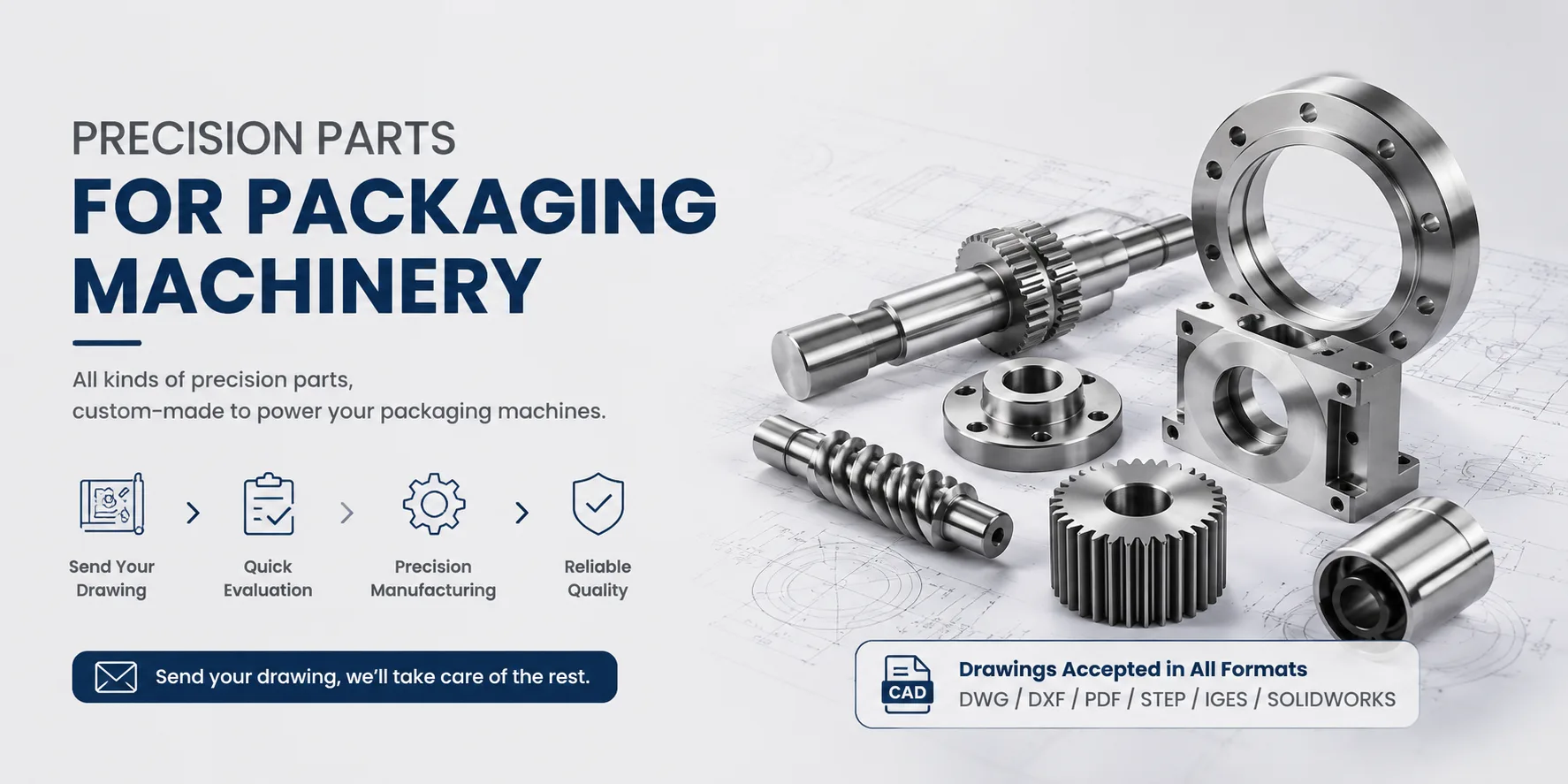
If probe brackets, adjustment seats, conveyor frames, or guards need to be machined to drawing, we can handle single-piece or small-batch custom work from customer drawings. Hansheng Automation supports material choices such as 304/316 stainless steel and aluminum alloy, with tolerances and surface treatment controlled by the drawing. We focus on precision machined parts, not complete machines.
Beyond all-metal detector parts, our drawing-based custom machining also covers yacht hardware, RC car structural parts, tobacco packaging machinery parts, filling machinery parts, medical device parts, and printing equipment parts. We machine single pieces and small batches to drawing for equipment builders and production lines.