Polishing machines, grinding machines, and sanders differ clearly in working principle, applications, and equipment types.
Working principle and results
A polishing machine mainly uses a polishing wheel with polishing wax to bring metal and other surfaces to a smooth or mirror finish. A motor drives a sponge, wool, or abrasive polishing disc at high speed. The disc and polishing compound work together and rub against the surface to remove paint contamination, oxide layers, and light scratches. A polishing machine can give a metal surface a mirror finish. It is one of the surface treatment machines that can achieve the highest gloss.
A grinding machine, also called a vibratory grinding machine, uses friction between the workpiece and abrasives such as stones to reduce surface burrs and sharp edges. It usually has a barrel design. It suits surface polishing, chamfering, deburring, grinding, and gloss polishing of small and medium workpieces. After processing, it does not damage the original shape or dimensional accuracy. It can relieve internal stress and improve surface finish and accuracy.
A sander uses friction between abrasive and the work surface to make the surface flat. By power type, it includes pneumatic sanders and electric sanders. By machine scale, it includes bench sanders and portable sanders. It suits surface grinding of iron plate, wood, plastic, and other materials. It is also used for fine polishing, deburring, rust removal, and paint removal on large surfaces such as ships and automobiles.
Applications
A polishing machine is mainly used for fine machining of metal surfaces, such as hardware products, flat products, round pipes, and square pipes, to achieve a mirror finish.
A grinding machine is mainly used for initial surface treatment of small and medium workpieces, such as beads, small die castings, and screw caps, for surface polishing and burr removal.
A sander has a wide application range. It covers surface grinding of iron plate, wood, plastic, and other materials. It is also used for fine polishing, deburring, rust removal, and paint removal on large surfaces such as ships and automobiles.
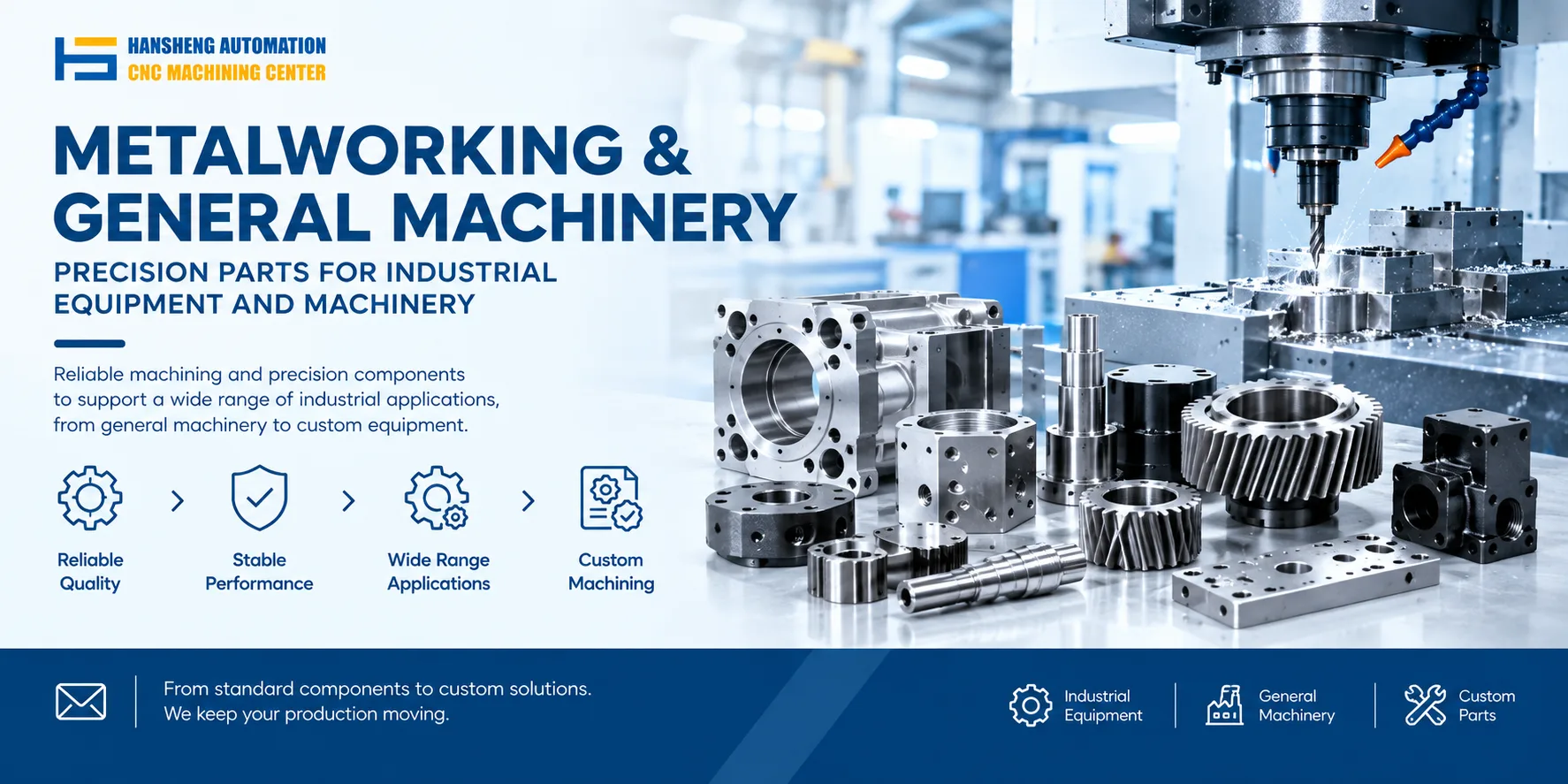
We can machine custom shafts, fixtures, polishing wheel seats, and other precision parts for polishing machines, grinding machines, and sanders from customer drawings, for single-piece or low-volume production.
Equipment types
Polishing machines come in many types, mainly manual and automatic. Manual polishing machines are relatively simple, mainly consisting of a motor and a single spindle with a polishing wheel. Automatic polishing machines focus more on efficiency. Different products require different machines, so there are many types.
Grinding machines usually have a barrel design and use vibration to create friction between the workpiece and abrasive.
Sanders are divided by power into pneumatic and electric types, and by machine scale into bench and portable types, to suit different work sizes and shapes.
In summary, a polishing machine is mainly used for fine machining of metal surfaces to achieve a mirror finish. A grinding machine is mainly used for initial surface treatment of small and medium workpieces. A sander is widely used for surface grinding and fine polishing of various materials.
Our custom precision component machining capability is not limited to polishing machines, grinding machines, and sanders. Beyond polishing wheel shafts, grinding barrels, eccentric blocks, and sander shafts, we also machine yacht precision components, RC car structural parts, medical device parts, and non-standard parts for food machinery, filling machinery, and printing machinery. Hansheng Automation works from customer drawings and production quantities to deliver single-piece or low-volume precision machining.