A double-side grinding machine in optical module production is core processing equipment that ensures the performance of optical components. It improves production accuracy and operating stability in several ways.
Improve surface flatness
Optical components such as fiber optic connectors and optical waveguide chips in optical modules have very high surface flatness requirements. A double-side grinding machine can grind both surfaces at the same time. It removes tiny bumps and defects, preventing light scattering or reflection from uneven surfaces during signal transmission and ensuring transmission quality.
Precisely control component thickness
The thickness of optical module parts directly affects light propagation characteristics. A double-side grinding machine can grind components into the required design size range, ensuring stable performance and product consistency. We can machine custom grinding discs, carriers, correction wheels, and other precision parts for double-side grinding machines from customer drawings, for single-piece or low-volume production.
Optimize surface roughness
Good surface roughness is key to optical performance. Double-side grinding reduces the surface roughness of optical components, cuts light scattering loss, and improves optical signal transmission efficiency.
Ensure surface parallelism
In optical module production, the two surfaces of optical components need very high parallelism to ensure accurate optical signal transmission. A double-side grinding machine stably maintains parallelism between the two surfaces during grinding, avoiding signal deviation and transmission loss caused by poor parallelism.
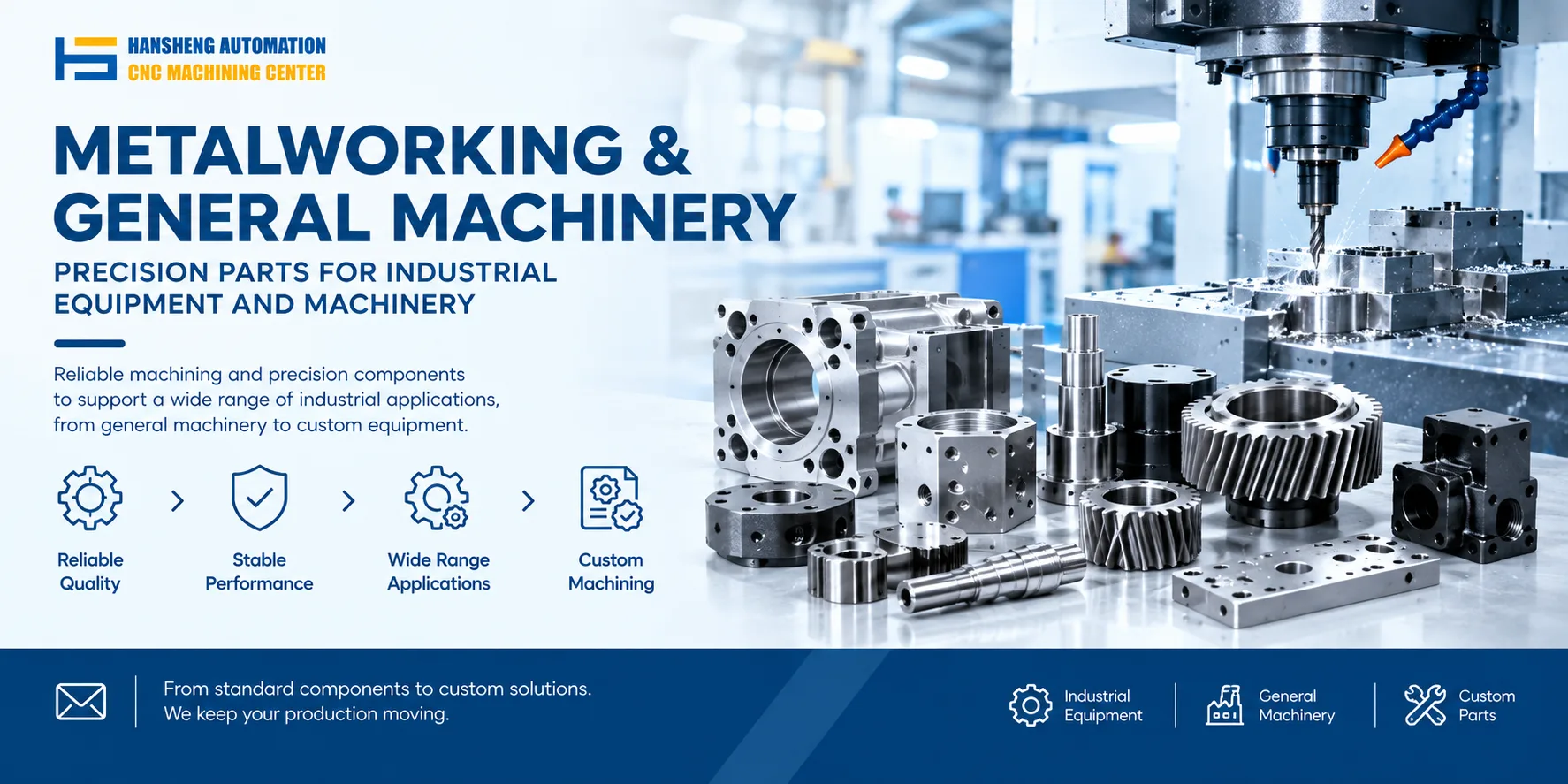
Our custom precision component machining capability is not limited to double-side grinding machines. Beyond grinding discs, carriers, and correction wheels, we also machine yacht precision components, RC car structural parts, medical device parts, and non-standard parts for tobacco packaging machinery, filling machinery, and printing machinery. Hansheng Automation works from customer drawings and production quantities to deliver single-piece or low-volume precision machining.