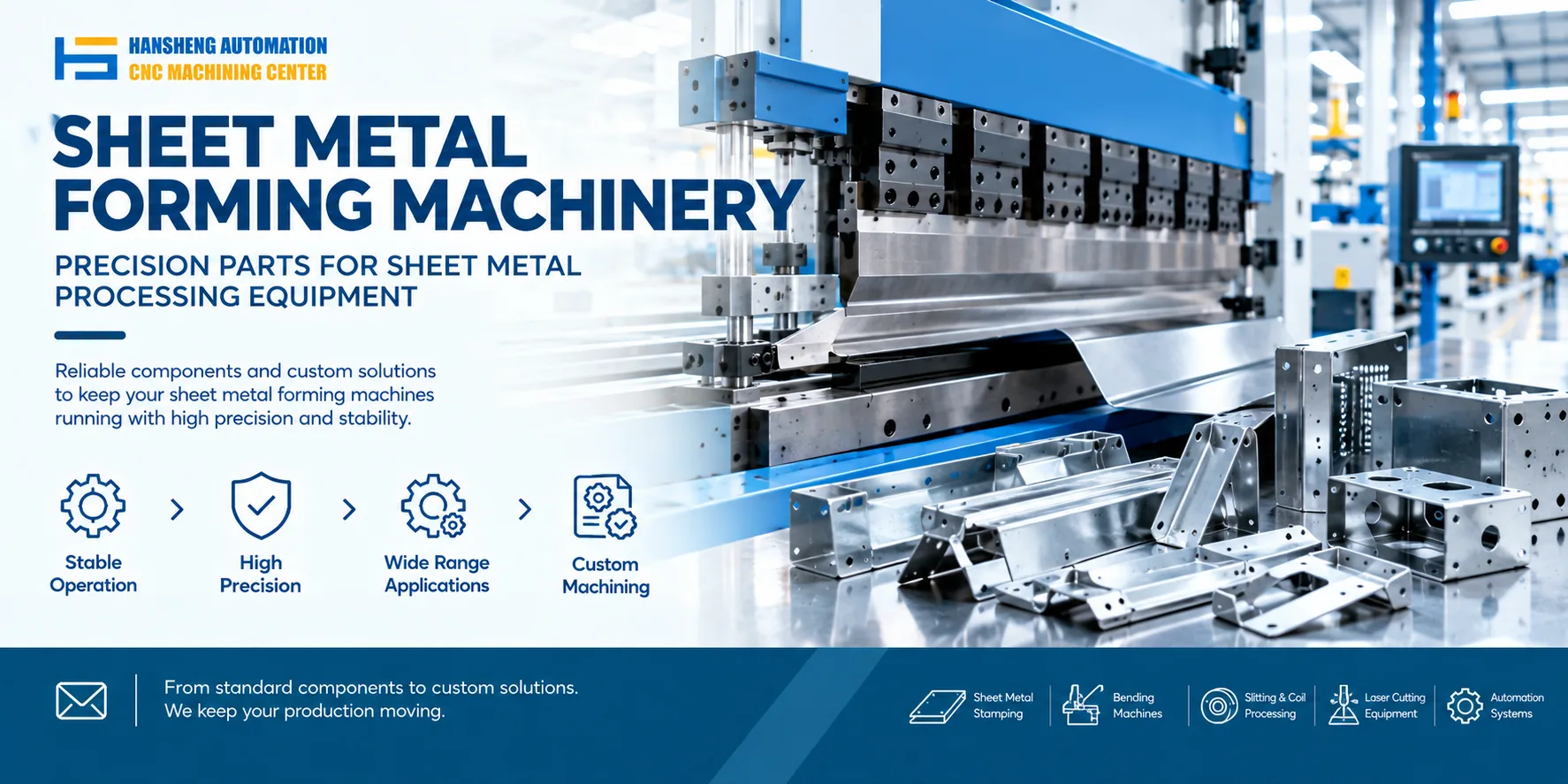
On a CNC press brake, the X and Y axes control different machine movements. The Y axis typically controls the vertical movement of the ram, while the X axis controls the forward and backward movement of the backgauge. These movements determine the bending depth and workpiece positioning.
What does the Y axis control?
The Y axis controls the vertical movement of the ram and upper punch during bending. On many CNC press brakes, this function is divided into Y1 and Y2 axes, which control the left and right sides of the ram.
The CNC system coordinates these movements to control the ram position during the bending cycle. The position of the upper punch affects how deeply it enters the lower die, which influences the resulting bend angle.
Accurate Y-axis positioning is important for consistent bending results. The required settings depend on the material thickness, material properties, tooling, and target bend angle.
What does the X axis control?
The X axis controls the forward and backward movement of the backgauge. The backgauge provides a reference point against which the operator positions the sheet metal before bending.
Adjusting the X-axis position changes the distance between the backgauge fingers and the tooling. This determines how far the sheet extends into the machine and helps control the flange dimension.
Correct X-axis positioning is important when producing multiple parts with consistent dimensions. Incorrect settings can cause dimensional deviations even when the ram completes its bending stroke correctly.
How do the X and Y axes work together?
The X and Y axes perform different functions during bending. The X axis positions the workpiece, while the Y axis controls the ram movement that forms the bend.
For example, when producing a sheet metal part with a specified flange length and bend angle, the backgauge must position the sheet correctly along the X axis. The Y axis then controls the ram movement required to form the bend.
Both axes must be configured according to the workpiece drawing, material properties, and tooling setup. Other controlled axes may be available for additional backgauge movements or machine deflection compensation, depending on the press brake configuration.
Custom precision machining for industrial equipment
Beyond sheet metal processing applications, Hansheng Automation provides custom precision machining based on customer drawings. Our machining services cover components for yacht equipment and RC racing cars, as well as nonstandard parts for tobacco packaging, filling, and printing machinery. Each component is manufactured according to the supplied drawings and the specific requirements of the application.