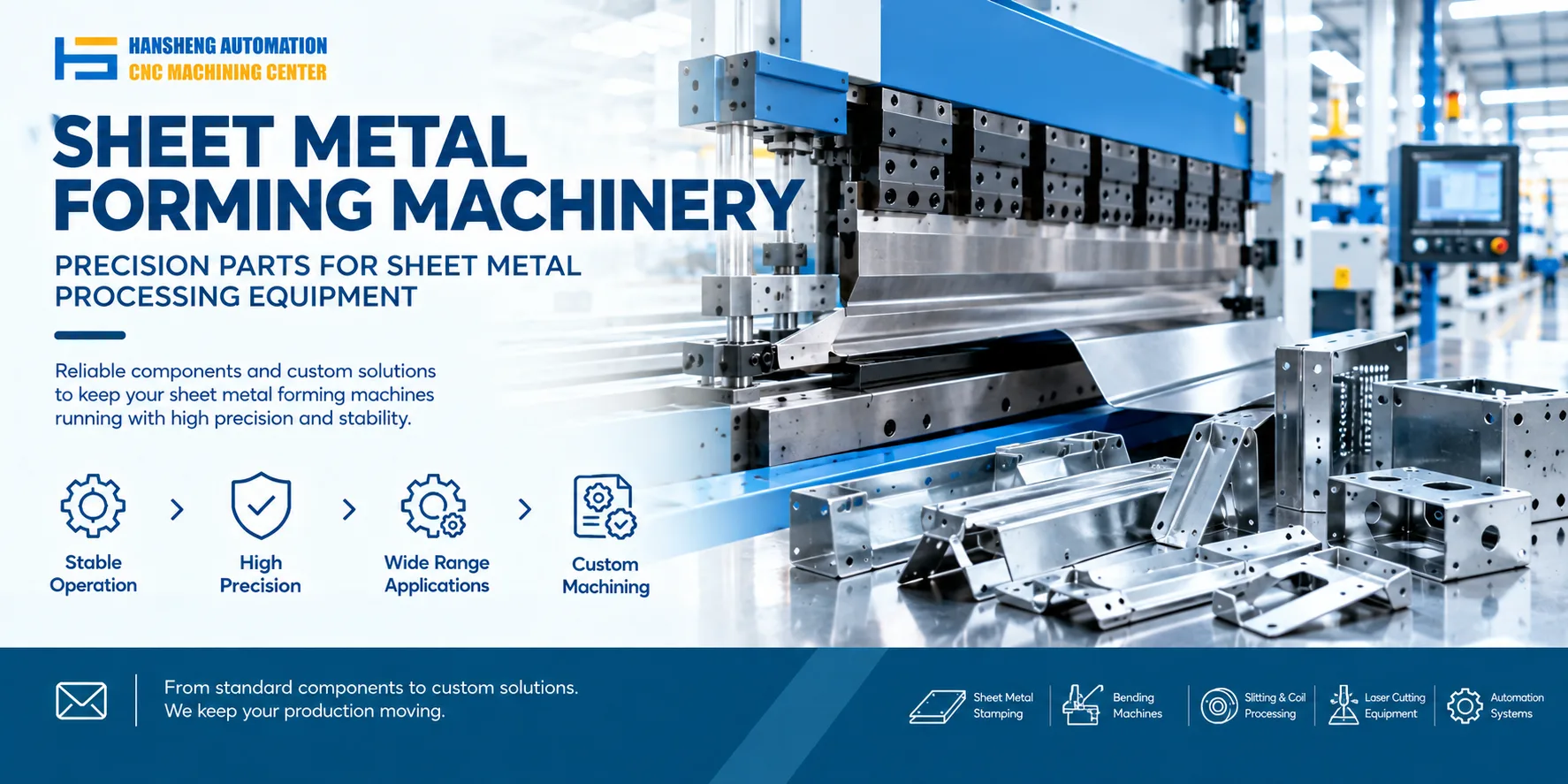
The most suitable tool for cutting corrugated metal roofing sheets depends on the cutting shape, sheet thickness, required edge quality, and production volume. Portable tools are useful for on-site work and small quantities, while stationary machines are better suited to repetitive cutting and factory production.
Portable tools for on-site cutting
Cordless electric metal shears
Cordless electric metal shears are useful for outdoor work where a fixed power supply is unavailable. Depending on the model, battery runtime may range from 2 to 4 hours, and the tools can handle metal sheets approximately 0.3 to 1.2 mm thick.
They can make straight cuts, curved cuts, and irregular profiles, allowing one operator to handle many routine cutting tasks. The stated cutting efficiency is approximately 5 to 8 times that of manual tin snips, although actual performance depends on material thickness, panel geometry, battery capacity, and cutting conditions.
Wear safety glasses and cut-resistant gloves to protect against sharp edges and flying metal fragments.
Electric nibblers
Electric nibblers are suitable for cutting complex shapes in corrugated roofing sheets, including installation openings and irregular eave profiles. They can also produce regular or irregular openings directly in sheet metal.
The stated maximum cutting thickness is 1.5 mm, subject to the tool's rated capacity and the material being processed. Because nibblers remove small pieces of material without relying on an abrasive cutting wheel, they generate less heat and can reduce the risk of thermal damage to coated roofing sheets.
The finished surface should still be inspected for scratches, coating damage, and burrs.
Angle grinders with metal cutting discs
An angle grinder fitted with a suitable metal cutting disc is a relatively inexpensive option for quick cuts in roofing sheets up to 2 mm thick, provided the tool and disc are rated for the material and thickness.
Angle grinders are versatile for on-site cutting, but they can produce rough edges, burrs, sparks, and localized heat. On prepainted or coated roofing sheets, these effects may damage the protective finish and increase the risk of corrosion.
Use appropriate guarding and personal protective equipment. Control sparks and keep combustible materials away from the cutting area.
Corded metal cutting saws
Corded metal cutting saws are suitable for construction sites and workshops with a reliable power supply. They can cut roofing sheets quickly, including thicker materials within the saw's rated capacity.
These tools are useful for repetitive straight cuts, but operating noise can be high. Hearing protection is necessary where required by the tool's noise level and workplace safety procedures.
Stationary equipment for batch production
Electric shearing machines
Electric shearing machines are designed primarily for straight-line cutting. Compared with portable tools, they offer more controlled positioning and are suitable for standardized blank preparation.
The reference cutting accuracy is approximately ±0.5 mm. Some machine configurations may also cut multiple sheets in one operation, but only when the combined thickness and workpiece arrangement are within the machine's rated capacity and the manufacturer permits this practice.
Electric shearing machines are suitable for production runs requiring repeated cuts to consistent dimensions.
CNC plasma cutting machines
CNC plasma cutting machines use a programmed cutting path to process metal sheets automatically. They are suitable for batch production and parts with more complex outlines.
The original specification gives a material thickness range of 0.1 to 10 mm for roofing sheets. This should not be treated as a universal range. A thickness of 0.1 mm is below the practical cutting range of many conventional plasma systems, so the actual minimum thickness must be confirmed against the equipment specifications.
Plasma cutting can be productive for suitable sheet thicknesses, but its heat input may affect protective coatings and the cut edge. The process should be selected according to the material, part geometry, and required finish.
Fiber laser cutting machines
Fiber laser cutting machines are suitable for high-precision parts with complex shapes, irregular contours, and detailed openings. They can process aluminum and various steel sheets, depending on the laser power and machine configuration.
The reference thickness range is 0.1 to 20 mm. Laser powers from 1000 W to 6000 W cover many common sheet metal cutting applications, but not every power rating can process the entire thickness range.
The stated cutting accuracy is at the 0.1 mm level, and the reference surface finish is described as smooth with little or no need for secondary grinding. Actual results depend on material grade, thickness, machine capability, cutting parameters, and the required edge quality. Additional deburring or finishing may still be necessary.
Fiber laser cutting is suitable for complex custom profiles and repeatable production, although equipment investment is substantially higher than that of basic portable cutting tools.
How to choose the right cutting tool
For occasional on-site adjustments, cordless shears and electric nibblers provide a practical combination of portability and cutting quality. Electric nibblers are particularly useful for openings and cuts across corrugated profiles, while angle grinders are better reserved for applications where sparks and localized heat can be safely controlled.
For factory production, electric shearing machines are suited to repeated straight cuts. CNC plasma and fiber laser systems are options for automated profile cutting, with selection based on material thickness, contour complexity, edge quality, and production volume.
Before cutting, confirm the tool's rated capacity and use blades or cutting discs specifically suitable for the material. Support and secure the roofing sheet properly, and remove sharp metal fragments after cutting. For work at height or in confined spaces, use trained and authorized personnel and follow the applicable safety procedures.
Custom precision machining for industrial applications
Hansheng Automation provides custom precision machining based on customer drawings for industrial applications. Our work includes precision components for yacht equipment and RC racing cars, as well as nonstandard parts for tobacco packaging machinery and filling machinery. Each component is manufactured according to the supplied drawings and the specific dimensional and structural requirements.