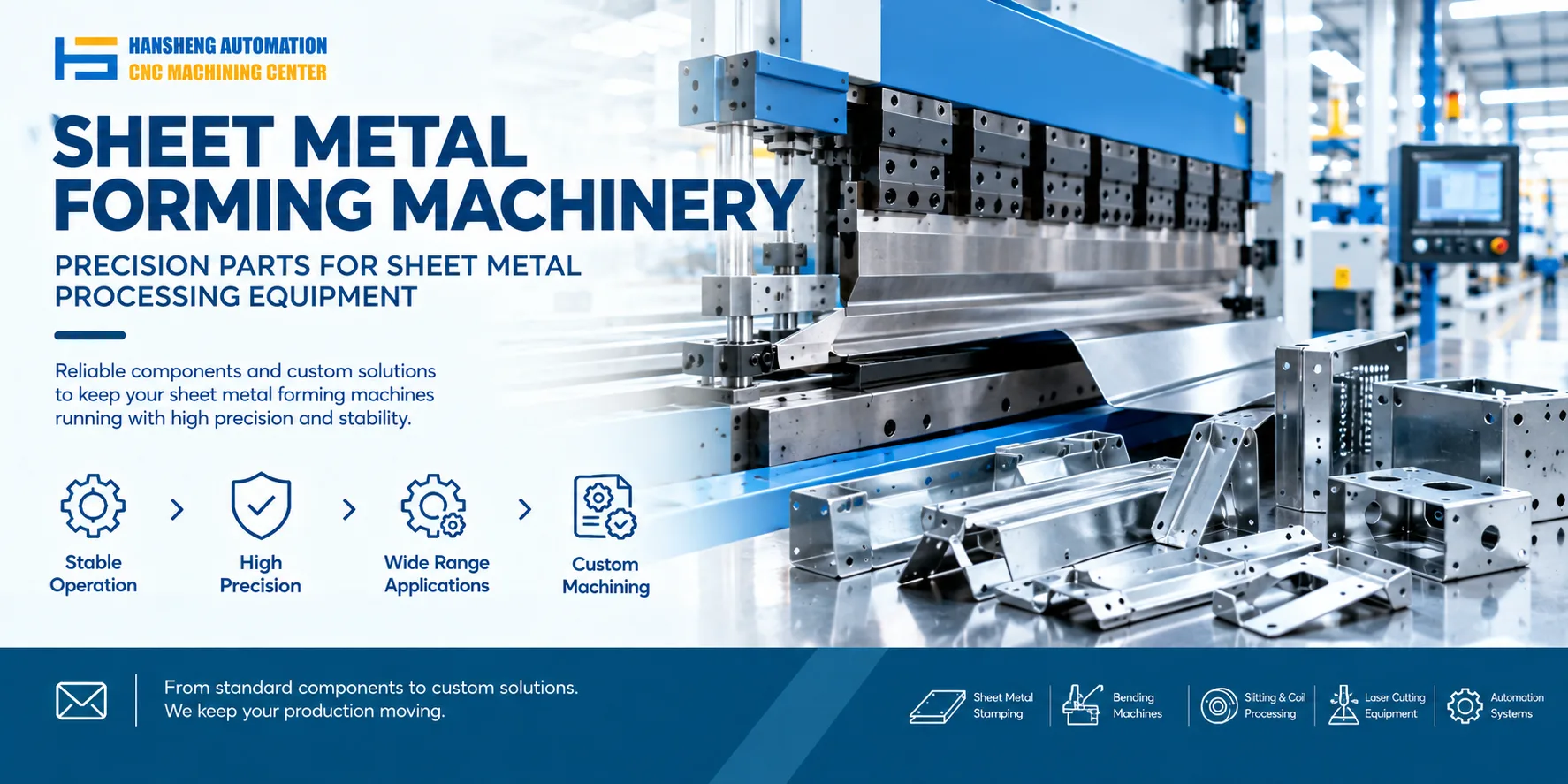
Hybrid servo CNC press brakes and conventional electro hydraulic synchronous press brakes differ mainly in hydraulic control, energy consumption, cycle efficiency, system integration, positioning accuracy, operating noise, and maintenance costs.
A hybrid servo press brake uses servo motors to control the hydraulic pumps, adjusting oil flow and pressure according to the machine's operating requirements. A conventional electro hydraulic synchronous press brake generally uses a hydraulic pump together with proportional valves to regulate cylinder movement. The difference in control methods affects how each machine uses energy and responds to changing loads.
Energy consumption and hydraulic oil requirements
A hybrid servo CNC press brake uses dual servo motors to drive the hydraulic pumps directly. Pump controlled operation replaces much of the traditional valve throttling process, reducing energy losses when the required flow and pressure are below the system's maximum output.
The stated performance figures indicate energy savings of approximately 50% and a reduction in hydraulic oil requirements of more than 70%. The specified oil tank has a total capacity of 110 L. These figures apply to the configuration being described and should be verified against the actual machine model and operating conditions.
A conventional electro hydraulic synchronous press brake generally consumes more energy when its hydraulic motor runs continuously and excess flow is regulated through valves. It may also require a larger hydraulic reservoir and more hydraulic oil, depending on the machine design.
Bending cycle efficiency
A hybrid servo press brake can improve cycle efficiency by matching pump output to the machine's movement requirements. The cylinder area ratio, pump displacement, main servo motor power, filling valve design and capacity, and response of the integrated hydraulic circuit all affect machine performance.
With these components properly configured, the stated system achieves an efficiency improvement of more than 30%. The actual reduction in cycle time depends on the machine configuration, programmed movements, workpiece requirements, and production cycle.
A conventional electro hydraulic synchronous press brake can also achieve efficient operation, but its response and cycle time depend on the design of the hydraulic circuit, pump performance, valve response, and control parameters.
System integration and oil leakage risk
A hybrid servo press brake can integrate the servo motors, pumps, valves, oil tank, filters, and hydraulic cylinders into a compact system. Reducing external hydraulic piping and connection points can improve circuit response and lower the risk of oil leakage.
A conventional electro hydraulic synchronous press brake may have more external hydraulic pipes and connections. These components require inspection and maintenance, and leakage at fittings or seals can increase service requirements.
The actual difference depends on the hydraulic architecture. Neither system is completely free from leakage or maintenance risks.
Positioning accuracy and bending consistency
A hybrid servo press brake uses servo motor control and pump feedback to regulate hydraulic flow and cylinder movement. With a suitable control system, this arrangement can provide responsive positioning and consistent ram movement.
The stated configuration specifies positioning accuracy of 5 μm. This figure should be checked against the manufacturer's technical documentation and measurement method. Positioning accuracy is not the same as finished bend angle accuracy, which also depends on material properties, tooling, machine deflection, crowning compensation, and control settings.
Conventional electro hydraulic synchronous press brakes also use CNC control and hydraulic synchronization to achieve accurate positioning and bending. Their performance depends on the machine structure, feedback system, valve response, and calibration.
The choice between the two systems should therefore be based on verified machine specifications and the required bending tolerances rather than a general assumption that one design always delivers better results.
Operating noise and working conditions
A hybrid servo press brake can reduce operating noise because the servo motors can stop when the system does not require hydraulic flow or pressure. The stated noise level is no more than 70 dB.
A conventional electro hydraulic synchronous press brake may produce more noise when its hydraulic motor and pump continue running during standby or low demand periods. Actual noise levels depend on the motor, pump, hydraulic circuit, machine enclosure, and operating cycle.
Lower standby noise and reduced heat generation can improve the working environment, particularly during repeated production cycles.
Installation and service costs
The integrated design of a hybrid servo press brake can reduce external piping, fittings, and installation work. Fewer external hydraulic connections may also simplify maintenance and reduce the risk of leakage related service costs.
A conventional electro hydraulic synchronous press brake may require more piping and connection points, increasing installation work and the number of components that need routine inspection. However, actual service costs depend on machine design, component availability, maintenance procedures, and the operating environment.
Choosing between the two press brake systems
A hybrid servo CNC press brake is worth considering when reducing energy consumption, limiting hydraulic oil requirements, improving cycle efficiency, and lowering operating noise are important production goals.
A conventional electro hydraulic synchronous press brake remains a practical option for many sheet metal fabrication applications. Machine selection should account for required bending force, positioning accuracy, production volume, cycle time, maintenance resources, and total operating cost.
Compare the specifications of the actual machines under consideration. Energy savings, hydraulic oil requirements, noise levels, and positioning accuracy should be evaluated using consistent test conditions rather than relying on headline figures alone.
Beyond sheet metal processing equipment, Hansheng Automation provides custom precision machining based on customer drawings. Our work includes components for yacht equipment and RC racing cars, along with nonstandard parts for tobacco packaging and filling machinery. Each component is manufactured according to the supplied drawings and the specific requirements of the application.