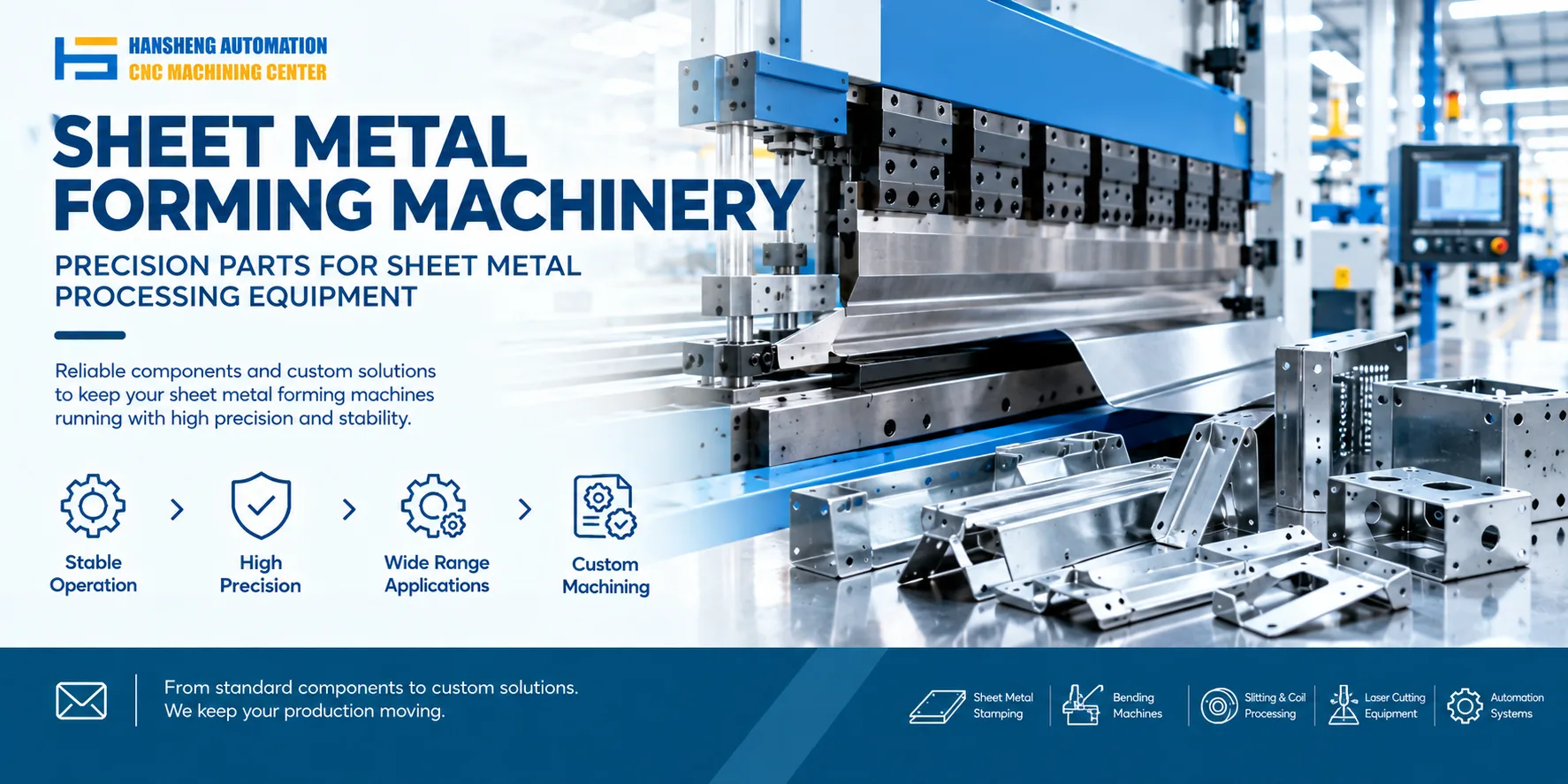
When a CNC press brake develops a fault, identify the affected system before attempting repairs. Common problems involve the hydraulic circuit, electrical supply, machine setup, or routine maintenance. Checking the relevant components and signals can help locate the cause and determine the appropriate corrective action.
Hydraulic system faults
Proportional relief valve solenoid coil problems
What to check: Check whether the solenoid coil of the proportional relief valve is energized and whether its supply voltage meets the machine's specifications.
How to resolve it: If the coil is not energized or the voltage is incorrect, inspect the power supply, electrical connections, and relevant control circuit. Repair any confirmed electrical faults before testing the hydraulic system again.
A stuck cartridge valve or main spool
What to check: Inspect the cartridge valve and main spool for sticking. Check whether the damping orifice is blocked.
How to resolve it: If contamination or mechanical sticking is confirmed, isolate the machine and release the relevant hydraulic pressure before removing the valve assembly. Clean the valve and blocked passages according to the manufacturer's maintenance procedure, then reinstall the components and verify their operation.
Low hydraulic oil level
What to check: Check the hydraulic reservoir level and confirm that the filling port remains submerged under the required operating conditions.
How to resolve it: If the oil level is too low, replenish the hydraulic oil. The original maintenance guidance specifies a level at least 5 mm above the filling port so that the filling port remains fully submerged. Confirm the correct oil level and checking procedure against the machine manufacturer's instructions.
Insufficient oil supply during rapid approach
What to check: Check whether the ram's rapid approach speed is too high for the hydraulic system to supply sufficient oil. Also inspect the filling valve to confirm that it opens fully and that its spool moves freely.
How to resolve it: If the rapid approach speed exceeds the system's operating requirements, adjust the relevant CNC parameters according to the machine manufacturer's specifications. If the filling valve is stuck or fails to open correctly, inspect and clean the valve as required. Reinstall it according to the prescribed procedure and verify that the oil supply is adequate.
Electrical system faults
Incorrect three-phase power sequence
An incorrect three-phase power sequence can cause the motor to rotate in the wrong direction, preventing the hydraulic system from operating correctly.
What to check: Verify the incoming phase sequence and confirm that the motor rotates in the direction specified by the manufacturer.
How to resolve it: If the phase sequence is incorrect, a qualified electrician should correct the electrical connections according to the machine's wiring diagram. Disconnect the power supply before making any electrical changes.
Operating and maintenance problems
Stroke setting and machine setup
The ram stroke must be set correctly before production begins. Incorrect settings may interfere with the bending cycle or cause the tooling to collide.
Check the stroke settings during setup and carry out the prescribed test procedure before processing workpieces. Confirm that the machine operates normally and that the selected parameters are suitable for the tooling and workpiece.
Upper and lower die clearance
The clearance and relative positions of the upper and lower dies must be suitable for the intended bending operation. An incorrect setup can affect forming quality and may damage the tooling.
Adjust the tooling position carefully during setup. Check the alignment and clearance in accordance with the machine manufacturer's instructions before starting production.
Routine maintenance
Regular maintenance helps prevent faults caused by contamination, loose connections, worn components, or incorrect operating settings.
Before maintenance, shut down the machine, isolate the power supply, and release residual hydraulic pressure as required by the service procedure. Never work on energized electrical components or open a pressurized hydraulic circuit. Inspection and repairs should follow the machine manufacturer's safety instructions.
When to contact a service technician
If the fault persists after the initial checks, or if the cause involves internal hydraulic valves, electrical control circuits, or machine positioning, contact a qualified service technician. Avoid repeated adjustments or component replacement before identifying the underlying cause.
Hansheng Automation also provides custom precision machining based on customer drawings for industrial applications. Our work includes components for yacht equipment and RC racing cars, along with nonstandard parts for tobacco packaging and filling machinery. Each component is manufactured according to the supplied drawings and the specific requirements of the application.