Die-casting operations can release metal fumes, particulate matter, oil mist, and chemical vapors into the workplace. These emissions may originate from molten metal, die release agents, lubricants, and cleaning operations. Their composition depends on the alloy being processed, chemical formulations, operating temperature, and production conditions.
Workers who are regularly exposed to uncontrolled die-casting emissions may experience respiratory irritation, skin problems, and other health effects. The severity of these effects depends on the substances present, their concentrations, and the duration and frequency of exposure.
Health Risks of Die-Casting Fumes
Respiratory System Damage
Metal fumes, fine particles, and aerosols generated during die-casting operations can enter the respiratory tract when inhaled.
Potential emission sources include heated or molten metal, sprayed die release agents, lubricants, and other materials used during production. Some metal fumes can irritate the respiratory tract, while certain chemical aerosols and airborne contaminants may contribute to occupational asthma or other respiratory diseases.
The specific health effects depend on the metal alloy and chemicals involved. For example, inhalation of certain metal oxide fumes can cause metal fume fever, while exposure to specific metal compounds may result in more serious respiratory conditions.
Prolonged exposure to certain carcinogenic substances, such as respirable crystalline silica or specific metal compounds, may increase the risk of occupational lung disease or cancer. However, these risks depend on the actual contaminants present and should not be attributed to all die-casting operations.
Effects on the Nervous System and Other Organs
Some substances associated with metal casting can affect the nervous system and other internal organs when workers are exposed to them through inhalation or other exposure routes.
For example, lead-containing fumes and dust can cause systemic toxicity and affect neurological function. Certain chemical substances found in release agents, lubricants, and cleaning products may also have toxic effects, depending on their composition and exposure levels.
Symptoms associated with exposure to specific hazardous substances may include headaches, dizziness, nausea, and fatigue. However, these symptoms are not specific to die-casting fumes and cannot be attributed to a particular pollutant without exposure assessment.
The potential effects on the liver, kidneys, and nervous system depend on the chemical properties of the contaminants and the level and duration of exposure.
Skin and Eye Irritation
Workers may also come into contact with airborne particles, oil mist, release agents, and cleaning chemicals during die-casting operations.
These substances can settle on the skin or enter the eyes, causing irritation. Certain chemicals may also cause contact dermatitis, skin sensitization, or chemical burns.
Repeated contact with contaminated surfaces, workpieces, and process fluids can increase the risk of skin exposure. Appropriate protective gloves, work clothing, and eye protection should be selected according to the chemicals used and their safety data sheets (SDSs).
Metal Fume Fever and Acute Exposure Effects
When certain metals are heated to high temperatures, metal-containing fumes can form as vaporized material condenses into fine airborne particles.
Exposure to fumes containing certain metals, including zinc, copper, nickel, and magnesium, can cause metal fume fever.
Symptoms may develop 4 to 12 hours after exposure and include:
Headache and nausea.
Fever, chills, and sweating.
Dry throat and coughing.
Muscle aches and general discomfort.
Metal fume fever is an acute occupational condition associated with exposure to specific metal fumes. Workers who develop these symptoms should be removed from further exposure and receive appropriate occupational health assessment.
Does Die-Casting Exhaust Treatment Equipment Pose Health Risks?
Properly designed and maintained exhaust treatment equipment helps capture and remove pollutants generated during die-casting operations. However, it is not accurate to state that such equipment is completely harmless or that its use automatically eliminates all workplace exposure.
The actual level of protection depends on the exhaust collection system, treatment technology, equipment condition, and maintenance procedures.
Pollutant Capture and Treatment
Exhaust treatment systems can collect metal fumes, particulate matter, oil mist, and certain chemical vapors before they disperse into the workplace or enter the atmosphere.
Common control technologies include local exhaust ventilation, filtration, wet scrubbing, electrostatic precipitation, and thermal oxidation. The appropriate method depends on the pollutants being treated and the process conditions.
Effective source capture is particularly important. If the extraction hood is incorrectly positioned or the ventilation system has insufficient airflow, contaminants may escape into the operator's breathing zone.
Equipment Operation and Maintenance Safety
Exhaust treatment equipment requires regular inspection and maintenance. Filters, dust collectors, and adsorption materials can accumulate hazardous substances during operation.
Workers may be exposed to concentrated contaminants when replacing filter media, cleaning collection units, or handling used adsorbents. Appropriate isolation procedures, personal protective equipment, and waste handling measures are necessary during these operations.
Some treatment technologies also involve additional hazards. High-voltage components in electrostatic or plasma systems require electrical protection, while thermal oxidation equipment requires appropriate temperature control and fire protection.
Therefore, equipment safety depends on proper design, installation, operation, and maintenance. Routine inspections and exposure monitoring are necessary to confirm that the system continues to provide adequate protection.
Measures to Reduce Occupational Exposure to Die-Casting Fumes
The following measures can help reduce worker exposure during die-casting operations:
Source control: Select suitable release agents and lubricants and follow the recommended application rates. Avoid excessive spraying and control molten metal temperatures according to the process specifications.
Local exhaust ventilation: Install extraction hoods or enclosed ventilation systems close to the die-casting machine and other emission sources. Capture fumes before they spread into the workplace.
Equipment maintenance: Regularly inspect exhaust ducts, fans, filters, and treatment units. Replace damaged filter media and correct air leakage or insufficient extraction promptly.
Exposure monitoring: Identify the substances used and generated during production. Conduct workplace air monitoring when necessary to assess exposure to metal fumes, particulate matter, and chemical vapors.
Personal protective equipment: Provide suitable respiratory protection, gloves, eye protection, and protective clothing according to the exposure assessment and chemical safety requirements. Personal protective equipment should supplement, rather than replace, effective engineering controls.
Chemical management: Obtain and review the safety data sheets for release agents, lubricants, hydraulic fluids, and cleaning chemicals. This helps identify potential hazards and determine appropriate handling and protection measures.
Custom Machining for Die-Casting and Industrial Equipment Components
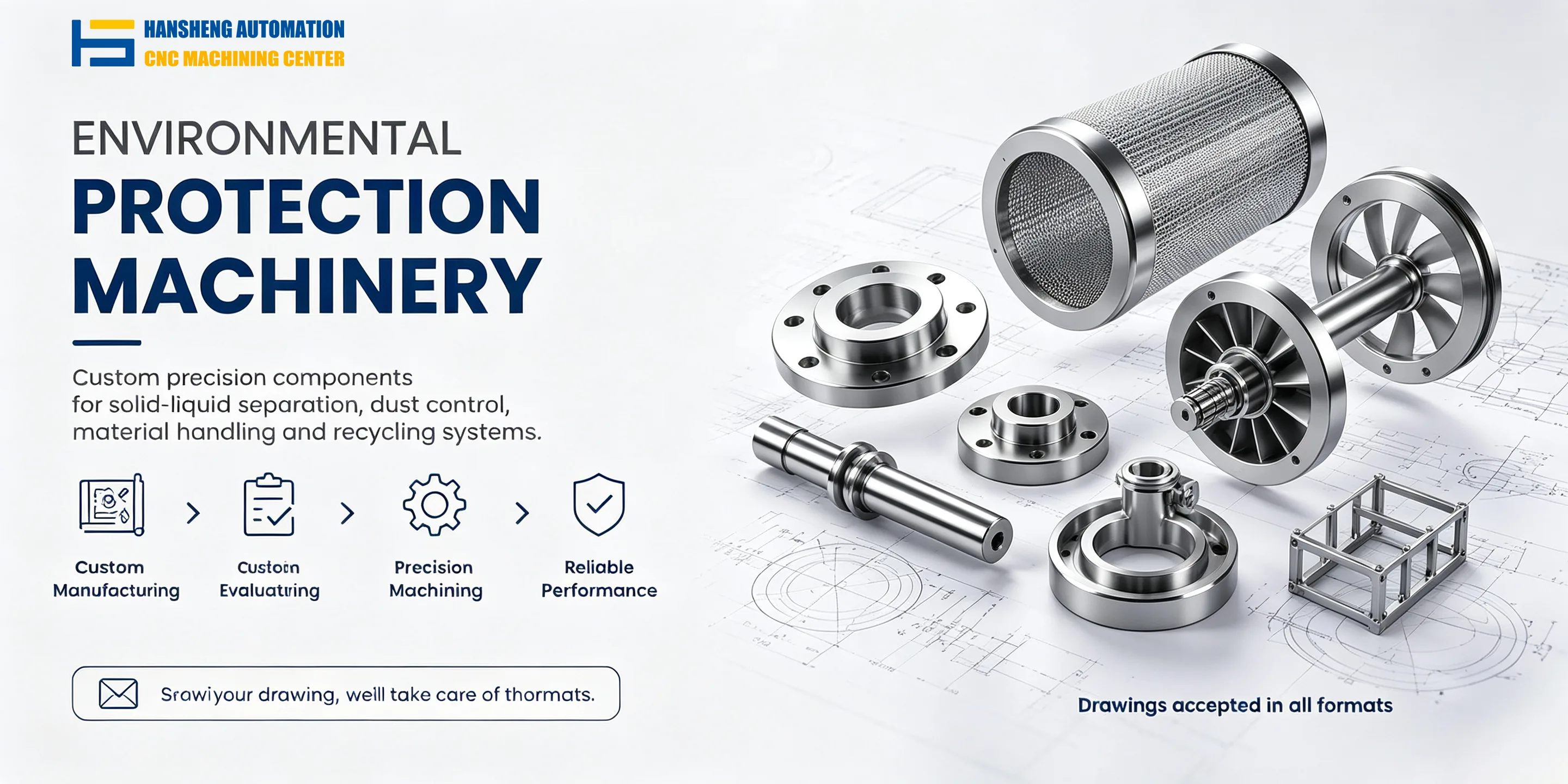
In addition to components used in die-casting and metal processing equipment, Hansheng Automation provides drawing-based precision machining for non-standard industrial parts.
Our machining services also cover precision components for yacht equipment, remote-controlled racing cars, tobacco and packaging machinery, and filling equipment. We support single-piece and small-batch production according to customer drawings, dimensions, and assembly requirements.