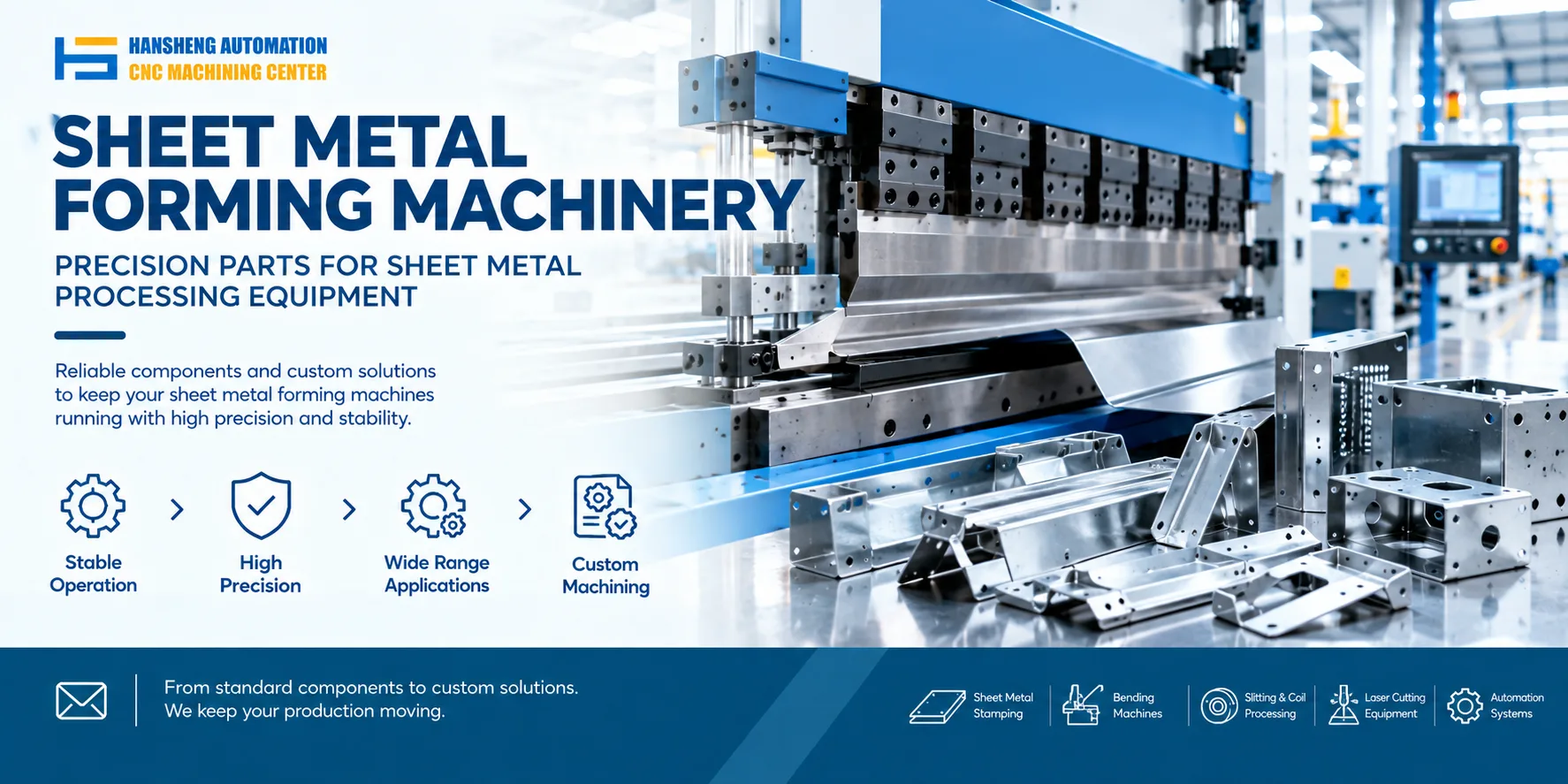
CNC shearing machine blades and conventional shearing machine blades perform the same basic function: separating sheet metal through the shearing action of the upper and lower blades. Their main differences depend on the machine design, blade specifications, positioning requirements, and cutting conditions. CNC control does not automatically mean that a blade uses a different material or has a higher level of manufacturing precision.
Manufacturing Precision and Installation Accuracy
Shearing machine blades must meet the dimensional and geometric requirements of the machine. Blade straightness, edge condition, mounting dimensions, and alignment all affect cutting quality.
On a CNC shearing machine, accurate backgauge positioning and programmed cutting operations help maintain consistent workpiece dimensions. However, the quality of the cut also depends on blade condition, installation accuracy, and the clearance between the upper and lower blades.
Conventional shearing machines require the same attention to blade alignment and condition. The practical difference is often the machine's positioning and control system rather than an inherent difference in blade manufacturing quality.
Blade Design and Structure
Shearing machine blades are designed to match the machine's cutting mechanism and rated capacity. Depending on the model, the machine may use straight blades or segmented blades, with blade geometry and mounting arrangements determined by the equipment design.
The upper and lower blades must fit the blade holders correctly and maintain the required cutting relationship throughout the stroke. Some blade designs also allow multiple cutting edges to be used through repositioning or turning the blade, provided that the manufacturer specifies this feature.
Features such as large helix angles, chip breakers, and internal coolant channels are generally associated with machining tools used for milling or turning. They should not be treated as standard design features of sheet metal shearing blades.
Blade Materials and Heat Treatment
The blade material must provide sufficient hardness, wear resistance, and toughness for the intended cutting conditions. Tool steel grades are selected according to the material being sheared, its thickness and strength, and whether the machine uses a mechanical or hydraulic drive system.
Heat treatment affects blade hardness, dimensional stability, and resistance to wear or chipping. A blade that is too brittle may be vulnerable to edge damage, while insufficient hardness can shorten its service life.
CNC and conventional shearing machines may use similar blade materials when their operating conditions and tooling specifications are comparable. The correct grade should be selected according to the machine manufacturer's requirements rather than the CNC designation alone.
Surface treatments may be used for particular blade materials or applications, but they are not universal requirements for CNC shearing machine blades.
Blade Clearance and Cutting Performance
Blade clearance is the gap between the upper and lower cutting edges. It must be matched to the sheet thickness, material properties, and machine specifications.
Incorrect clearance can affect the cut edge and increase blade loading. If the gap is too small, the blades may experience excessive force and wear. If the gap is too large, the cut may develop excessive burrs, deformation, or an uneven fracture surface.
CNC systems may provide automatic or adjustable clearance settings on appropriately equipped machines. Other machines require manual adjustment. In both cases, the clearance must be set according to the manufacturer's recommendations and verified under the intended cutting conditions.
Maintenance and Blade Service Life
Blade service life depends on material selection, heat treatment, cutting conditions, clearance, alignment, and maintenance. Regular inspection helps identify edge wear, chips, cracks, and other damage before cutting quality deteriorates.
When a blade becomes worn, the manufacturer may permit regrinding or the use of another cutting edge. The blade must then be reinstalled and the clearance checked according to the specified procedure.
For both CNC and conventional shearing machines, correct installation and clearance adjustment are necessary to maintain cutting accuracy and avoid premature blade damage.
How to Select the Right Shearing Machine Blade
When selecting replacement blades, check the machine model, blade dimensions, material grade, hardness requirements, mounting arrangement, and permitted clearance settings. The blade must be compatible with the machine and suitable for the material and thickness being processed.
CNC shearing machines offer advantages in programmable positioning and repeatable cutting operations, but these capabilities do not eliminate the need for correct blade selection and maintenance. Actual cutting performance depends on the complete system, including the machine, blades, material, and operating parameters.
Custom Precision Machining for Industrial Applications
Hansheng Automation provides custom precision machining based on customer drawings for a range of industrial applications. Our work includes precision components for yacht equipment and RC racing cars, as well as nonstandard parts for tobacco packaging machinery and filling machinery. Each component is manufactured according to the supplied drawings and the specific dimensional and structural requirements.