A dual-lane packaging machine adds a second set of work units to a single-lane design, so two packaging tasks run in parallel. Whether it makes sense to move up to dual-lane depends on output, floor space, and maintenance capability.
Advantages
High production efficiency. With more work units, the machine handles two packaging tasks at once. Output is usually 50% to 100% higher than a single-lane machine.
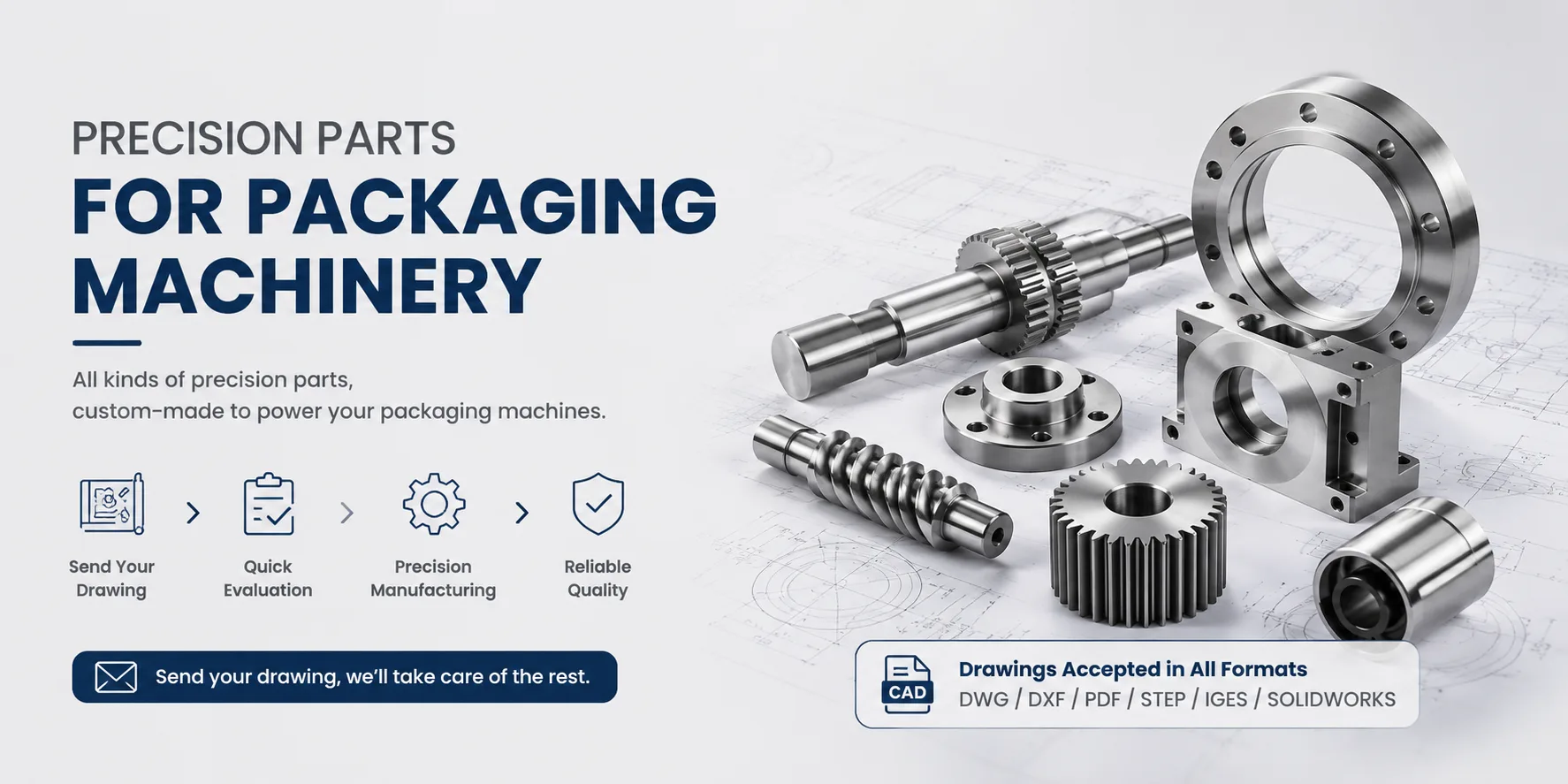
Wide packaging range. It handles flat-bottom, bracket, and vertical bag styles, with hot sealing or cold sealing options. We can machine heat sealing dies, formers, cutter seats, and other wear parts to customer drawings, for single pieces or small batches.
High level of automation. Bag separation, metering, date and batch code printing, sealing, and discharge are completed automatically. Labor cost drops and efficiency rises.
High accuracy. The machine automatically corrects packaging material during production, keeping seal quality, weight accuracy, and appearance consistent.
Disadvantages
Higher price. Compared with a single-lane machine, a dual-lane machine requires a larger upfront investment and puts more pressure on manufacturer cost.
Higher maintenance and operating difficulty. The structure is complex. Repair and maintenance need professional electrical engineers, so both repair and running costs are higher.
Specialized knowledge required. The equipment needs trained operators and trained maintenance personnel, which adds pressure on staffing.
Large footprint. Dual-lane machines usually take up more space and need a larger production area. They are not suitable for small companies or workshops with limited space.
Beyond parts for dual-lane packaging machines, our custom machining capability also covers non-standard components for pharmaceutical packaging machinery, food machinery, daily chemical filling equipment, and tobacco packaging machinery, as well as precision structural parts for yachts and RC race cars. Hansheng Automation machines single pieces or small batches to customer drawings, with material, tolerance, and surface finish specified by the drawing.