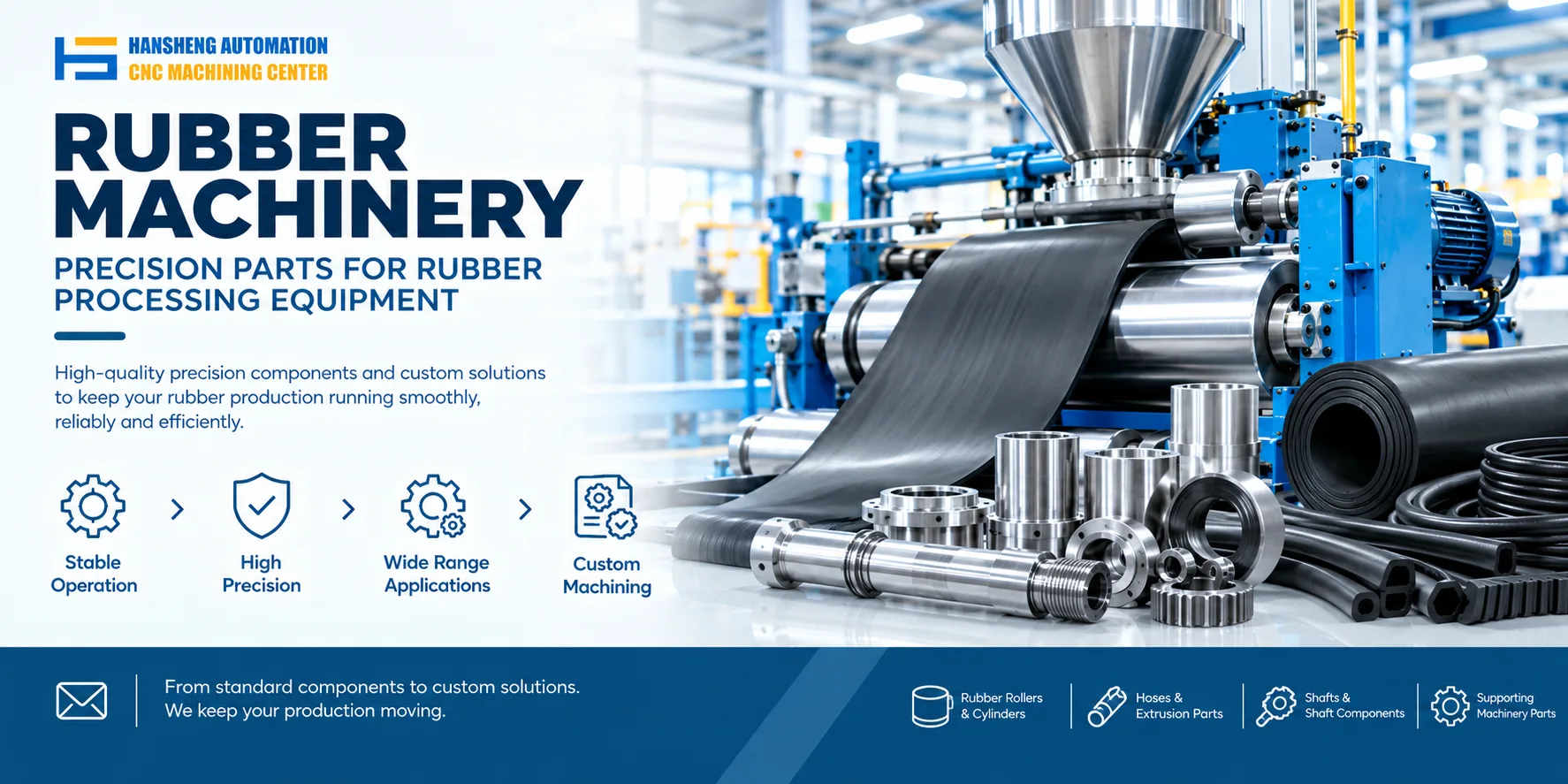
Maintenance of a tire curing press involves routine inspections, preventive maintenance, and fault diagnosis. Its operating principles rely on a coordinated hydraulic system and mechanical structure to control mold movement, clamping force, and alignment during vulcanization.
Maintenance and troubleshooting
Routine maintenance
Inspect the rollers, guide rails, hydraulic cylinders, and other components regularly for wear or damage. Keep these parts clean and replace any components that are no longer in suitable working condition.
Check the hydraulic oil level and condition as part of routine maintenance. Replenish or replace the oil as required to maintain reliable hydraulic system operation.
Fault diagnosis
When problems occur, such as irregular mold opening and closing or insufficient clamping force, first check whether the hydraulic system is operating at the required pressure and flow rate.
If the hydraulic system operates normally, inspect the mechanical components for damage, wear, or loose connections. Components with excessive wear should be replaced promptly to restore proper machine operation.
Operating principles of a tire curing press
Hydraulic system
The central hydraulic cylinder provides the primary mold clamping force. The hydraulic system transmits and regulates pressure to control the machine's clamping operation.
Hydraulic system stability and control accuracy directly affect the press's operating performance. Pressure fluctuations or inadequate hydraulic output can interfere with mold movement and clamping force.
Mechanical structure and mold alignment
The press uses a fixed frame with a compact, rigid structure. Rollers running along guide rails allow the upper mold to move vertically. The clearance between the rollers and guide rails is kept very small to maintain accurate alignment and repeatable movement.
The central hydraulic cylinder and the elastic frames on both sides jointly provide the clamping force. This arrangement helps distribute the load evenly across the mold and keeps the vulcanization station vertical during operation.
Motion accuracy and alignment control
Motion accuracy is important to the quality and consistency of tire vulcanization. Key alignment requirements include the concentricity and parallelism of the upper and lower heating plates, as well as the concentricity and parallelism between the tire loader and the lower heating plate.
These alignment parameters are controlled at the millimeter level to maintain stable positioning throughout the vulcanization process.
Custom precision component machining services
Beyond tire processing equipment applications, Hansheng Automation provides custom machining of precision components according to customer supplied drawings. Our services include parts for yacht equipment and RC racing cars, along with nonstandard components for tobacco packaging and filling machinery. We manufacture components to customer specified dimensions and drawing requirements for different mechanical applications.