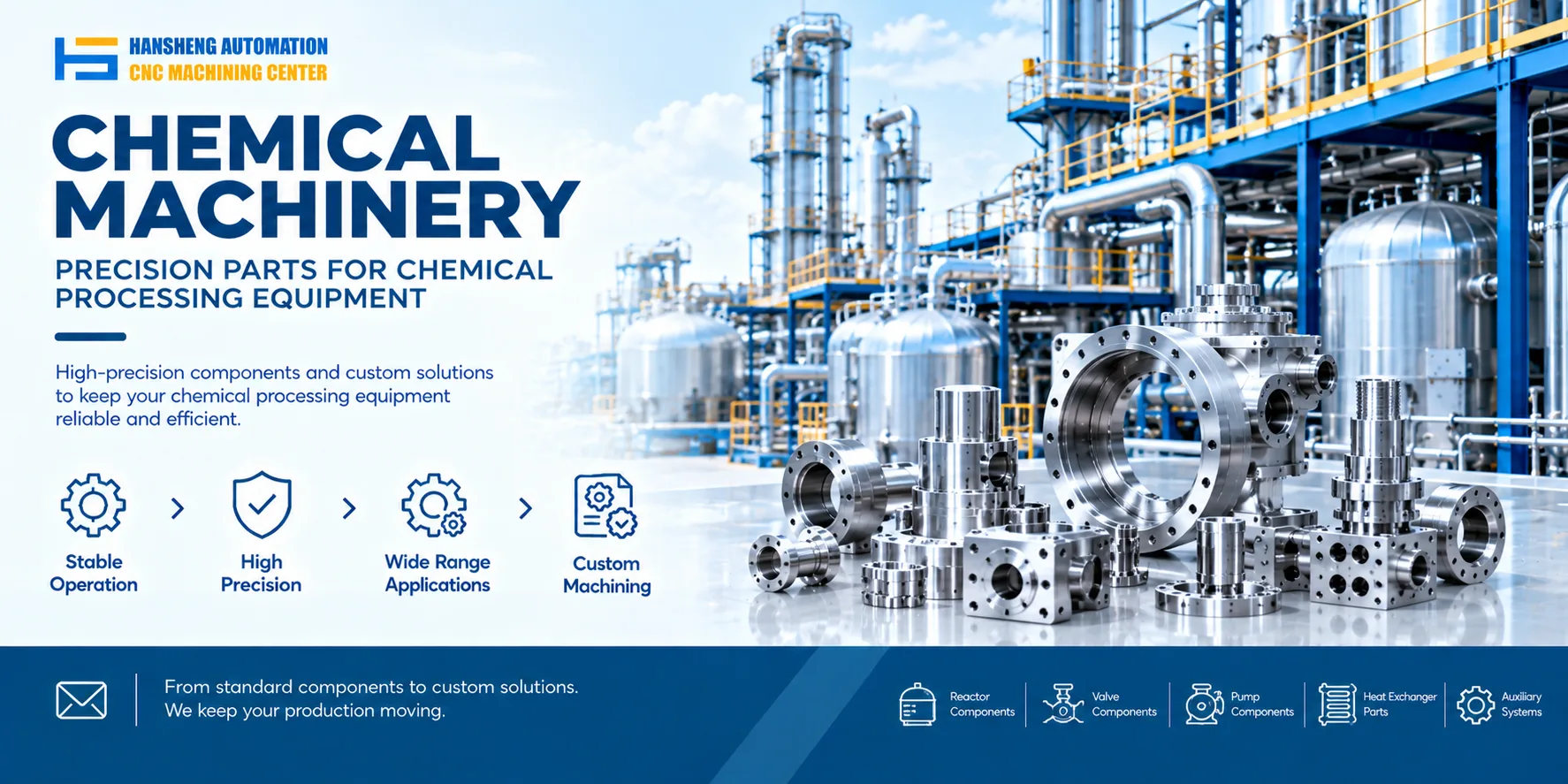
Maintenance of glass-lined reactors should follow the equipment manufacturer's instructions and take account of the equipment's design and operating condition. Inspection should focus on the magnetic agitator, agitator shaft, bearings, and shaft sleeves. Before disassembly, operators must remove the reactor contents and clean the equipment properly to prevent contamination of the magnetic coupling and damage to the glass lining.
Routine inspection and maintenance
Regular inspections help identify wear and abnormal operating conditions before they lead to equipment failure or unplanned downtime. During maintenance, inspect the relevant components according to the equipment design and maintenance instructions. Repair or replace parts when damage or wear exceeds the specified limits.
Magnetic agitator maintenance
Lubrication
Some high temperature, high speed magnetic agitators have an oil filling port at the top for lubricating the bearings after shutdown. Before injecting lubricant, confirm that the pressure inside the reactor has been fully released.
For equipment fitted with this lubrication arrangement, where the manufacturer specifies the corresponding quantity, 30 to 50 cc of grease can be injected using a syringe for each lubrication operation. The equipment manual should determine the actual quantity.
Inspection and disassembly
For magnetic agitators with the corresponding design, maintenance can usually be carried out without opening the reactor lid. Follow the equipment drawings and manufacturer's instructions to loosen the nuts connecting the drive assembly to the lid before removing the assembly.
During disassembly, prevent iron filings and other ferromagnetic contaminants from entering the gap between the inner and outer magnetic rotors. Such contaminants can interfere with the magnetic coupling or cause component wear.
Installation and alignment
During reassembly, maintain the specified concentric alignment of the inner and outer magnetic rotors with the sealing cover. Tighten the bolts evenly and symmetrically in 2 to 3 stages. Uneven tightening can damage the sealing gasket and compromise sealing performance.
Cleaning before disassembly
Before dismantling the reactor, completely drain the reaction materials. Clean the equipment thoroughly using a suitable gas or liquid cleaning medium selected according to the properties of the residues and the equipment cleaning procedure. The cleaning medium must be compatible with the residues and equipment materials and suitable for safe handling. Residual material can expose maintenance personnel to hazards or contaminate the equipment.
Agitator shaft inspection and replacement of bearings and shaft sleeves
Checking agitator shaft runout
Check the radial runout of the agitator shaft at regular intervals. If the measured value exceeds the specified limit, stop the equipment and inspect the relevant components. Disassemble the assembly according to the equipment drawings and replace the bearings and shaft sleeves as required. Before replacement, assess the wear and fit of the mating components.
Shaft sleeve service life
Some magnetic agitators use composite or graphite shaft sleeves with a design service life of 1 to 2 years. For equipment using these sleeve types, where consistent with the manufacturer's maintenance requirements, annual replacement can serve as a reference schedule. The actual replacement interval should depend on the manufacturer's instructions, operating conditions, and the observed wear of the sleeve.
Maintenance precautions
Follow the manufacturer's disassembly and assembly procedures to avoid damage during maintenance. Particular attention should be paid to depressurization before lubrication, the exclusion of magnetic contaminants, alignment of the inner and outer magnetic rotors, and inspection of the agitator shaft, bearings, and shaft sleeves for wear.
Glass-lined components also require careful handling. Avoid impact and excessive or uneven loading that could damage the glass lining.
In addition to components for reactor equipment, Hansheng Automation provides custom precision machining according to customer drawings. Our machining work includes parts for tobacco packaging machinery and filling equipment, as well as precision components for yachts and RC racing cars. We manufacture non-standard parts to customer drawings and technical requirements for a range of equipment applications.