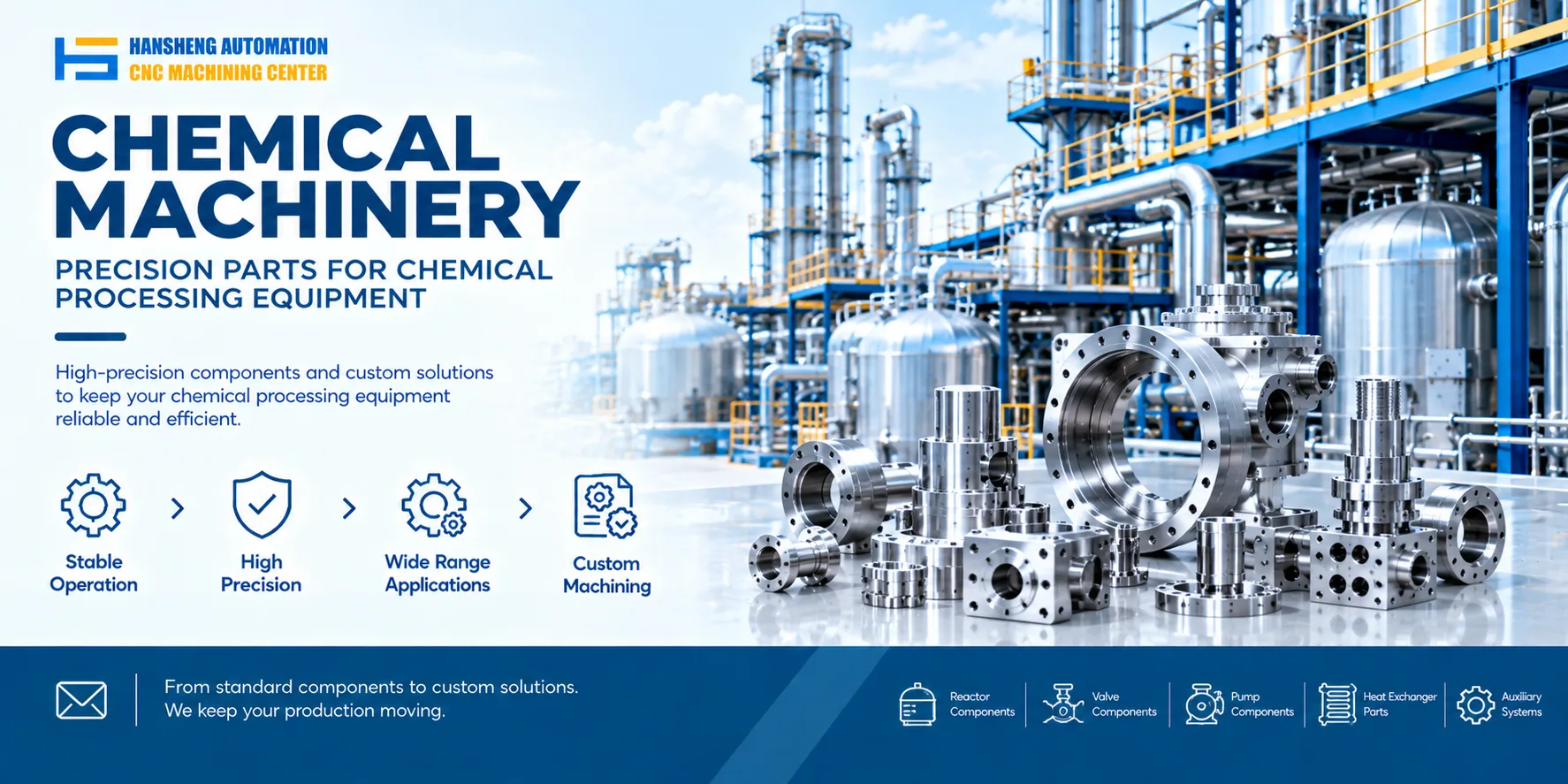
Reactor maintenance should follow the equipment manufacturer's instructions, actual operating conditions, and applicable safety regulations. A maintenance plan typically includes daily checks, monthly inspections, and annual overhauls or servicing based on accumulated operating hours. The main areas to monitor are the mechanical seal, agitator and drive system, heating and cooling systems, and reactor vessel.
Daily maintenance
Daily maintenance should be performed once per shift or once a day, depending on the operating schedule.
Before operation: Check that pressure gauges, thermometers, and other instruments display correctly. Confirm that the required inspection and calibration records for instruments and safety accessories are valid. When the equipment is depressurized, verify that the pressure gauge returns to zero.
During operation: Monitor the motor, gearbox, and agitator for abnormal vibration or noise. Check the mechanical seal for signs of leakage.
After shutdown: Clean the exterior surfaces of the reactor vessel and piping according to the equipment's cleaning requirements to reduce the risk of corrosion caused by material residues. Check connection bolts for looseness and address any abnormalities found.
Monthly maintenance
Mechanical seal inspection: Check the barrier fluid level and condition. For equipment fitted with a pressurized double mechanical seal, verify the relationship between barrier fluid pressure and vessel pressure according to the seal system design. The required pressure difference should not be determined by the seal configuration alone.
Agitator and drive system inspection: Check the radial runout of the agitator shaft and confirm that the gearbox oil level is within the specified range. Investigate abnormal shaft movement, increased operating noise, or other signs of a problem.
Valve and piping inspection: Test the opening and closing of valves used for gas inlet, gas discharge, material feeding, and discharge. Confirm that the valves operate freely without sticking. Inspect piping connections for leaks.
Electrostatic grounding inspection: Check the grounding connections and measure grounding resistance. Acceptance criteria should follow the equipment design documents, applicable standards, and site safety requirements. A single resistance limit should not be treated as a universal requirement for all reactor equipment.
Annual overhaul or scheduled servicing
An annual overhaul should be scheduled according to equipment condition, the manufacturer's instructions, and the maintenance plan. For equipment maintained according to accumulated operating hours, 6,000 to 8,000 hours can be used as a reference interval from the original maintenance plan. The actual service interval should be determined by the equipment requirements and operating conditions.
Vessel cleaning and inspection: Thoroughly clean the inner surface of the vessel. Inspect the lining or internal surface, such as an enamel layer or stainless steel surface, for cracks, flaking, or corrosion. Determine whether repairs are needed based on the vessel construction and the extent of any damage.
Mechanical seal maintenance: Mechanical seals require periodic inspection. Whether the complete seal should be replaced, and how often, depends on the manufacturer's maintenance instructions. The original recommendation of 1 to 2 years can serve as a reference, but it should not replace a replacement schedule established for the specific seal model.
Pressure testing: Arrange pressure tests as required by the equipment design documents, inspection findings, and applicable regulations. For equipment covered by TSG 21-2016, the Supervision Regulation on Safety Technology for Stationary Pressure Vessels, the hydrostatic test pressure is calculated using the prescribed pressure coefficient and the ratio of allowable stresses. It should not automatically be taken as 1.25 times the design pressure.
Safety accessory inspection: Arrange inspection or calibration of safety valves, pressure gauges, and thermometers in accordance with the applicable requirements. Check the condition of the rupture disc and replace it if damaged or otherwise unsuitable for service.
Electrical system inspection: Measure the motor insulation resistance and check the electrical connection points for tightness. Correct loose or abnormal connections in accordance with the equipment maintenance requirements.
Maintenance precautions
Before maintenance, isolate the power supply, depressurize and purge the equipment, allow it to cool, and post warning signs. Confirm that the equipment is in a safe condition before starting work.
Before anyone enters the vessel, obtain the required confined-space work permit and test the oxygen concentration and the presence of toxic or hazardous gases.
Avoid striking enamel-lined reactors or exposing them to rapid temperature changes, which may damage the enamel layer.
When replacing components, use original spare parts supplied by the equipment manufacturer or alternatives that meet the required technical specifications and service conditions.
In addition to components used in reactor equipment, Hansheng Automation provides custom precision machining according to customer drawings. Our machining services cover industrial components for filling and tobacco packaging machinery, along with precision parts for yachts and RC racing cars. We manufacture parts to the drawings and technical requirements supplied by customers, serving applications across different equipment types and industries.