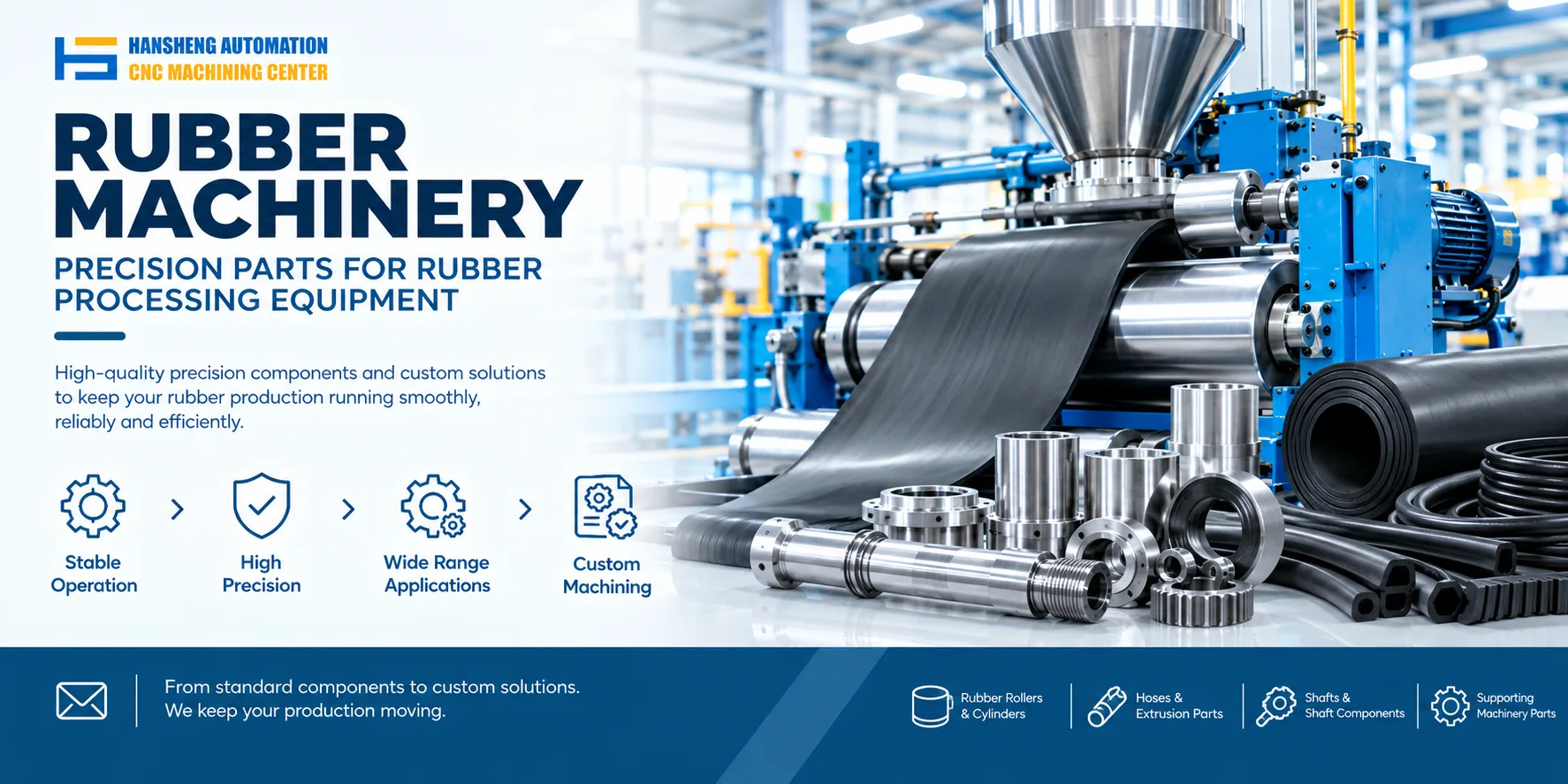
An internal mixer is used to blend rubber compounds with fillers, additives, and other ingredients under controlled mixing conditions. Its main components include the drive system, mixing chamber, cooling system, feeding and discharge mechanisms, sealing components, and electrical controls. The exact configuration depends on the machine model.
Correct operation requires checking the equipment before startup, following the specified mixing procedure, monitoring operating conditions, and cleaning the machine after use.
1. Main components of an internal mixer
1.1 Motor and reducer
The motor supplies the power required for mixing, while the reducer lowers the motor speed and provides the torque needed to drive the rotors. Depending on the machine design, the drive system may use different motor types and reducer configurations.
During routine inspection, check for abnormal noise, overheating, loose connections, and signs of lubrication problems.
1.2 Mixing chamber and rotors
The mixing chamber is the main working section of an internal mixer. It houses two rotors that rotate within an enclosed chamber to knead and blend the rubber compound.
The chamber lining and rotor surfaces are exposed to repeated friction and mechanical loads. Wear in these areas can affect mixing performance and component clearances, so regular inspection is necessary.
When replacement metal components are required, we can assess custom machining based on customer drawings, measured dimensions, and the specified material and fit requirements.
1.3 Cooling system
Mixing generates heat through friction and the deformation of the rubber compound. The cooling system helps control the temperature of the mixing chamber and associated components.
Depending on the machine design, cooling water circulates through designated passages to remove heat. Operators should check the water supply, valves, connections, and circulation conditions before starting production. The cooling system must be operated according to the equipment manufacturer's instructions.
1.4 Feeding and discharge mechanisms
The feeding mechanism introduces raw materials and additives into the mixing chamber. Many internal mixers also use a pressure ram to apply force to the material during mixing.
After the mixing cycle is complete, the discharge mechanism releases the compound for the next production stage. Operators should check the movement of these mechanisms and ensure that the discharge door and related components operate correctly.
1.5 Sealing components and electrical controls
Sealing components help prevent material leakage around designated moving or mating parts. Electrical controls manage the motor, operating sequence, and relevant machine functions.
Inspect seals for wear or leakage, and check electrical connections, switches, and control components for visible damage or abnormal operation. Faulty components should be investigated and repaired before they cause further equipment problems.
2. How to operate an internal mixer
The operating procedure should follow the specific machine manual and the mixing parameters established for the rubber compound. The following steps provide a general sequence.
2.1 Prepare the machine
Before startup, remove residual material and foreign objects from areas that can be accessed safely. Check the mixing chamber, feeding mechanism, discharge door, cooling system, and relevant safety devices.
Confirm that the guards are in place and that the machine is ready to operate. Any cleaning or maintenance that requires access to hazardous moving parts must be carried out after the equipment has been safely shut down and isolated.
2.2 Prepare the raw materials and additives
Select the rubber and additives according to the production formulation. Weigh each material in advance and confirm the required proportions.
The material quantity and feeding sequence should follow the established process instructions. Incorrect proportions or an unsuitable feeding sequence can affect compound consistency and mixing results.
2.3 Start the equipment
Check the drive system and confirm that the cooling system is ready for operation. Start the machine according to the manufacturer's procedure and verify that the motor and associated mechanisms operate normally.
Keep the discharge mechanism in the required operating position during mixing. Do not open the discharge door at startup unless the machine's specific operating procedure requires it.
2.4 Carry out the mixing process
Feed the prepared materials according to the prescribed sequence. Operate the pressure ram and other mechanisms as required by the machine design.
During mixing, monitor the relevant operating parameters, including mixing time, temperature, and ram pressure where applicable. Adjustments should follow the established process settings rather than arbitrary changes during operation.
If the machine produces abnormal noise, develops a temperature-control problem, or shows signs of mechanical or electrical failure, investigate the cause before continuing production.
2.5 Discharge the compound and clean the machine
When the mixing cycle is complete, discharge the compound according to the operating procedure. Check that the material has been released properly and that the discharge mechanism returns to its required position.
After production, remove residual material from the accessible areas and clean the equipment in accordance with the manufacturer's instructions. Inspect the machine for material buildup, leakage, or visible component damage before the next production run.
3. Safety and maintenance precautions
Operators should follow the machine's operating procedures and wear the required personal protective equipment. Hands and other body parts must be kept away from moving parts, feeding openings, and discharge mechanisms during operation.
Materials should be fed in the specified quantities and sequence. Temperature, pressure, and mixing time must remain within the established process requirements. The work area should also have suitable ventilation for the materials being processed.
Routine maintenance should cover the lubrication system, fasteners, seals, electrical components, and transmission mechanism. Check for oil leakage, damaged wiring, abnormal wear, and other signs of failure. Address problems promptly instead of waiting for them to cause an unplanned shutdown.
For replacement components, verify the equipment model and the dimensions and specifications of the original part before ordering or machining a substitute.
4. Custom machining for rubber machinery components
Some rubber machinery components have model-specific dimensions and mating requirements. When an original component is difficult to source or a replacement requires a non-standard design, Hansheng Automation can assess custom machining according to customer drawings and technical specifications. The scope may include suitable metal structural parts and other precision components, subject to drawing review and machining feasibility.
Our precision machining services also cover components for other industries. These include parts for yacht equipment and RC racing cars, as well as non-standard metal components used in tobacco packaging, filling, and other industrial machinery. Customers can provide drawings and dimensional requirements for an assessment of the appropriate manufacturing process.