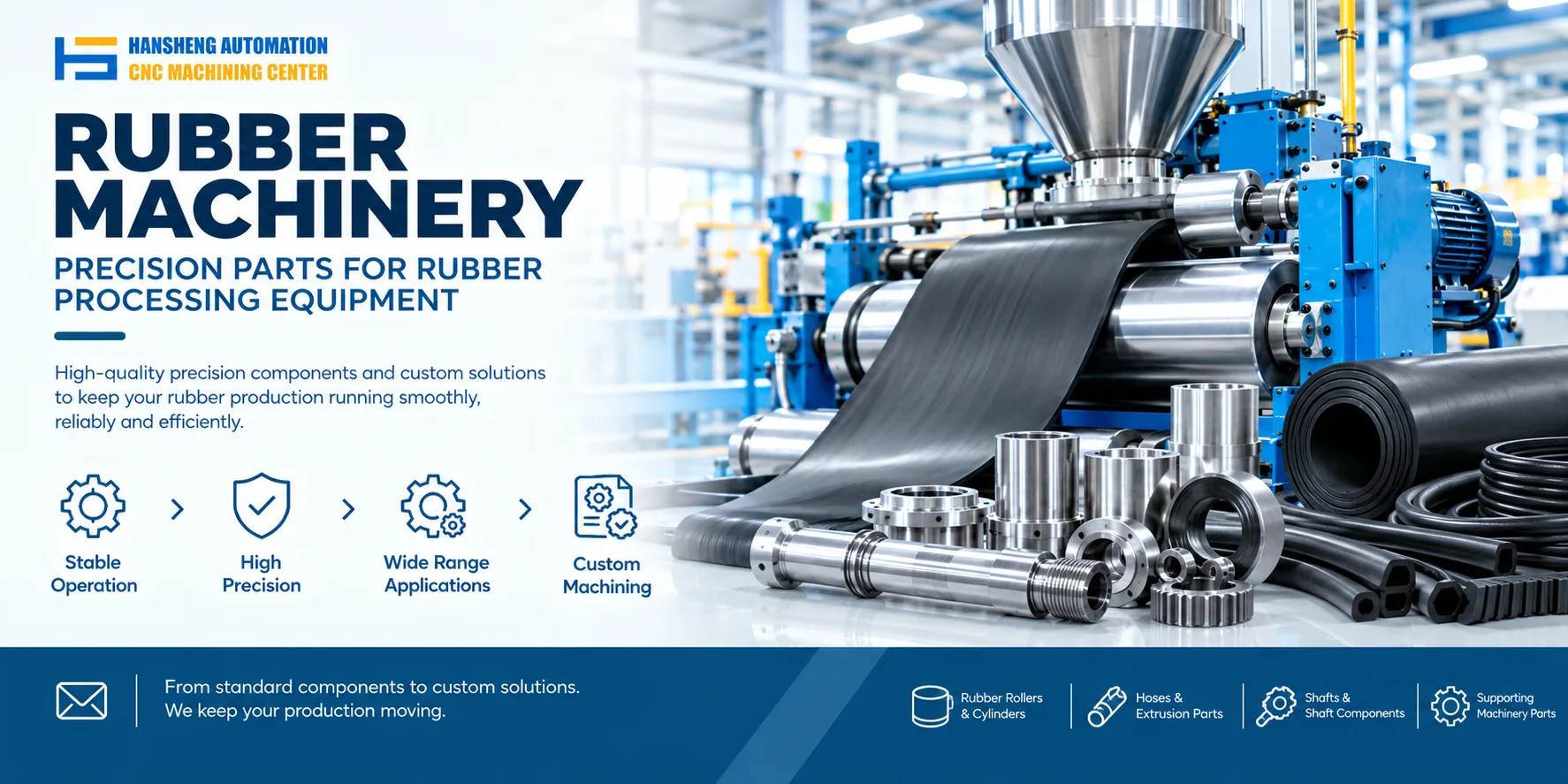
An internal mixer operates under repeated mechanical loads and constant contact with the processed material. Over time, the mixing chamber, rotor shafts, sealing components, and transmission parts can wear. Common problems include material leakage, worn components, cylinder air leakage, and faults in the tilting mechanism.
When maintaining or replacing internal mixer components, we assess the equipment structure, the condition of the worn parts, and the customer's drawings. Regular inspections and timely repairs can help reduce unplanned downtime and maintain stable equipment operation.
1. Routine maintenance of an internal mixer
Maintenance should be scheduled according to the operating frequency, working conditions, and manufacturer's instructions. Inspections should cover the lubrication system, fasteners, electrical components, and transmission mechanism, as well as the external surfaces of the machine.
1.1 Clean the mixing chamber and machine surfaces
Rubber compounds, additives, and other materials may remain in the mixing chamber and on related components after operation. If these residues accumulate, they can affect subsequent production and make cleaning more difficult.
Before cleaning, shut down the equipment and isolate all relevant energy sources according to the applicable safety procedures. Clean the accessible areas and inspect the mixing chamber, sealing surfaces, and rotor surfaces for material buildup, abnormal wear, or physical damage.
During cleaning, take care not to damage sealing surfaces or other precision mating areas.
1.2 Inspect the lubrication system
Bearings, gears, and other components that require lubrication should be serviced at the intervals specified by the equipment manufacturer.
Check the condition of the lubricating oil or grease, the oil supply, and any signs of leakage. If a component shows signs of inadequate lubrication or contamination, identify the cause before continued operation leads to further wear.
Internal mixers may use different lubrication arrangements. The lubricant type and quantity should therefore follow the requirements for the specific machine rather than general assumptions.
1.3 Check fasteners and connections
Vibration and repeated loading during operation may loosen bolts, nuts, and other fasteners. During routine maintenance, inspect the connections on the frame, transmission mechanism, and related assemblies.
Tighten loose fasteners according to the specified requirements. Replace any fasteners with damaged threads, deformation, or excessive wear to prevent further mechanical problems.
1.4 Inspect electrical and control components
The electrical system of an internal mixer may include motors, cables, solenoid valves, limit switches, and other control components. Their condition affects machine startup, shutdown, and movement.
Inspect cable connections, component condition, control signals, and relevant protective functions. If the machine responds incorrectly, produces unstable signals, or shows abnormal motor operation, use the electrical drawings and observed symptoms to identify the cause.
Electrical troubleshooting and repairs should be carried out by qualified personnel.
2. Common internal mixer repair work
When an internal mixer develops material leakage, pneumatic actuator problems, abnormal tilting movement, or transmission wear, first identify the faulty component. The appropriate repair may involve adjustment, component restoration, or replacement.
2.1 Mixing chamber and rotor repairs
The inner surface of the mixing chamber is exposed to material friction and mechanical loading. Sealing rings, alloy rings, and rotor shafts can also wear during extended operation.
Common repair work includes the following.
Sealing ring leakage
Inspect the sealing ring, mating surfaces, and installation arrangement to determine whether leakage results from seal wear, changes in clearance, or incorrect installation. Depending on the findings, the component may require adjustment, repair, or replacement.
Mixing chamber wear
Check the extent of wear on the chamber's inner wall and determine whether its dimensions have changed. For components suitable for restoration, weld repair followed by machining may be evaluated. If the damage is extensive, replacement may need to be considered.
Rotor shaft wear
Inspect the rotor shaft's working surfaces, mating areas, and critical dimensions. If weld repair is considered, assess the base material, the risk of thermal distortion, and the requirements for subsequent machining. The finished part must meet the dimensional and fit requirements specified for the application.
Alloy ring replacement
Inspect alloy rings for damage, excessive wear, or an inability to maintain the required sealing performance. When replacement is necessary, check the installation dimensions and mating conditions of the new components.
Internal mixers from different manufacturers may use sealing rings and alloy rings with different structures, dimensions, and fitting requirements. Before ordering or machining replacement parts, confirm the machine model, original component dimensions, and installation conditions. A dimensional mismatch can affect assembly and operation.
For replacement sealing rings, alloy rings, and related metal components, we can assess machining requirements based on customer drawings, measured dimensions, and technical specifications. Critical dimensions, sealing surfaces, and mating clearances should follow the equipment documentation or drawings approved for the project.
2.2 Cylinder air leakage
Some internal mixer mechanisms use pneumatic controls. A leaking cylinder, slow movement, or an inability to maintain pressure may result from worn seals, damage to the piston rod surface, loose air-line connections, or faults in other pneumatic components.
Inspect the following areas during maintenance:
Cylinder seals: Identify the leakage point and inspect the seals for aging, wear, or damage. Select replacement seals that match the cylinder's structure and specifications.
Cylinder body and connections: Check the piston rod, cylinder barrel, and air-line fittings for scratches, deformation, or loose connections. Further inspection may be required if damage is found.
Lubrication requirements: Maintain pneumatic components according to the manufacturer's instructions. Not all cylinders require additional lubricating oil, so follow the requirements of the specific cylinder and pneumatic system.
If leakage continues after the seals have been replaced, inspect the cylinder bore, piston rod, and related pneumatic components. Replacing a seal without addressing the underlying cause may not resolve the fault.
2.3 Solenoid valves, limit switches, and electrical components
Solenoid valves, limit switches, and electrical wiring may require inspection when the mixer fails to complete an operation, responds incorrectly to control signals, or cannot actuate a mechanism as expected.
Use the machine's electrical diagrams to check component condition and signal transmission. Repair or replace components with damaged contacts, faulty coils, damaged wiring, or other defects. Replacement parts should match the required model, electrical ratings, and installation specifications.
After replacement, check the wiring, installation position, and feedback signals to confirm that the component operates as required.
Electrical faults are not always the only cause of abnormal movement. Mechanical binding or pneumatic problems may produce similar symptoms, so troubleshooting should account for the machine's complete operating sequence.
2.4 Tilting motor, copper worm wheel, and worm repairs
The tilting mechanism drives the relevant parts of the internal mixer through a motor and transmission assembly. Its operating condition depends on the motor, the reduction mechanism, and the associated mechanical connections.
Common repair work includes the following.
Tilting motor inspection
Check the motor's operating noise, temperature rise, connections, and output. If the motor is difficult to start, produces unusual noise, or runs irregularly, inspect the motor and the load imposed by the transmission mechanism.
Copper worm wheel and worm inspection
Inspect the tooth surfaces for wear and pitting, check the meshing clearance, and verify the lubrication condition. If wear affects transmission accuracy or normal operation, evaluate whether adjustment, repair, or replacement is appropriate.
Bearing and connection inspection
Check the bearings, mounting fits, and fasteners. Loose connections, damaged bearings, or assembly errors may cause abnormal vibration and transmission problems.
When a tilting mechanism fails, repairing the visibly damaged component may not address the cause. Loose fasteners, bearing damage, and incorrect assembly can change the load distribution within the mechanism. Excessive resistance from the rubber compound or foreign objects entering the equipment may also increase the transmission load.
After repairs, check the transmission clearance, lubrication, and movement according to the equipment requirements. Conduct a test run only after confirming that the equipment is safe to operate.
3. Points to consider when repairing an internal mixer
The purpose of maintenance is not simply to restore movement or eliminate an immediate symptom. Repairs should also account for component dimensions, assembly relationships, and the underlying cause of the failure.
Before starting work, identify the faulty area and record the wear condition of the relevant components. For sealing rings, alloy rings, rotor shafts, and worm drive components, pay particular attention to the original dimensions, mating relationships, and actual damage.
The repair method should be selected according to the component structure and material properties. Weld repair, machining, and component replacement are not suitable for every type of damage. Parts subject to thermal distortion or those with precision mating surfaces require an assessment of process feasibility before repairs begin.
When replacement non-standard components are needed, provide the equipment model, component drawings, critical dimensions, material requirements, and relevant operating conditions whenever possible. If the original drawings are unavailable, physical measurement and dimensional verification may help establish the information required for machining.
Machining tolerances, surface treatments, and inspection requirements should be determined according to the component's function and the customer's technical documentation.
4. Custom machining for internal mixer components
Some internal mixer wear parts are not interchangeable standard components. Differences in equipment models may affect component structures, dimensions, and installation requirements. When original spare parts are difficult to source, a replacement component is required, or the original drawing is unavailable, custom machining may be a practical option for evaluation.
We can assess the machining of sealing rings, metal rings, shafts, and other mechanical components based on customer engineering drawings, dimensional requirements, and intended operating conditions. For components with critical mating dimensions, material specifications, or surface treatment requirements, we review the relevant technical information before confirming the machining requirements. This helps reduce assembly problems caused by dimensional mismatches.
Hansheng Automation also provides custom precision machining for components used beyond rubber processing equipment. Our work may include non-standard metal parts for tobacco packaging machinery, filling equipment, and printing machinery, as well as precision structural components for yacht equipment and RC racing cars. Customers can submit their drawings and technical requirements for machining assessment.