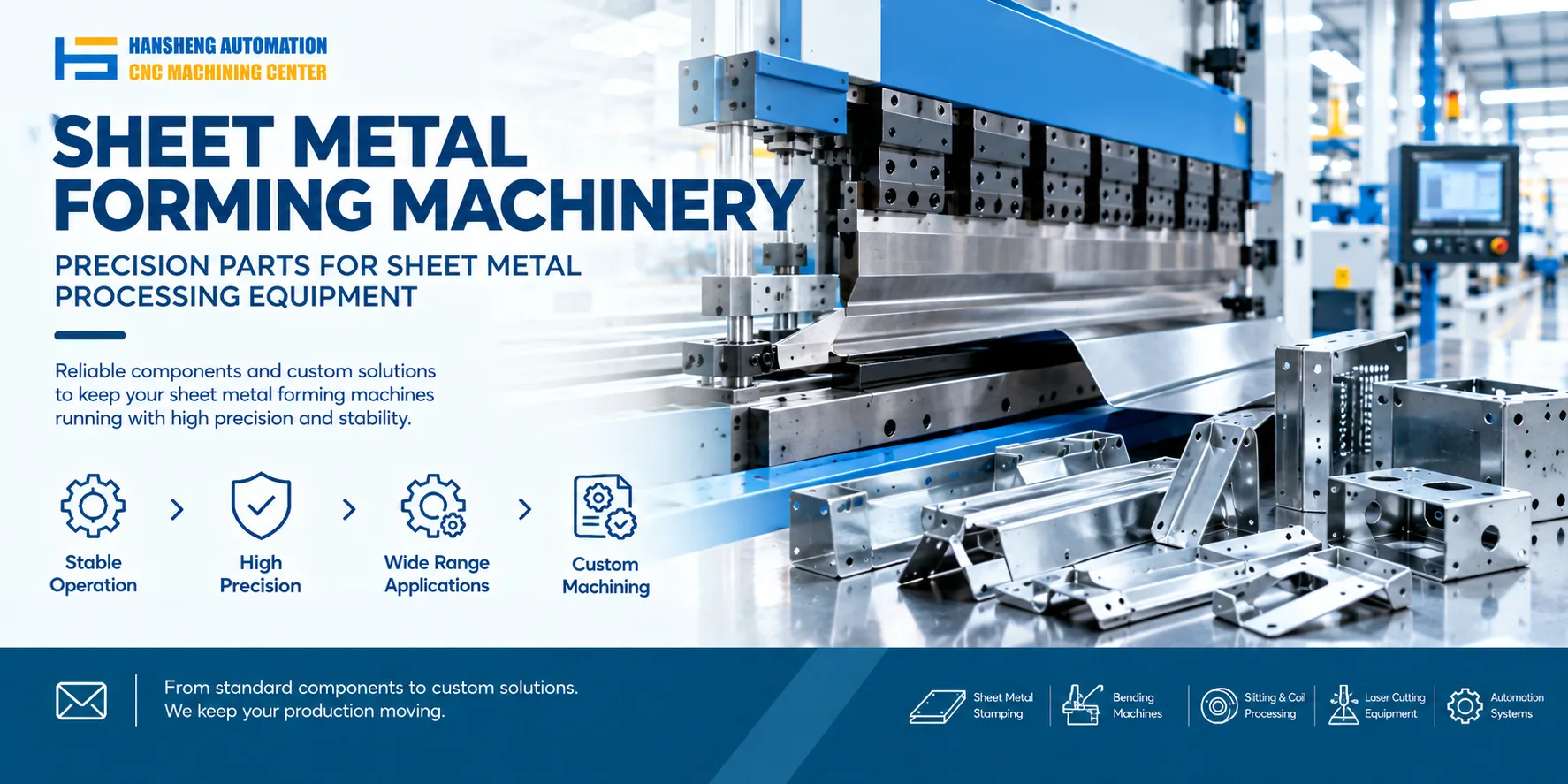
Routine maintenance for a high-speed CNC press brake can be organized into daily, weekly, monthly, and quarterly tasks. Regular inspections help identify wear, contamination, loose fasteners, and lubrication problems before they affect machine performance.
Lubrication requirements vary by component. Guide rails, ball screws, hydraulic systems, and servo gearboxes require suitable lubricants and specified application quantities. Follow the machine manufacturer's maintenance manual for the actual inspection intervals, oil grades, and lubrication amounts.
Daily maintenance
Complete a brief inspection during the 5 minutes before startup and the 5 minutes after shutdown.
Remove metal chips and debris from the worktable, guide rails, sliders, and tooling.
Check whether the hydraulic system pressure remains stable within 12 to 16 MPa, provided this range matches the machine's rated specifications. The manufacturer's specified pressure takes precedence.
Check the CNC control system and power unit for unusual operating sounds. Inspect accessible wiring and connectors for signs of looseness or damage. Internal electrical inspections must be performed by qualified personnel after the power supply has been isolated.
Weekly maintenance
Check the ram locking screws and die clamping plate screws for looseness. Tighten them according to the manufacturer's torque specifications.
Remove dust from the optical linear scale and encoder surfaces using the manufacturer's approved cleaning method. Use anhydrous alcohol only if the component manufacturer permits it. Use suitable lint-free cleaning materials and avoid damaging the reading head or optical surfaces.
Check the hydraulic oil level. If replenishment is necessary, use oil that meets the specified type and grade. Do not mix products from different brands unless their compatibility has been confirmed by the equipment manufacturer.
Monthly maintenance
Remove metal chips and contamination from the ball screws and linear guides. Use the cleaning method recommended by the component manufacturer. Avoid directing compressed air into seals, bearing assemblies, or other areas where it could force contaminants into the moving components.
Apply the specified lithium-based grease, with NLGI 2 consistency where required by the component specification. The original maintenance guideline suggests a grease quantity equivalent to 1/2 to 2/3 of the internal cavity volume. This must be verified against the ball screw or guide manufacturer's instructions, because the required quantity varies by component design. Excessive grease can increase heat generation and operating resistance.
Inspect and clean the hydraulic return filter if its design permits cleaning. Replace the filter element earlier than scheduled if contamination is excessive or the manufacturer's criteria require replacement.
Check the bending angle accuracy using the prescribed inspection procedure. If the measured error exceeds the permitted tolerance, investigate the cause before adjusting the CNC parameters.
Quarterly maintenance
Remove the end covers from the ram and guide assemblies when required by the maintenance procedure. Remove accumulated wear debris and replace damaged or ineffective dust seals. This work should be performed by qualified maintenance personnel.
Check the hydraulic system for internal leakage. Inspect the cylinders, valve assemblies, and seals for signs of deterioration or malfunction.
Check the lubrication condition of the servo gearbox. Replenish the specified gear oil, listed in the original maintenance plan as ISO VG220, and check the level against the sight glass. The original guideline places the oil level at 1/2 to 2/3 of the viewing window. Confirm the correct level for the actual gearbox before adding oil.
Lubrication requirements
The following lubricant grades are listed in the original maintenance plan. They should be treated as equipment-specific requirements rather than universal specifications.
| Component | Lubricant or specification |
|---|---|
| Linear guide rails | CNC way oil, ISO VG68 |
| Ball screws | Lithium-based grease, NLGI 2 where specified |
| Hydraulic system | Anti-wear hydraulic oil, ISO VG46 |
| Servo gearbox | Gear oil, ISO VG220 |
Do not replace specified way oil with ordinary machine oil. Do not mix different lubricant types or grades. When changing lubricant brands, confirm compatibility and follow the manufacturer's instructions for draining, cleaning, and refilling the system.
Safe lubrication procedures
Before lubrication, stop the machine, isolate the relevant power sources, and release hydraulic pressure according to the prescribed maintenance procedure. Never work on a pressurized hydraulic circuit.
Clean the lubrication points and surrounding surfaces before applying lubricant. Keep dust, metal chips, and other contaminants out of guideways, ball screws, bearings, and hydraulic components.
Maintenance involving high-pressure hydraulic systems or precision machine components should be carried out by qualified personnel with the appropriate training. Incorrect servicing can cause high-pressure oil injection injuries or damage to precision components.
Lubrication practices to avoid
Excessive lubrication can increase resistance and heat generation in ball screws and other moving components. Insufficient lubrication can also accelerate wear. Apply the specified quantity at the recommended interval rather than adding grease indiscriminately.
Do not mix incompatible oils or greases. Changes in lubricant composition can affect lubrication performance and component service life.
Custom precision machining for industrial equipment
Beyond sheet metal processing equipment, Hansheng Automation provides custom precision machining based on customer drawings. Our work includes precision components for yacht equipment and RC racing cars, as well as nonstandard parts for tobacco packaging machinery and filling machinery. Each component is manufactured according to the supplied drawings and the specific requirements of the application.