Correct operation of a cable drum stand involves pre-use inspection, secure drum installation, adequate safety protection, controlled cable payout, and proper shutdown. Following these steps helps prevent equipment overloading, cable damage, and the risk of the drum falling from the stand.
1. Inspect the Equipment Before Use
Before installing a cable drum, check the stand and its safety devices to confirm that they are in good working condition.
Check the stand and its components
Inspect the support legs, rollers, braking system, and retaining pins. Make sure there are no loose connections, visible deformation, or damaged components.
Check the stand's rated load capacity before loading the drum. The combined weight of the cable drum and cable must remain within the specified limit. Never overload the equipment.
Test the brake and anti-drop locking mechanism to make sure they operate correctly and engage securely. Do not use the stand if any safety device is damaged or fails to function.
2. Install and Secure the Cable Drum
Correct drum installation helps maintain stability during cable payout and reduces the risk of movement or tipping.
Position the drum on the support shaft
Place the cable drum on the stand's support shaft, aligning the drum bore with the shaft. Adjust the support legs as needed to keep the drum level and prevent uneven loading, which could cause the stand to tilt.
Lock the drum in position
Install the retaining plates on both sides of the drum to prevent unwanted axial movement. Tighten the support shaft locking bolts and check that all locking components are secure before starting the operation.
Do not loosen the locking bolts while the equipment is in use.
3. Control the Cable Payout Process
Cable payout requires a clear work area, suitable protective measures, and a steady pulling speed.
Set up the safety area
Place warning signs around the cable payout area and keep unauthorized personnel away from the operating zone.
For large cable drums, install an anti-drop restraint rope or an appropriate retaining device. Allow sufficient rope slack for normal operation while ensuring that the drum cannot fall from the stand.
Pay out the cable at a steady speed
Cable can be pulled manually or by a suitable pulling device. The recommended payout speed specified in this guidance is 5 to 10 m/min. Avoid sudden pulling or jerking, which may damage the cable or destabilize the equipment.
Assign an operator to monitor the process. Watch for contact between the cable and the ground, sharp edges, or other surfaces that could damage its insulation or exterior.
If the cable becomes caught or the drum encounters resistance, stop the operation and identify the cause. Do not force the cable through the obstruction, as excessive pulling force can damage both the cable and the stand.
4. Shut Down and Store the Equipment
After cable payout is complete, secure the drum and return the equipment to a safe condition.
First, engage the braking mechanism and secure the drum again. Remove cable offcuts, tools, and other materials from the work area. Retract or fold the support legs according to the stand's design and operating instructions.
Inspect the stand for loose fasteners, damaged components, or other visible problems before storage. Keep the equipment in a dry, well ventilated area, away from prolonged direct sunlight and moisture.
5. Custom Machining for Cable Handling Equipment
The performance and service life of cable handling equipment also depend on the quality of its mechanical components. Mounting brackets, shafts, support parts, and connecting components need suitable dimensions, material properties, and tolerances to fit their intended assemblies.
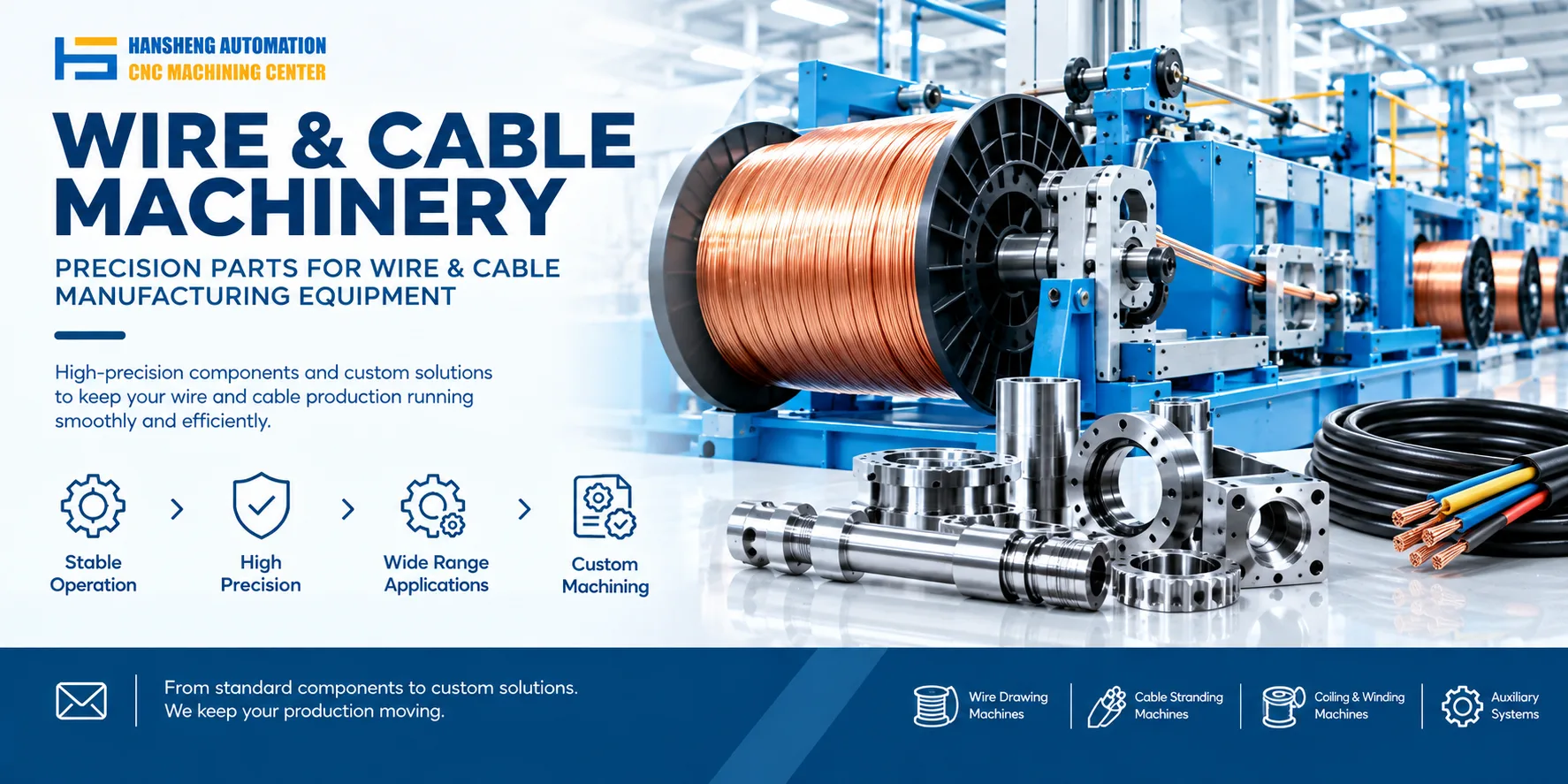
Hansheng Automation provides custom precision machining based on customer drawings. We can evaluate component geometry, material requirements, and dimensional tolerances before selecting an appropriate machining process for individual prototypes or small batch orders.
Our custom machining work also covers components for filling and packaging machinery, tobacco processing equipment, yacht systems, and RC racing cars. Customers can provide drawings and technical requirements for non-standard mechanical parts, and we will assess the manufacturing process according to the component's design and application.