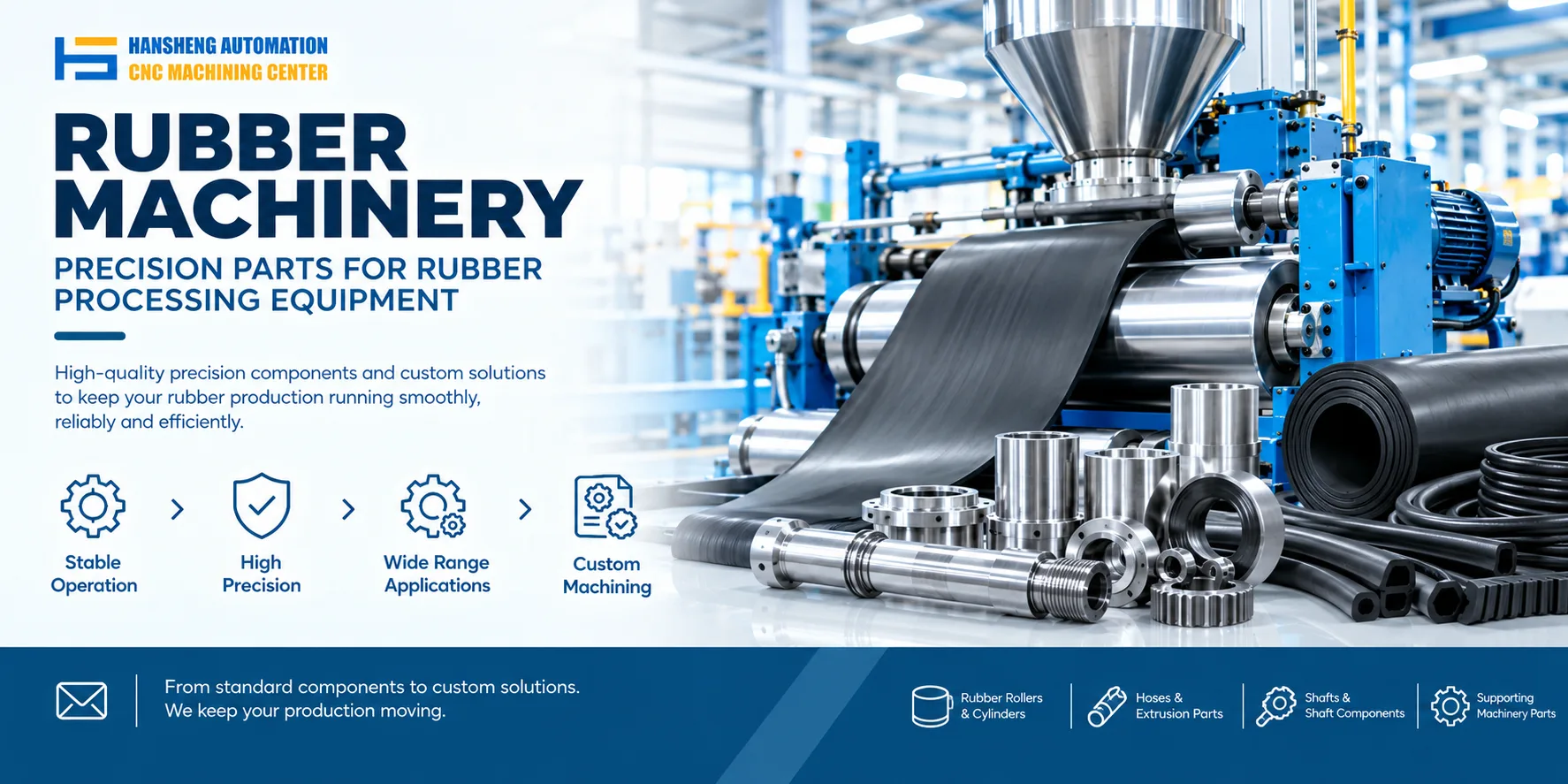
Bonding rubber to an internal mixer discharge door requires proper surface preparation, adhesive selection, application, and curing. The adhesive must suit the rubber material and operating conditions, and each stage should follow the specified process to achieve reliable bonding.
1. Rubber bonding procedure
1.1 Preparation
Remove residual material, oil, old adhesive, and other contaminants from the discharge door surface using a suitable solvent. Select an adhesive compatible with the rubber material and follow the manufacturer's instructions for mixing and preparation.
Prepare the required tools, including brushes and abrasive paper, before starting the bonding process.
1.2 Surface preparation
Abrade the bonding area with sandpaper to increase surface roughness and improve adhesive attachment. Clean the surface again after sanding to remove dust and loose particles that could interfere with bonding.
1.3 Adhesive application
Apply the adhesive evenly using a cross-brushing technique. The reference specifies an adhesive layer thickness of 0.2 to 0.5 mm.
For large bonding areas, work in sections to prevent the adhesive from setting before the rubber is positioned.
1.4 Positioning and pressing the rubber
Align the rubber material with the intended bonding area on the discharge door. Press from the center outward to remove trapped air. A scraper held at an angle of 45° can be used to help expel air from beneath the rubber.
Pay particular attention to corners and edges. Insufficient pressure in these areas may cause the rubber to lift or peel away.
1.5 Adhesive curing
Follow the specified curing schedule for the selected adhesive. Temperature and curing time depend on the adhesive system. For example, the source gives an epoxy adhesive that requires a constant temperature of 80°C for two hours.
For natural curing, use a dust cover to protect the bonding area and maintain ambient humidity below 60%.
2. Important precautions
2.1 Select an adhesive suitable for the operating conditions
The adhesive should meet the mechanical, thermal, and chemical requirements of the application. The supplied reference specifies the following selection criteria:
|
Property |
Reference requirement |
|---|---|
|
Shear strength |
≥15 MPa |
|
Temperature resistance |
Operating temperature plus a 20% margin |
|
Media resistance |
Resistance to oil penetration and contamination |
Polyurethane adhesives are suitable for areas exposed to dynamic loads, while silicone rubber adhesives are better suited to high temperature conditions, according to the source reference.
2.2 Control the bonding process
The adhesive's open time must be observed. The reference specifies that the rubber should be positioned and bonded within 15 minutes of adhesive application.
During the initial curing stage, apply a pressure of 0.2 to 0.5 MPa. After complete curing, use ultrasonic inspection to check the integrity of the adhesive layer. If the detached area exceeds 5%, the bonded section should be reworked.
2.3 Prepare for emergencies
Keep a suitable fast acting solvent, such as acetone, available for cases where the rubber is misaligned during bonding. Provide emergency ventilation to prevent the accumulation of harmful vapors.
A fire sand box and an eyewash station must be available within a 3 m working radius. Solvents and adhesives should be handled according to their specified safety requirements.
3. Custom machining for rubber machinery components
Bonding repairs may need to be combined with the replacement or remanufacture of worn mechanical components, depending on the condition of the discharge door and its associated parts.
Hansheng Automation provides custom precision machining assessments based on customer drawings and technical requirements. Our services cover suitable non-standard metal components for rubber processing equipment, tobacco packaging machinery, and filling machinery. We also support custom parts for yacht equipment and RC racing cars, subject to drawing review and machining feasibility.