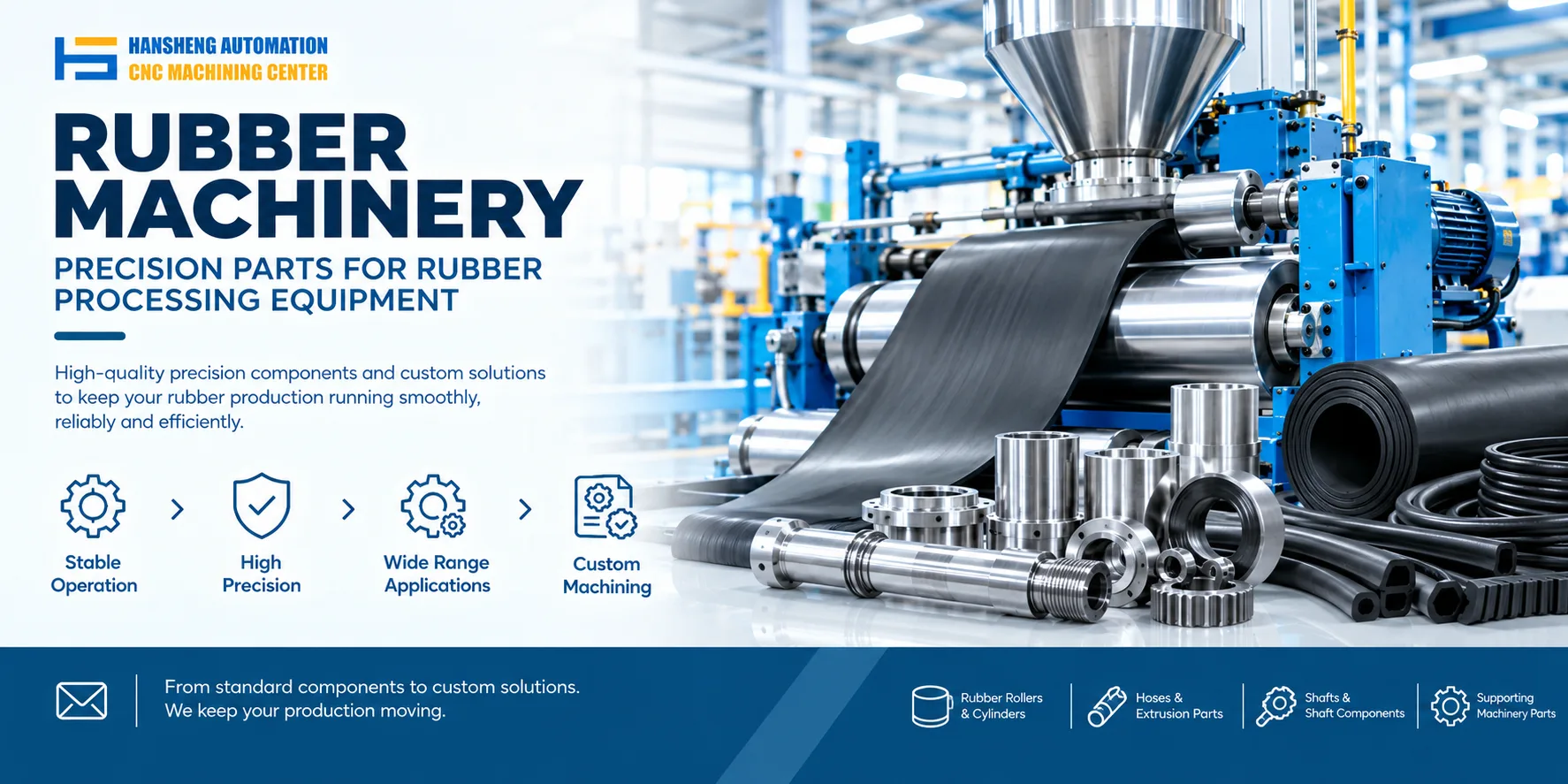
An open mixing mill and a plastic sheet press differ mainly in their classification, functions, machine configuration, and applications. An open mixing mill can handle several material processing operations, while a plastic sheet press is designed primarily for forming plastic materials into sheets.
1. Classification and applications
Open mixing mill
Open mixing mills can be classified into rubber open mills and plastic open mills according to the materials being processed. Depending on their intended use, related mill types include warming mills, sheeting mills, rubber breaking mills, and refining mills.
These machines are used for processing rubber or plastic compounds and preparing materials for subsequent manufacturing operations.
Plastic sheet press
A plastic sheet press is primarily used to form plastic materials into sheets through a rolling or pressing process. It is a specialized piece of plastic processing equipment and generally has a narrower range of applications than an open mixing mill.
2. Machine configuration and functions
Open mixing mill
Open mixing mills share a similar basic structure, although motor power, roll speed ratio, and other operating parameters vary according to the intended application.
Depending on the machine configuration, an open mill can be used for mixing, plasticizing, calendering, and sheeting rubber or plastic materials. The specific operations depend on the equipment design and the material being processed.
Plastic sheet press
A plastic sheet press is designed specifically for forming plastic materials into sheets. Its configuration focuses on maintaining dimensional accuracy and surface quality to meet the requirements of the finished plastic product.
The required machine settings depend on the material properties and the target sheet dimensions.
3. Typical applications
Open mixing mills are widely used in the rubber and plastics industries to process raw materials and prepare compounds for further production.
Plastic sheet presses are more commonly used in production lines for plastic films, sheets, and boards. They serve a more specialized role in plastic forming processes.
4. How to choose between the two machines
The choice depends on the material, processing requirements, and finished product.
An open mixing mill is suitable when the process requires mixing, plasticizing, or sheeting and the selected machine supports those operations. A plastic sheet press is more appropriate when the main objective is to form plastic material into sheets with specified dimensions and surface characteristics.
Before selecting equipment, confirm the material type, required processing steps, and dimensional requirements of the finished product.
5. Custom machining for industrial machinery components
In addition to rubber and plastic processing equipment, Hansheng Automation provides custom machining assessments for precision mechanical components based on customer drawings and technical specifications. Our services can cover non-standard metal parts for packaging machinery, filling equipment, and tobacco machinery, as well as precision components for yacht equipment and RC racing cars. Customers can submit drawings and dimensional requirements for an assessment of machining feasibility.