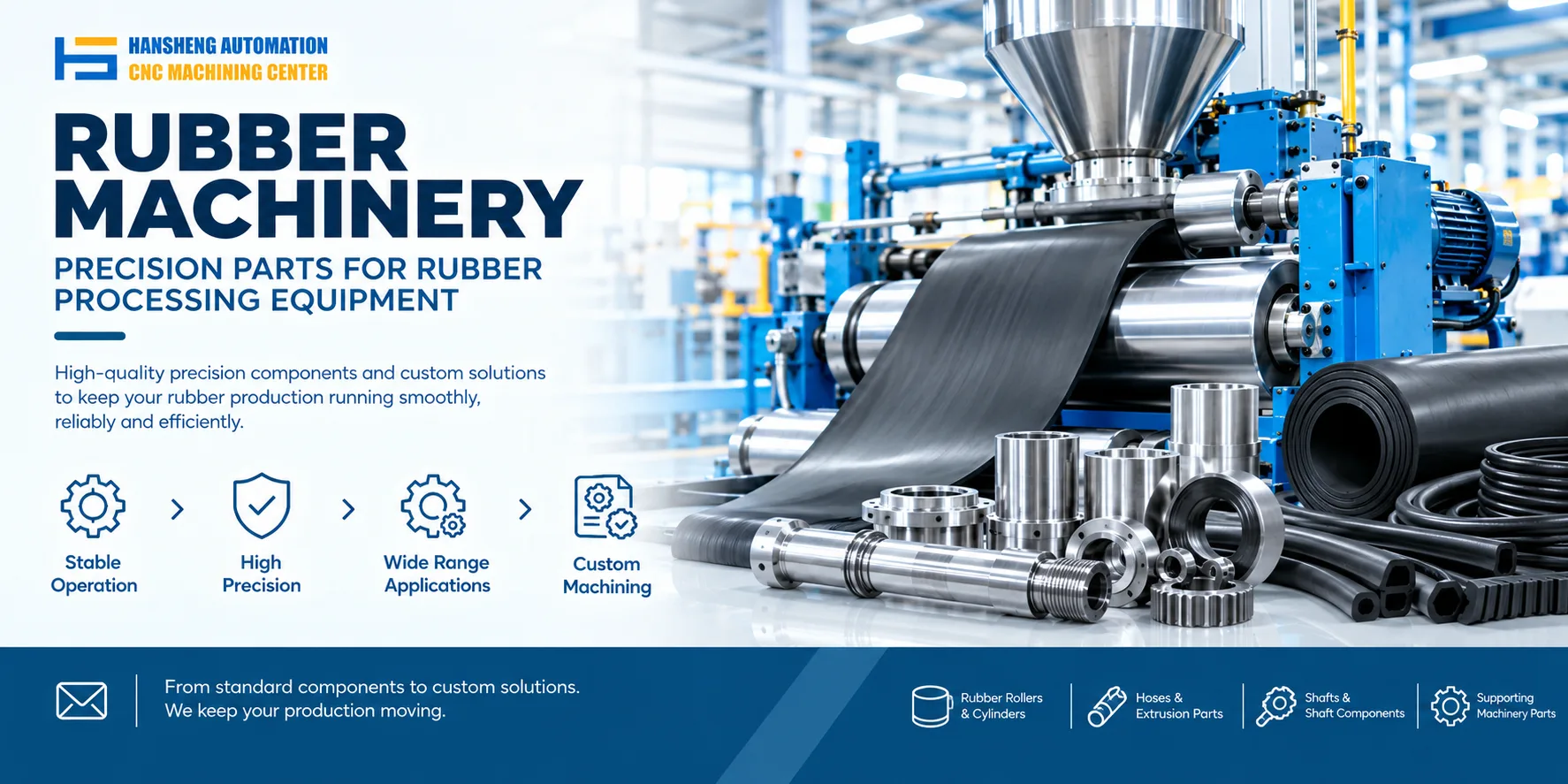
PVC calender setup involves controlling roll temperature, roll gap, rotational speed, and material formulation to ensure uniform plasticization and produce PVC films or sheets with consistent thickness. Proper adjustment helps maintain product quality and ensures that the finished material meets the requirements of downstream production processes.
Basic principles of PVC calender setup
A PVC calender uses several pairs of counter rotating steel rolls to continuously press heated and plasticized PVC material into films or sheets of a specified thickness.
Setup involves adjusting the main operating parameters before startup and fine tuning them during production. These adjustments compensate for equipment wear, variations in material properties, and changes in ambient temperature and humidity. The objective is to maintain the required thickness, flatness, and degree of plasticization.
Key setup procedures and their operating principles
Roll temperature adjustment
A typical calender has 5 to 7 roll sections, with a gradual temperature profile generally ranging from 160°C to 190°C. The feed side rolls are set at slightly lower temperatures to prevent the material from sticking prematurely. The downstream rolls operate at slightly higher temperatures to support stable forming.
During setup, temperature is controlled through a heat transfer oil or electric heating system. The PVC resin gradually absorbs heat as it passes between the rolls, transitioning from a glassy state to a highly elastic state and then to a viscous flow state.
This gradual heating helps prevent hard spots, bubbles, and thermal degradation caused by excessive plasticization.
Roll gap adjustment
The gap between each pair of calender rolls must be adjusted according to the required product thickness. Hydraulic or mechanical screw adjustment mechanisms are commonly used to set the gap.
For example, when producing PVC film with a thickness of 0.1 mm, the roll gap should be controlled within 0.08 to 0.12 mm.
During production, a thickness gauge provides real time feedback on thickness deviations. Operators can use these measurements to make fine adjustments to the roll gap. The pressure between the rolls spreads the plasticized PVC evenly, helping maintain a thickness tolerance of ±5% across the full sheet width.
Roll speed synchronization
The rotational speeds of the roll sections must maintain the required speed ratio. In general, roll speed increases progressively from the feed section to the discharge section to prevent material accumulation or breakage between the rolls.
During setup, the calender speed must also be matched to the output rate of the extruder. Synchronizing material feed with calender throughput helps prevent material shortages and excessive accumulation.
Tension control and product forming
After calendering, the PVC sheet passes through haul off rolls and a sizing table to further control flatness and thickness.
Setup requires adjustment of the haul off roll speed and the air flow or cooling temperature of the sizing table. The freshly calendered sheet must cool and stabilize promptly to reduce defects such as uneven shrinkage and waviness.
Key precautions during setup
Before startup, preheat the rolls to their specified temperatures and maintain those temperatures for 15 to 30 minutes. This helps prevent uneven heating from causing deformation of the roll surfaces.
During setup, operators must wear protective gloves and safety goggles to reduce the risk of burns from splashes of hot, plasticized material.
PVC compounds with different hardness levels require different roll temperature and gap settings. Softer PVC generally requires lower roll temperatures and a larger roll gap, while rigid PVC requires higher roll temperatures and a smaller gap. The actual settings should be selected according to the material formulation and production requirements.
Custom precision component machining services
Beyond rubber and plastics processing equipment applications, Hansheng Automation provides custom machining of precision components according to customer supplied drawings. Our services include precision parts for yachts and RC racing cars, as well as nonstandard components for tobacco packaging and filling machinery. We manufacture components to customer specified dimensions and drawing requirements for different industrial applications.