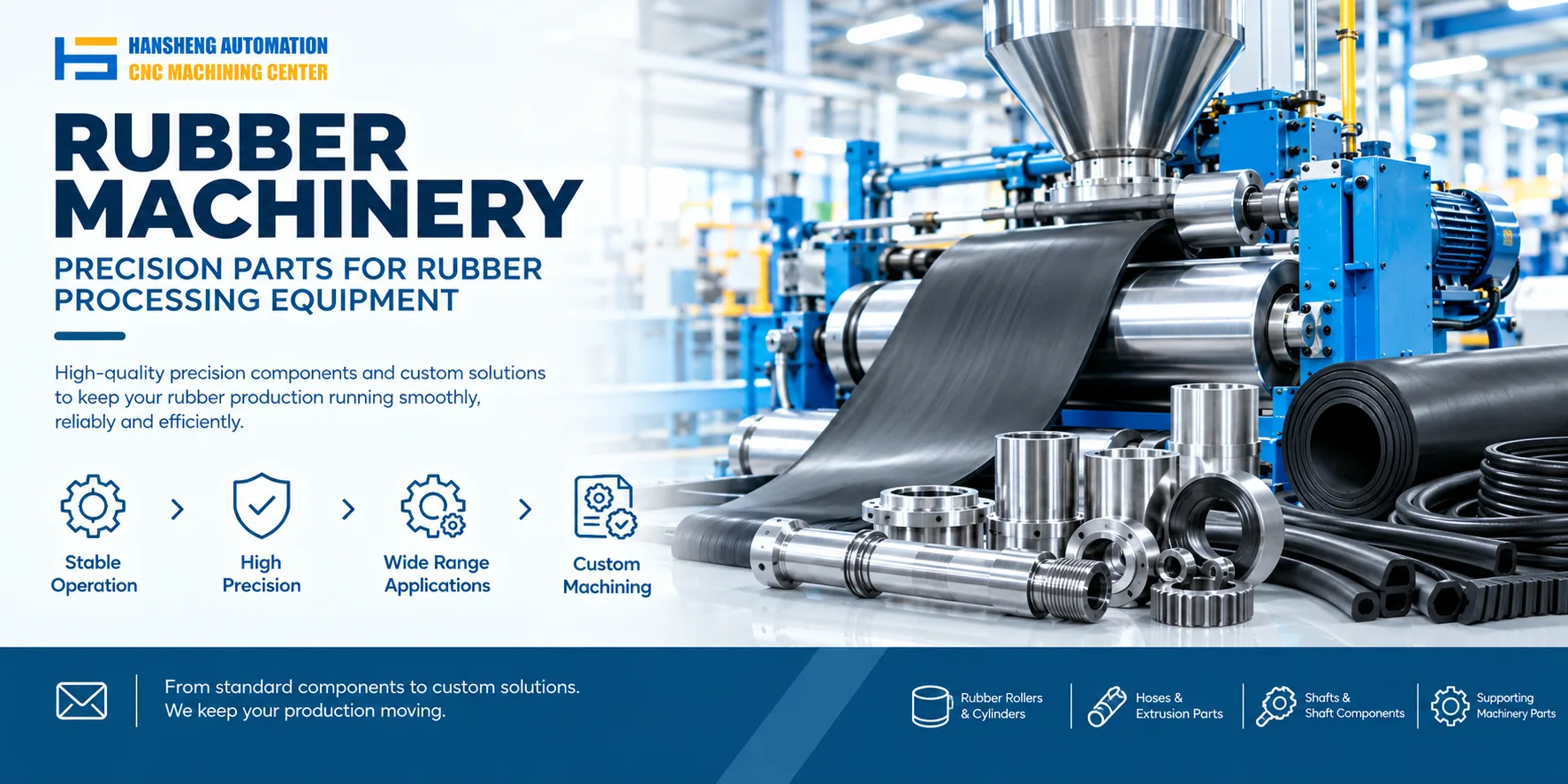
A calender can process CPVC, but the process has significant limitations and technical challenges. Chlorinated polyvinyl chloride (CPVC) behaves differently from conventional PVC during processing. Although calendering is technically possible, extrusion is generally the preferred method for CPVC products.
Calendering suitability for CPVC
CPVC has low melt strength and a narrow processing temperature window. Its thermal decomposition temperature is approximately 210°C, while the processing temperature typically ranges from 205 to 215°C. These conditions place high demands on calender temperature control, roll surface temperature, and pressure distribution.
A conventional PVC calender requires several modifications before it can process CPVC reliably.
Temperature control: The roll temperature control system needs to maintain accuracy within ±1°C to prevent localized overheating and material decomposition.
Roll material: Bimetallic alloy rolls, such as those made from boron cast iron, can improve thermal conductivity and corrosion resistance.
Exhaust ventilation: CPVC processing can release hydrogen chloride (HCl) gas. The equipment therefore requires improved ventilation and corrosion protection.
Calendering versus extrusion
Calendering and extrusion differ in temperature control, product dimensions, production speed, and equipment modification costs.
| Comparison factor | Calendering | Extrusion |
|---|---|---|
| Temperature control | Relatively limited, with a risk of material degradation at the edges | Screw shear heating can be controlled, allowing more precise temperature regulation |
| Product thickness | Suitable for thick sheets, typically 0.5 to 3 mm | Suitable for thin walled pipes and sheets, typically 0.1 to 5 mm |
| Production speed | Continuous production at 10 to 30 m/min | High speed continuous production, reaching up to 50 m/min |
| Equipment modification cost | High, because the temperature control system requires substantial upgrades | Low, when a standard CPVC screw is used |
Extrusion is generally more suitable for CPVC because the process allows more effective control of material flow and processing temperature. Calendering may still be used for specialized sheet products when the required equipment and process conditions are available.
Key calendering process parameters
When calendering CPVC, roll speed, roll temperature, and feed material viscosity require close control.
The roll speed ratio should be maintained at 1:1.2 to 1.5 to avoid excessive shear.
The specified roll surface temperatures are:
| Roll position | Surface temperature |
|---|---|
| Middle roll | 195 ± 2°C |
| Upper roll | 200 ± 2°C |
| Lower roll | 190 ± 2°C |
The feed material melt viscosity should be maintained at 1.5 to 2.0 × 10⁴ Pa·s, measured at 160°C.
These parameters define the process conditions described here. Actual settings should be matched to the CPVC formulation and the equipment configuration.
Current applications of CPVC calendering
CPVC products, including fire protection pipes and industrial sheets, are primarily manufactured by conical twin screw extrusion. Calendering is used for a smaller range of specialized sheet products, such as corrosion resistant gaskets.
According to the 2023 data cited from the plastics processing industry association, calendering accounted for less than 5% of CPVC product manufacturing. The stated reasons include high equipment modification costs and a lower finished product yield. The reported yield is approximately 85% for calendering, compared with 95% for extrusion.
Safety precautions during CPVC processing
CPVC can decompose and release hydrogen chloride gas when the processing temperature exceeds 220°C. The production area must be equipped with a dedicated exhaust ventilation system, and operators must use appropriate protective equipment.
Careful temperature monitoring is necessary to reduce the risk of material decomposition and exposure to hazardous gases.
Custom precision component machining services
Beyond rubber and plastics processing equipment applications, Hansheng Automation provides custom machining of precision components according to customer supplied drawings. Our services include precision components for yachts and RC racing cars, as well as nonstandard parts for tobacco packaging and filling machinery. We manufacture components to specified drawing dimensions and requirements for different industrial applications.