Drum drying in a coating machine heats the drum surface. When the coating material contacts the hot drum, water or solvent evaporates quickly. A doctor blade or squeeze roller controls coating thickness. The result is continuous, even drying and film formation.
Working principle
The coating material is applied evenly to the drum surface by the feed system. Steam at 0.2-0.8 MPa or heat transfer oil at 80-200°C runs inside the drum. Heat conduction warms the outer wall. Solvent or water in the material evaporates quickly on the hot drum surface. A stripping roller separates the dried film from the drum.
Parameter control
Temperature: set by material. Water-based coating usually runs at 80-120°C. Solvent-based coating needs explosion-proof design and runs at 100-180°C.
Drum speed: line speed is usually 5-30 m/min. Contact time adjusts drying and is generally 0.5-3 seconds.
Coating thickness: controlled by doctor blade gap or die extrusion pressure. Common thickness range is 10-200 μm.
Heat source efficiency: steam-heated drum surface temperature difference must stay within ±2°C for even drying.
System components
Heating drum: usually stainless steel or chromium phosphorus copper, with hard chrome plating 0.1-0.2 mm thick to improve wear resistance and heat transfer.
Doctor blade system: pneumatic or hydraulic pressure control, common range 0.1-0.5 MPa, accuracy needs to reach ±0.01 mm.
Ventilation system: equipped with solvent recovery or exhaust treatment. VOCs emissions must meet GB 37822-2019.
Tension control: PID closed-loop control, deviation less than ±2% of rated tension.
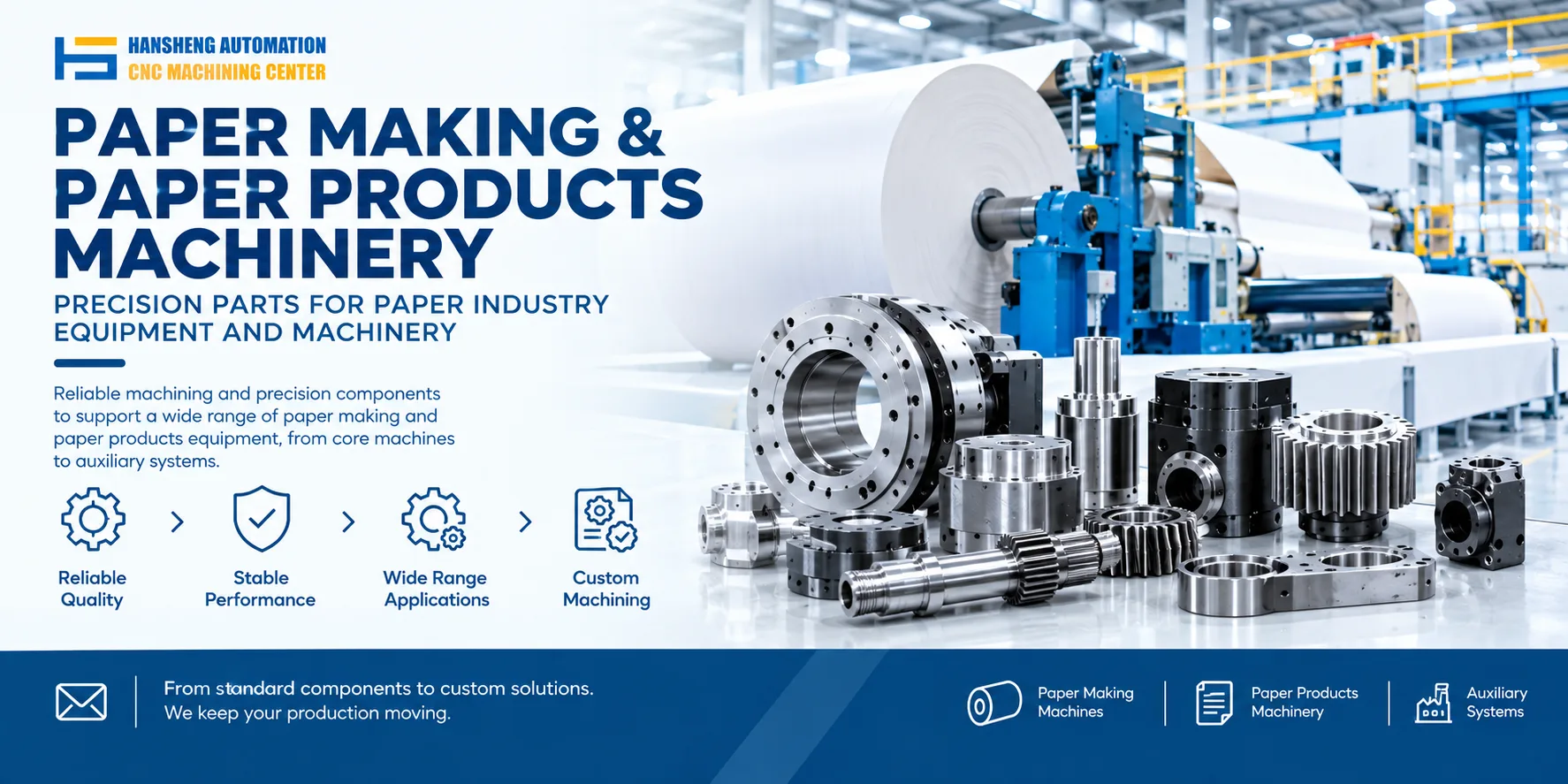
When coating rollers, doctor blades, or related precision parts need replacement, we machine them from customer drawings in single pieces or small batches.
Advantages and limits
Advantages: high drying rate, up to 100-400 g/m²·min. Heat energy utilization >70%, about 25% more energy efficient than hot air drying. It suits high-solid coating.
Limits: not suitable for heat-sensitive materials such as some polymer films. The drum surface needs regular polishing. After every 2,000 to 4,000 hours of operation, hard chrome plating needs to be renewed.
Applications
Main uses include lithium battery electrode coating at 100-130°C, optical film coating with temperature accuracy of ±1°C, textile coating, and papermaking. Lithium battery coating machine drum width can reach 1,650 mm. Drying rate requirements are ≥120 m/min according to the Ministry of Industry and Information Technology's "Lithium-ion Battery Industry Standard Conditions (2024)".
Safety
Solvent-based coating needs explosion-proof motors rated Ex d IIB T4 and an LEL concentration monitor. When drum surface temperature exceeds the material flash point, an inert gas protection system must start. Operators need antistatic equipment. Equipment grounding resistance must be less than 4Ω.
Beyond drum drying equipment, Hansheng Automation also machines non-standard parts for printing machinery, medical devices, food machinery, yacht hardware, RC car components, tobacco packaging machinery, and filling machinery. We support single-piece and small-batch production from customer drawings. We focus on precision parts machining and delivery, which helps maintenance and replacement across different industries.