A coating machine runs surface coating processes for PET film, release film, optical film, and similar products in volume production. Daily maintenance and cleaning protect normal operation and extend service life.
Daily maintenance
Fastening and inspection: within one week of installation, check and tighten drive and moving parts, then add oil. After that, inspect and maintain the machine monthly. Check screws at each position regularly to prevent loosening and keep the machine stable.
Electrical protection: keep electrical parts away from water, moisture, corrosion, and rodents. Keep the control cabinet and terminal blocks clean. Environmental factors can cause electrical faults and stop normal operation.
Shutdown procedure: when stopping the machine, keep the two heat sealing rollers open. This prevents damage to packaging material and reduces waste.
Trained operators only: assign fixed personnel to run the coating machine. Operators need to know startup and bag-making procedures, simple instrument adjustment, and parameter changes. They also need to understand the work sequence, operating modes, working states, and common troubleshooting. Untrained personnel must not touch the coating machine computer instruments.
Instrument cabinet: keep the computer instrument cabinet clean and dry inside and out. This helps extend service life and avoids unnecessary faults.
Cleaning and upkeep
Coating head cleaning
In general, let the equipment heat up, then wipe with dry gauze.
When changing adhesive type or coating method, also let the equipment heat up, then wipe with dry gauze.
Roller cleaning
Stainless steel rollers: wipe with clean dry gauze dipped in 75% alcohol. If adhesive is on the surface, wipe with dry gauze dipped in 1620 solvent or ethyl acetate solvent.
Rubber rollers: do not use organic solvents on adhesive on the surface. They can damage the rubber roller. Use a strong cured adhesive to pull the adhesive off.
Rollers at the coating and lamination position: wipe dust with clean dry gauze. If adhesive is found, handle it the same way as rubber rollers. Do not use organic solvents.
Equipment exterior: wipe with clean dry gauze dipped in 75% alcohol to keep the appearance clean.
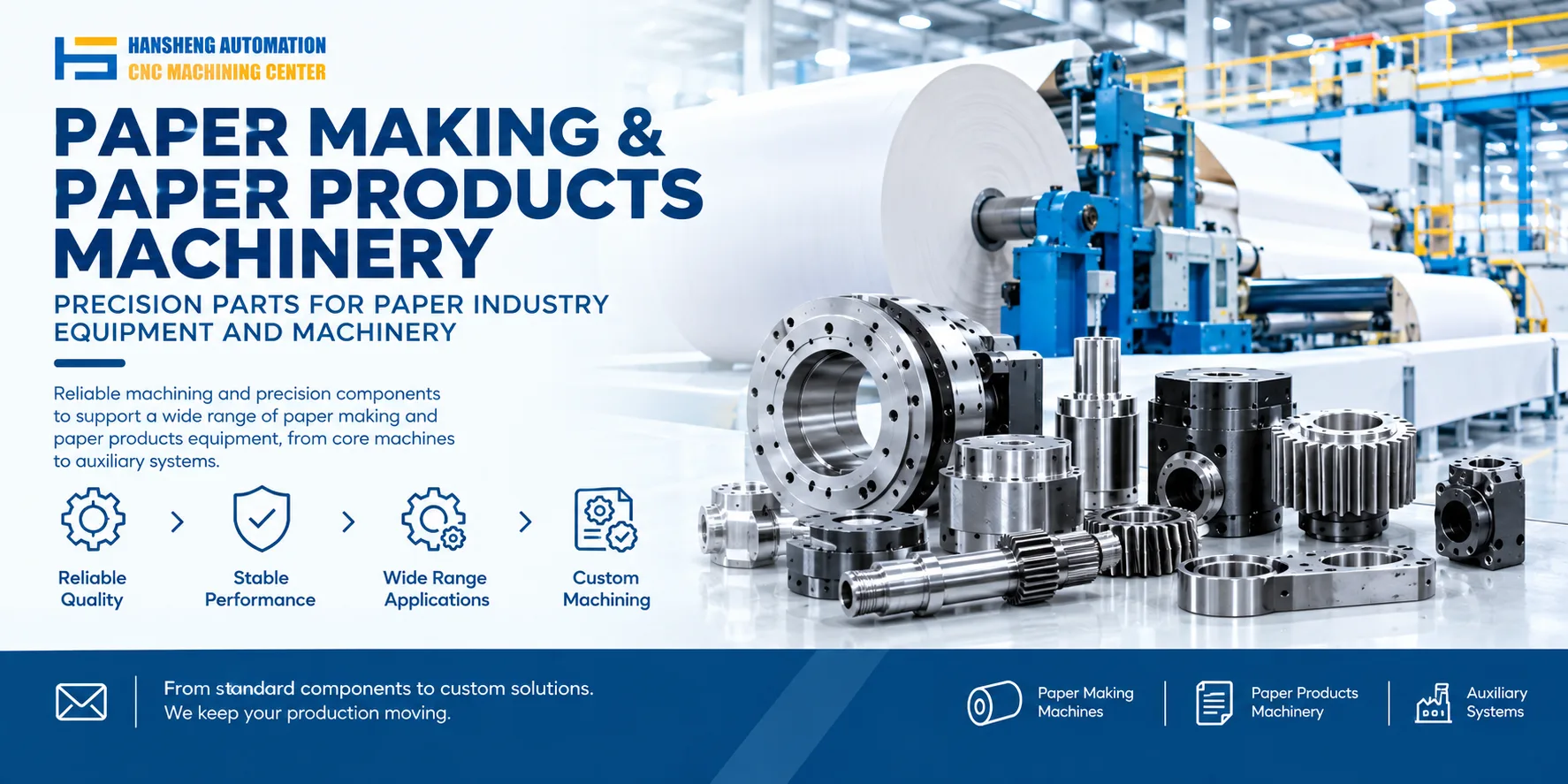
When coating heads, rollers, or doctor blades need replacement, Hansheng Automation can machine these parts from customer drawings in single pieces or small batches.
Batch-change cleaning
Hot-melt coating machine adhesive tank and hose cleaning, for changing adhesive type and coating method: drain the original adhesive, add 2 to 3 kg of the new adhesive, heat until fully melted, then drain completely. Add the new adhesive again. After it is fully melted, drain at least 1 kg, then start formal production.
Corona device cleaning: confirm the power is off, then wipe with clean dry gauze dipped in 75% alcohol.
Non-fixed interval cleaning
When the coating method or adhesive category and grade changes, clean the hot-melt coating machine coating head. Before the adhesive solidifies, remove the coating head and wipe it clean with dry gauze dipped in 1620 solvent.
When the machine stops during production and then restarts, wipe off overflowed adhesive with clean gauze.
Every half month: clean the hot-melt coating machine adhesive tank filter and coating head filter.
If production stops for more than one month: all coating equipment must go through the full cleaning list for daily, batch-change, half-month, and non-fixed interval cleaning before use. For the hot-melt coating machine adhesive tank, drain the original adhesive, add about 30 kg of white mineral oil to dissolve residual adhesive, drain it, then add about 30 kg of white mineral oil again to dissolve residue. Drain completely before standby.
Our precision custom machining work goes beyond coating machine parts. We also produce non-standard components for yacht hardware, RC car parts, tobacco packaging machinery, filling machinery, medical devices, printing equipment, and food machinery. Hansheng Automation supports single-piece and small-batch production from customer drawings. We focus on precision parts machining and delivery, which helps maintenance and replacement across different industries.