Wear on a coating machine usually shows up at drive parts. The repair method depends on wear level. Daily operation and maintenance also affect how long the machine lasts.
Repair methods for worn parts
Drive part wear
Drive parts such as dryer cylinder shaft ends and paper roll bearing housings are common wear points. Choose the repair method by wear level.
Build-up welding: arc or gas welding deposits welding material on the worn surface. It suits local wear repair. Control the welding heat-affected zone to avoid deformation.
Thermal spraying: high-temperature flame or arc sprays metal powder onto the worn surface to form a coating. It suits large-area wear repair. Watch the bond strength between coating and base metal.
Brush plating: an electrochemical method deposits a metal coating on the worn part. It suits precision parts. It is flexible and gives an even coating.
Severe wear: if wear reduces structural strength or repair cost is too high, send the machine to a professional repair facility. Do not self-repair, to avoid safety risks.
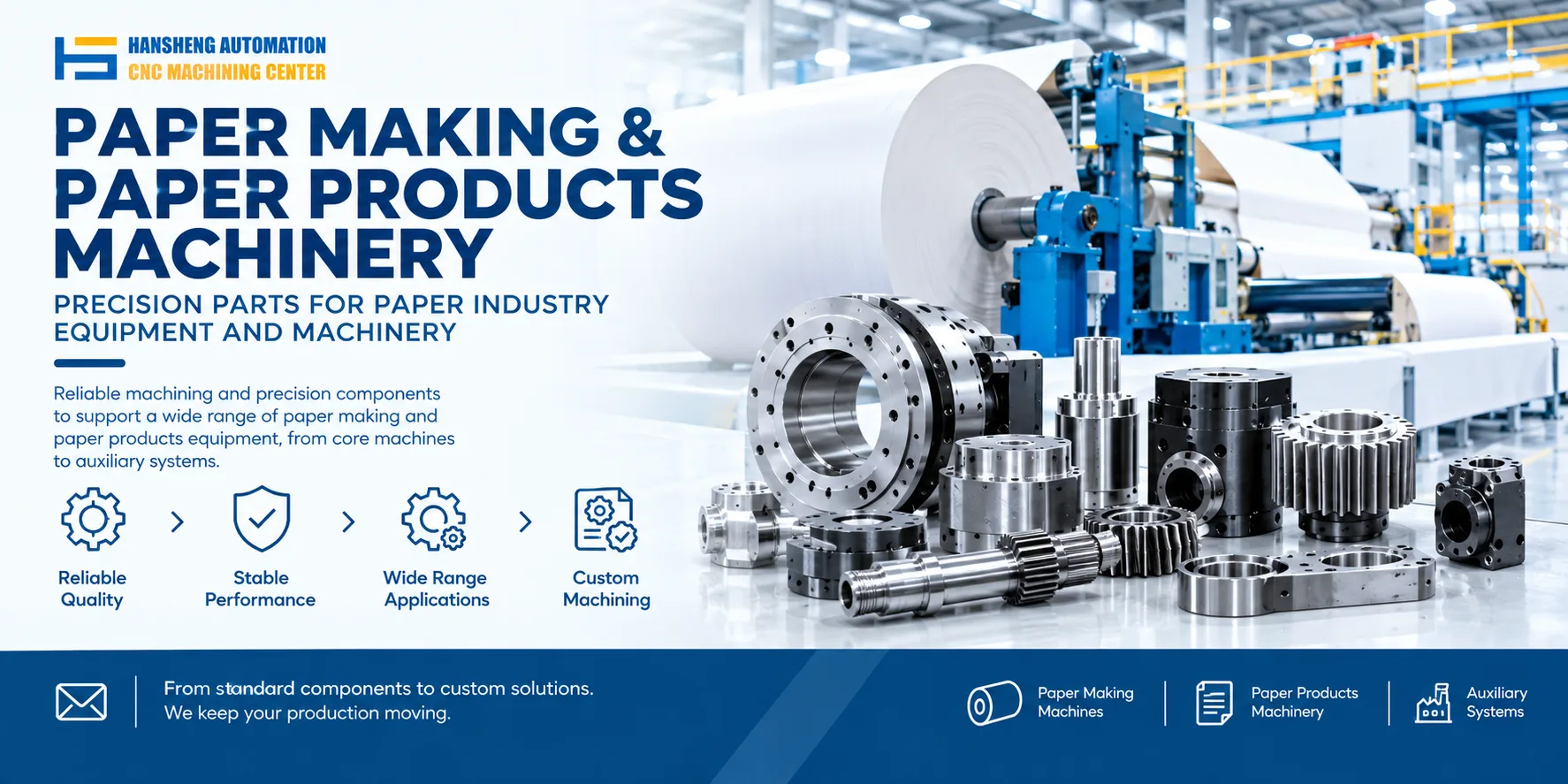
When replacement shafts, bearing housings, or rollers are needed, Hansheng Automation can machine these precision parts from customer drawings in single pieces or small batches.
Daily operation and maintenance
Standard operation: follow the equipment manual. Avoid overload or improper operation such as emergency stops and frequent starts and stops. This reduces mechanical impact damage. Control running parameters such as speed, tension, and temperature within the design range. Abnormal parameters speed up wear.
Regular maintenance:
Cleaning: every day remove residual coating material and dust from the surface and inside the machine. This keeps impurities out of drive parts and reduces wear.
Lubrication: add oil or grease to bearings, gears, and other drive parts regularly. This lowers friction and wear rate.
Inspection: every week check key parts such as shaft ends, bearing housings, and chains. Record data and set a maintenance plan.
Fastening: check and tighten loose bolts and nuts regularly. This prevents vibration from shifting parts or worsening wear.
Preventive maintenance:
Set a preventive maintenance cycle based on use frequency and working conditions, such as replacing wear parts every 3 months.
Keep spare parts for high-wear components such as dryer cylinder shaft ends in advance. This shortens downtime.
Additional measures to extend service life
Optimize process parameters: adjust coating speed, drying temperature, and similar settings to reduce mechanical stress and wear risk.
Choose wear-resistant materials: in design or retrofit, use high-hardness, corrosion-resistant alloy materials for wear-prone areas such as bearing housings.
Install guards: add guards or damping devices at drive parts to reduce external impact and vibration damage.
Summary: coating machine wear treatment combines repair methods and daily maintenance. Light wear can be repaired by build-up welding or thermal spraying. Severe wear should go to a professional repair shop. Standard operation, regular maintenance, and preventive maintenance are the keys to reducing wear and extending equipment life.
Our precision custom machining work is not limited to coating machine wear parts. Hansheng Automation also produces non-standard components for printing equipment, food machinery, medical devices, yacht hardware, RC car parts, tobacco packaging machinery, and filling machinery. We support single-piece and small-batch production from customer drawings. We focus on precision parts machining and delivery, which helps maintenance and replacement across different industries.