Converting a printing press into a coating machine means replacing printing-specific parts, adding a dedicated coating system, and adapting the process. The work breaks down into seven steps.
Preliminary planning
Define the coating application, precision, and running speed. Paper coating needs high uniformity. Industrial film coating needs faster running speed. Then assess the existing printing press structure and performance. Confirm what can be modified. Settle the final conversion details.
Remove printing-specific parts
Remove the ink fountain, plate cylinder, blanket, and other printing components in order. Clean residual ink and debris from inside the machine. This prevents interference with the coating process.
Install the coating head assembly
Choose the coating head type based on the precision requirement. For high precision, a comma coating head is preferred. For standard needs, a doctor blade or roll coating head works. Install it accurately in the corresponding position on the printing press. Make sure it is firmly mounted and fits with other components.
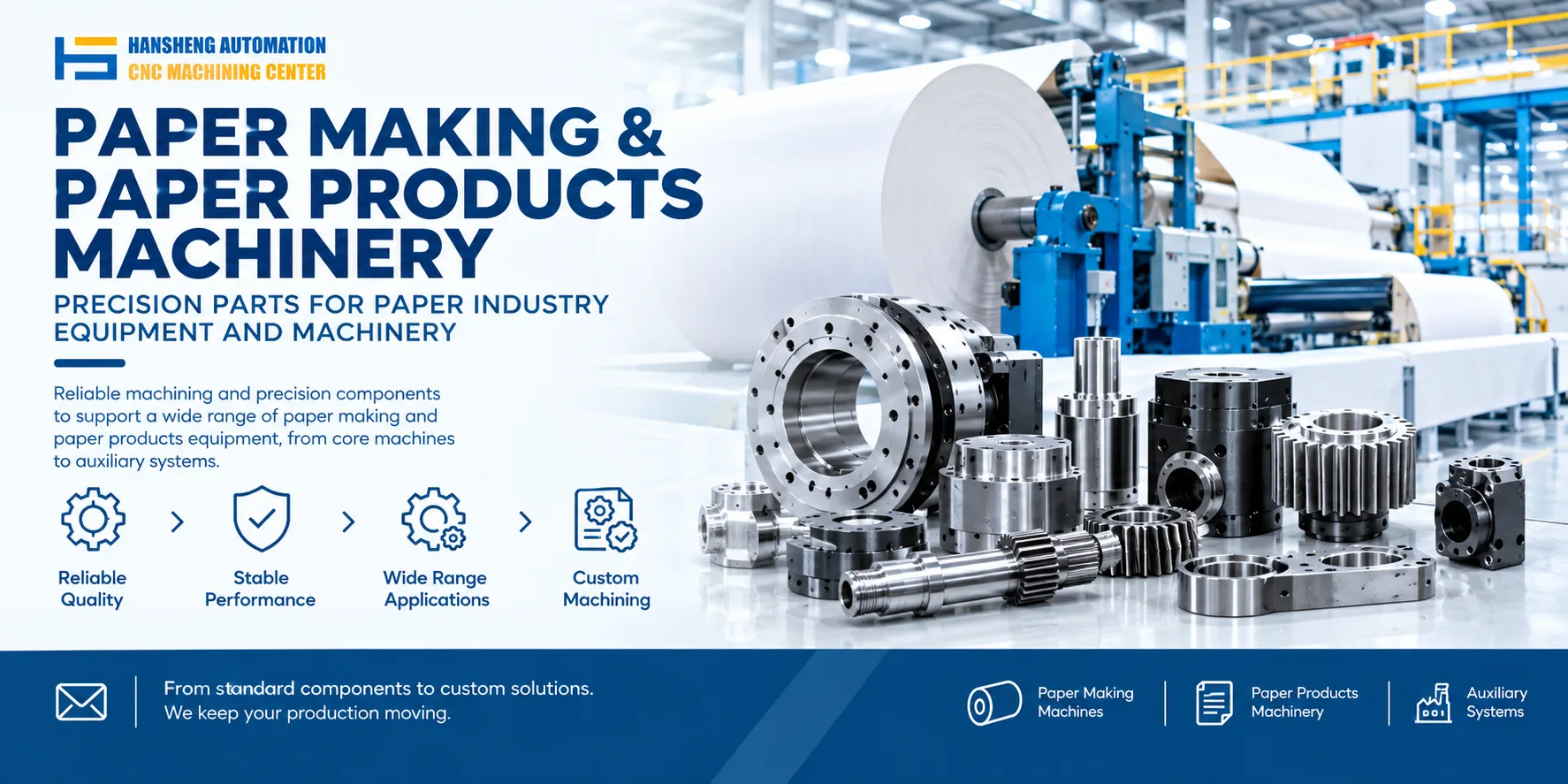
When custom coating heads, rollers, or doctor blades are needed, we can machine these precision parts from customer drawings in single pieces or small batches.
Add a complete feeding system
Install a coating storage tank, delivery piping, feed pump, and other equipment to build the full feed chain. After installation, debug the system. Make sure coating is delivered to the coating head steadily and evenly.
Adapt the drying system
Adjust the original printing press drying device based on the coating material. Optimize drying temperature and time. If the existing dryer cannot meet requirements, add or replace it. This ensures the coated material dries quickly and fully.
Modify the electrical control system
Rewrite the printing press electrical control program so it can control the coating head, feeding system, and drying device in sync. Set adjustable parameters for coating speed, feed rate, and drying temperature. Complete basic electrical debugging.
Full-process testing
First run a no-load test. Check for abnormal noise, vibration, and other issues. Then run a load test with actual coating. Check coating thickness uniformity and look for missed coating. Adjust and optimize based on test results until the preset coating standard is reached.
Our precision custom machining work is not limited to coating machine parts. We also produce non-standard components for filling machinery, tobacco packaging machinery, yacht hardware, RC car parts, medical devices, printing equipment, and food machinery. Hansheng Automation supports single-piece and small-batch production from customer drawings. We focus on precision parts machining and delivery, which helps maintenance and replacement across different industries.