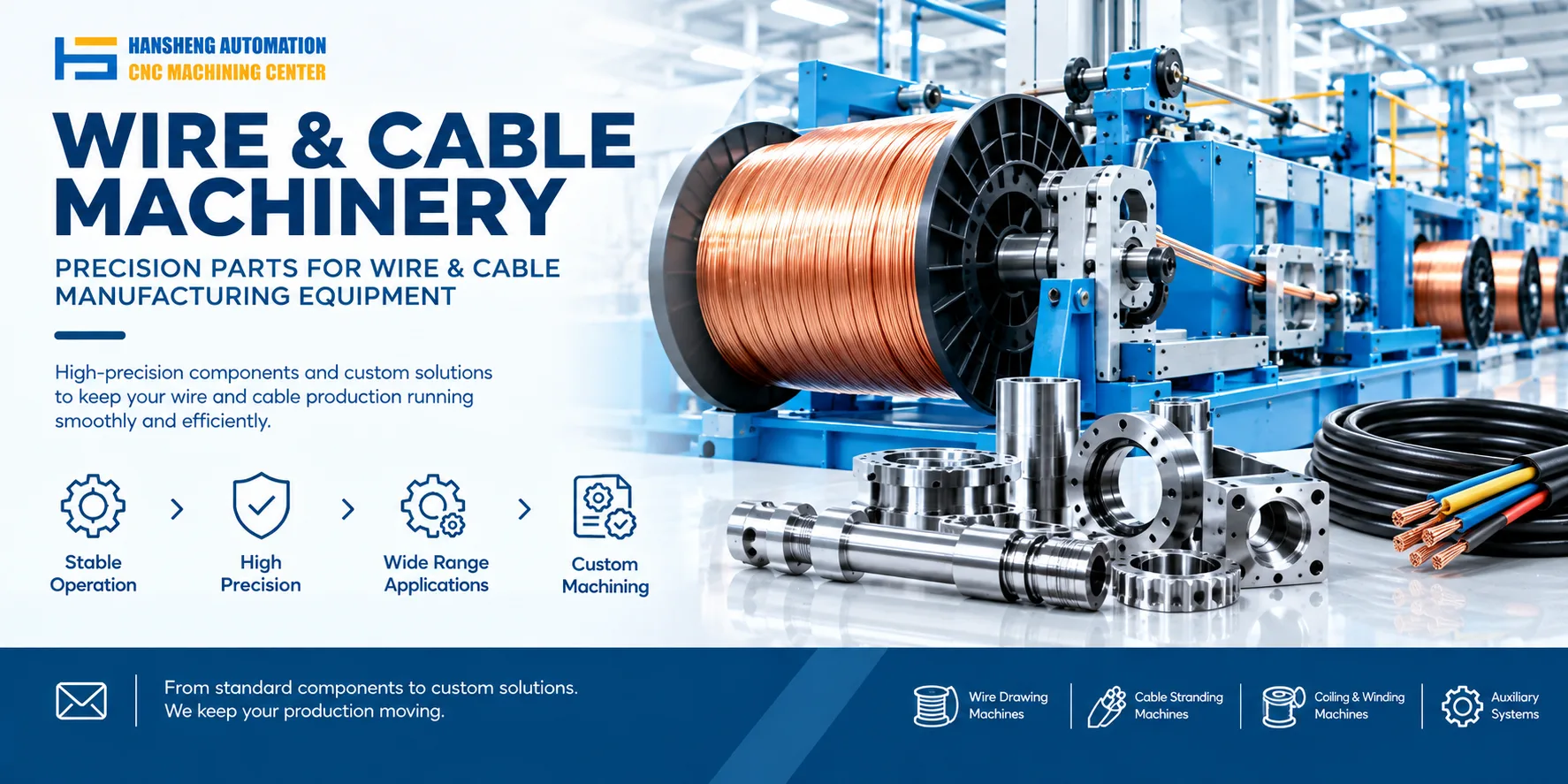
Disassembling a rotary extruder head requires a standard procedure. The key points are preventing burns and protecting precision parts. We can machine dies, mandrels, splitter brackets, and breaker plates from customer drawings.
1. Preparation
Tools: hex key set, copper hammer, wheel puller, heating band or temperature controller, heat-resistant gloves, safety goggles, cleaning cloth, and special lubricant.
Safety: Make sure the machine is fully powered off. Depressurize the hydraulic system. Wait until the head temperature drops below 60 °C before starting.
2. Disassembly steps
① Remove heating and cooling devices
Disconnect the thermocouple and heating band power wires first. Mark them. Remove the clamps or screws that hold the heating bands. Disconnect the water cooling jacket lines.
② Separate the die body and splitter
Use a heating band to heat the die body connection evenly to 150 to 180 °C. Check the equipment manual for the exact temperature. Tap the side of the die body gently with a copper hammer to loosen it. Never strike the threads or sealing surface directly.
③ Break down core components
Remove the die and mandrel in order. Handle them carefully to avoid impact damage. Use special tools to remove the splitter bracket. Record the position and direction of the breaker plate.
④ Take out rotating parts
Remove the coupling or drive belt of the rotary drive. Use a wheel puller to remove the spindle connection parts. When pulling out the rotating body as a whole, keep it level to avoid scratching the mating surfaces.
3. Key precautions
Wear heat-resistant gloves and safety goggles during disassembly. Place all removed screws and parts in order and mark them. Graphite gaskets and seals usually need to be replaced with new ones. Do not clean the melt flow channel with hard objects. Use a copper scraper or special cleaning compound.
4. Assembly points
Clean all parts thoroughly and apply high-temperature grease before assembly. Assemble in the exact reverse order of disassembly. Tighten bolts in a diagonal sequence to the specified torque. After assembly, run a heating and pressure test. Confirm there are no leaks before starting production.
Beyond rotary extruder heads, our precision custom machining capability is not limited to one industry. Hansheng Automation can machine non-standard metal parts for filling machinery, tobacco packaging machinery, and food machinery from customer drawings. We also machine yacht components, RC car components, and specialized parts for printing equipment and medical devices. We focus on build-to-print custom machining and produce single pieces or small batches according to customer drawings. We do not sell complete machines.