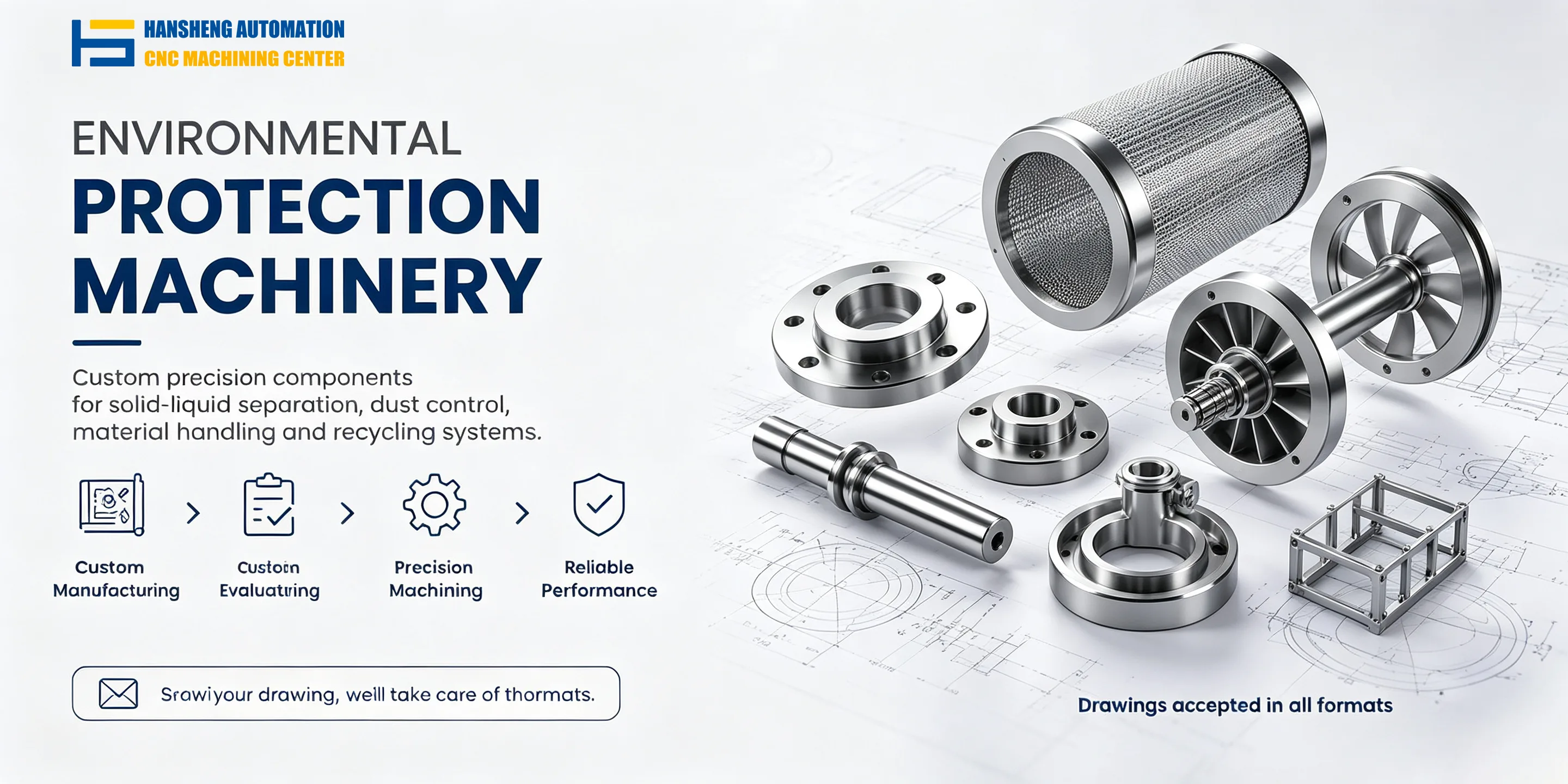
Ethylene oxide (EtO) is widely used to sterilize medical devices and other products that cannot withstand conventional high-temperature or moisture-based sterilization. However, EtO is a toxic, carcinogenic, flammable, and explosive gas. Emissions generated during sterilization, chamber evacuation, and product aeration must therefore be collected and treated using suitable exhaust gas control systems.
Common EtO emission control technologies include acid-water scrubbers, catalytic oxidation units, thermal oxidation systems, and specially designed dry-bed reactors. Each technology has different operating conditions and treatment capabilities. The appropriate system depends on the EtO concentration, exhaust airflow, emission source, and process safety requirements.
Main Equipment Used for Ethylene Oxide Exhaust Treatment
Acid-Water Scrubber
An acid-water scrubber absorbs EtO from the exhaust gas using a circulating aqueous solution. This is an established treatment method for emissions from EtO sterilization facilities.
The system generally consists of a packed absorption tower, a reaction vessel, and a liquid storage tank.
As the exhaust gas passes through the packed tower, it contacts the circulating acidified water solution, commonly containing sulfuric acid. Because EtO is highly soluble in water, it transfers from the gas phase into the liquid phase.
The absorbed EtO subsequently undergoes hydrolysis, producing ethylene glycol (EG). The circulating solution is transferred to a reaction vessel to complete this process before returning to the storage and circulation system.
The solution gradually accumulates ethylene glycol during operation. As its concentration increases, the scrubber's absorption performance can decline. The condition of the circulating liquid must therefore be monitored, and the solution should be replaced or treated when it reaches the established operating limit.
Advantages:
Acid-water scrubbing operates at relatively low temperatures and can handle sterilizer exhaust streams containing comparatively high EtO concentrations. It also converts absorbed EtO into ethylene glycol, providing an opportunity for product recovery or controlled wastewater management.
Limitations:
The system requires liquid circulation, chemical management, and regular monitoring of the scrubbing solution. Spent liquid must be handled according to its composition and applicable disposal or recovery requirements.
Catalytic Oxidation Equipment
Catalytic oxidation equipment destroys EtO through oxidation over a catalyst. The reaction converts EtO primarily into carbon dioxide, water, and heat.
Before entering the catalyst bed, the exhaust may pass through a filtration stage to remove particles. It is then preheated to the catalyst's required activation temperature. The preheating system may use a burner, steam coil, or electric heating element, depending on the equipment design.
The treated gas passes through the catalyst bed, where EtO oxidation takes place. The reaction releases heat, which raises the temperature of the catalyst and treated gas.
Advantages:
Catalytic oxidation can achieve high EtO destruction efficiency when the inlet concentration and operating conditions are properly controlled. It is suitable for relatively low-concentration emission streams, and emissions from several sources may be combined in a centralized treatment system when the overall gas load remains within the equipment's design limits.
Limitations:
The system requires controlled preheating and stable operating conditions. Excessive EtO loading can cause the catalyst bed temperature to rise beyond its design range, potentially damaging the catalyst and creating a fire or explosion hazard.
The catalyst's service life and activity also depend on the exhaust composition and possible contaminants.
Thermal Oxidation Equipment
Thermal oxidation destroys EtO through high-temperature combustion without relying on a catalyst.
The exhaust enters a specially designed oxidation unit, where heat and oxygen promote the conversion of EtO into carbon dioxide, water, and heat. Depending on the system design and the heating value of the incoming gas, supplemental fuel may be required.
Flares are one type of thermal oxidation equipment used for suitable EtO emission streams. Other thermal oxidizer configurations may be selected according to the exhaust volume, concentration, and required heat recovery.
Advantages:
Thermal oxidation can handle suitable EtO-containing exhaust streams without requiring catalyst materials. Under specified operating conditions, it can achieve high EtO destruction performance.
Limitations:
EtO has a wide flammable concentration range. Its feed rate, concentration, and flow conditions must therefore be controlled carefully. Overfeeding the oxidation unit can cause unstable combustion, excessive temperatures, or explosions.
Thermal oxidation systems also require fuel management, temperature monitoring, safety interlocks, and regular equipment inspection.
Dry-Bed Reaction Equipment
Specially designed dry-bed reactors provide another option for controlling EtO emissions. These systems use reactive solid media that chemically bind EtO rather than relying solely on conventional physical adsorption.
The exhaust passes through the reactive media, where EtO is captured and converted into bound reaction products.
Dry-bed reactors are commonly considered for low-concentration, high-volume exhaust streams. They can operate without preheating the incoming gas.
Advantages:
The equipment can operate at relatively low temperatures and does not require the same combustion system used in catalytic or thermal oxidation. It can also be considered for specific exhaust streams where a dry treatment process is preferred.
Limitations:
The reactive media have a finite treatment capacity and must be replaced according to their service condition. Excessive EtO loading can generate heat and may cause a fire or explosion. The media must therefore be selected and operated according to the manufacturer's specifications and process safety assessment.
Main Methods for Treating Ethylene Oxide Exhaust
Absorption and Hydrolysis
Absorption and hydrolysis are commonly combined in an acid-water scrubber.
The exhaust gas enters a packed absorption tower and contacts the circulating aqueous absorbent. EtO transfers into the liquid and subsequently reacts with water to form ethylene glycol.
A sulfuric acid-containing solution may be used to promote the hydrolysis process. The resulting liquid is collected in a reaction vessel and storage tank for continued circulation or further treatment.
The main advantage of this process is that it removes EtO from the gas stream while converting it into a liquid-phase product.
However, the absorption capacity decreases as ethylene glycol accumulates in the circulating solution. Monitoring the solution composition and maintaining the required operating conditions are therefore necessary to sustain removal performance.
Catalytic Oxidation
Catalytic oxidation uses a suitable catalyst to accelerate the reaction between EtO and oxygen.
The exhaust is filtered and preheated before entering the catalyst bed. EtO is then oxidized into carbon dioxide and water, releasing heat during the reaction.
This method is particularly suitable for relatively low-concentration exhaust streams when the gas composition and flow rate fall within the treatment system's design limits.
The inlet EtO concentration must be controlled to prevent excessive heat release and catalyst overheating. Dilution, flow control, temperature monitoring, and automatic interlocks may be required as part of the system design.
Thermal Oxidation
Thermal oxidation uses controlled high-temperature conditions to decompose EtO.
Unlike catalytic oxidation, this process does not depend on a catalyst. It relies on sufficient temperature, residence time, oxygen availability, and gas mixing to achieve the required destruction performance.
EtO has a relatively high heating value, but its flammability and explosive characteristics create additional design requirements. The oxidation system must be engineered to prevent excessive EtO feed and maintain safe operating conditions.
Ethylene Oxide Hydration for Ethylene Glycol Production
Hydration processes convert EtO into ethylene glycol through a chemical reaction with water. These processes include direct hydration and catalytic hydration.
They should be distinguished from conventional exhaust gas treatment methods. Direct hydration is an industrial chemical production process that uses EtO as a feedstock in a controlled reactor. Catalytic hydration similarly uses a catalyst to promote the conversion of EtO into ethylene glycol.
In an EtO acid-water scrubber, hydrolysis occurs after EtO has been absorbed into the liquid phase. This is part of the gas treatment and liquid handling process, rather than a separate direct hydration production line.
The resulting ethylene glycol solution may be recovered or further processed when its composition and purity meet the required specifications.
Selection and Safety Considerations
The selection of an EtO exhaust treatment system requires more than comparing equipment investment and nominal removal efficiency. The following factors should be evaluated before equipment selection.
Exhaust concentration and airflow: Primary vacuum pump discharges, sterilizer chamber vents, and aeration room exhausts can have significantly different EtO concentrations and airflow characteristics. They should be evaluated separately before determining whether to use one centralized system or several dedicated control units.
Treatment technology: Acid-water scrubbers are suitable for absorbing EtO into a liquid phase. Catalytic oxidation is commonly used for lower-concentration exhaust streams, while thermal oxidation and specially designed dry-bed reactors may be considered for other operating conditions.
Operating costs: Equipment selection should account for chemical consumption, energy requirements, replacement of reactive media, wastewater treatment, and routine maintenance.
Emission monitoring: EtO concentrations and the operating parameters of the treatment system should be monitored to verify removal performance and identify abnormal operating conditions.
Fire and explosion protection: EtO is highly flammable and explosive. The system requires appropriate concentration monitoring, flow limitation, safety interlocks, ventilation, and emergency protection. Oxidizing equipment must never be operated beyond its specified EtO feed limits.
Custom Machining for Industrial Equipment Components
In addition to components used in environmental protection and gas treatment equipment, Hansheng Automation provides drawing-based precision machining for non-standard industrial parts. Our machining services also cover precision components for medical equipment, filling and packaging machinery, yacht equipment, and remote-controlled racing cars.
We support single-piece and small-batch manufacturing according to customer drawings, dimensions, and assembly requirements, providing custom machining services for different industrial applications.