The differences come down to coating technology, environmental performance, energy use, application, and equipment design.
Coating technology and adhesive type
Conventional coating machines use traditional adhesives, such as solvent-based adhesives. These adhesives need organic solvents like benzene or toluene to adjust viscosity. After coating, the line uses drying equipment to evaporate the solvent so the adhesive cures and forms a bond layer.
Pressure-sensitive adhesive coating machines, represented by hot-melt types, use 100% solid hot-melt adhesive. No solvent dilution is needed. The machine heats the adhesive until it melts and applies it directly. After coating, cooling cures it quickly, so no drying step is required.
Environmental performance and safety
Solvent-based adhesives contain volatile organic compounds (VOCs), including benzene compounds. They pose a health risk to operators. Long-term exposure can cause poisoning or occupational disease. The drying process releases toxic gas, so the line needs an exhaust gas treatment system, which adds environmental cost.
Hot-melt adhesive is solid. It does not evaporate solvent. Production releases no toxic gas and meets green manufacturing standards. It poses no health threat to operators, and the line does not need complex exhaust treatment equipment.
Energy use and efficiency
Conventional machines need drying equipment to evaporate solvent. This consumes high energy and extends the production cycle because the solvent must evaporate. Solvent loss also increases adhesive consumption and raises cost.
Hot-melt machines do not need drying. The hot-melt adhesive cures as it cools. Production speed is higher, with efficiency improved by 30% to 50%. The solid adhesive has no evaporation loss, so material use is high and overall cost drops by 20% to 40%.
Equipment features and investment
Conventional machines have a complex structure. They need drying tunnels, exhaust treatment units, and large floor space. Initial investment is high, and long-term operating costs for energy and environmental maintenance are significant.
Hot-melt machines are compact. They integrate heating, coating, and cooling functions and take up less floor space. The initial investment payback period is short, usually 1 to 2 years, which suits small and medium production.
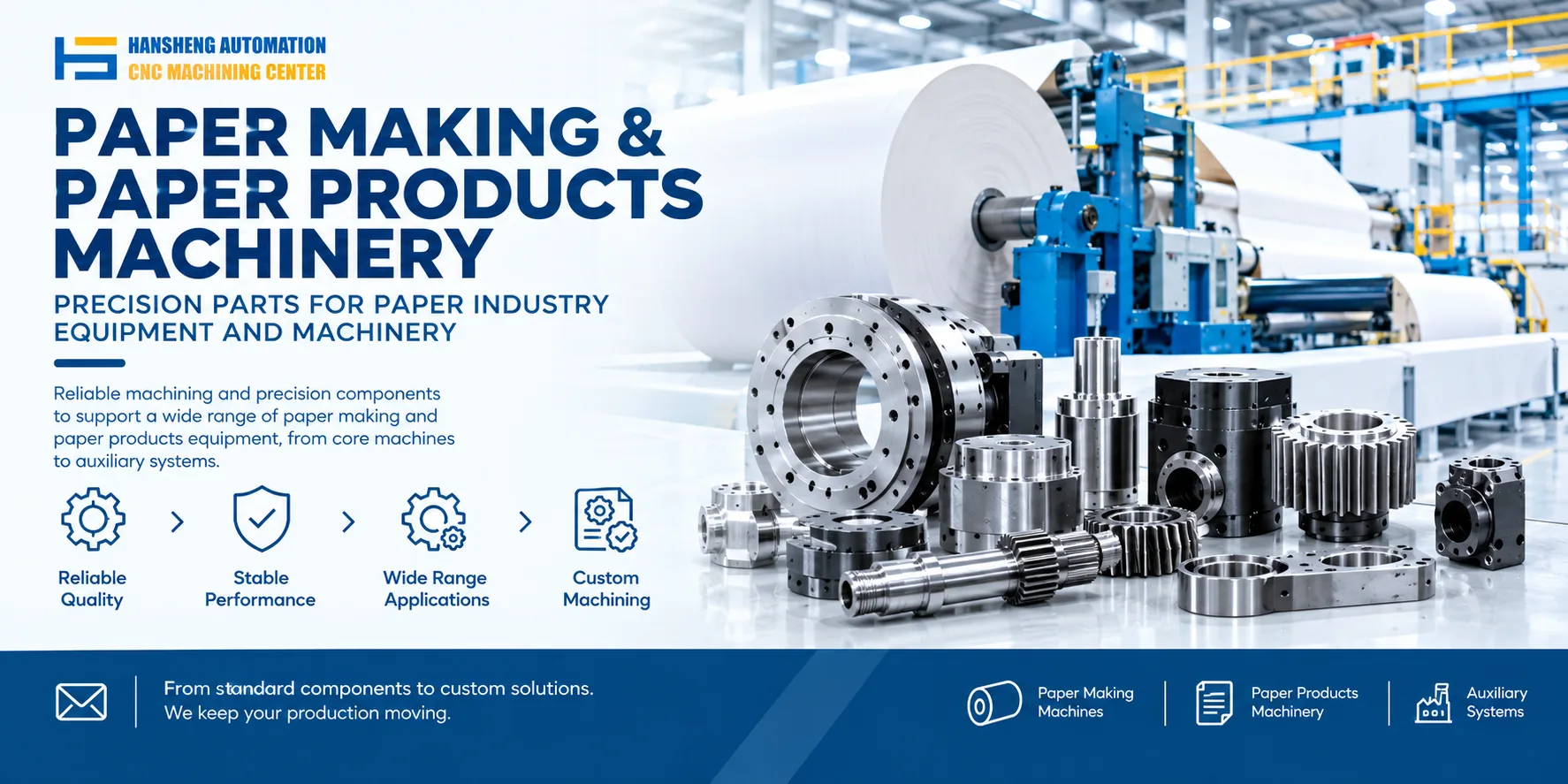
Coating rollers, dies, and other precision parts in these machines often need to be made to drawing. We machine such parts in single pieces or small batches from customer drawings, with material and surface treatment selected for the adhesive and line conditions.
Applications
Conventional machines fit traditional industries with lower environmental requirements and cost sensitivity, such as some low-end packaging and building materials.
Pressure-sensitive adhesive machines are widely used where environmental requirements are high:
Packaging: food packaging and pharmaceutical packaging, with no solvent residue risk.
Electronics: circuit boards and component bonding, with high temperature resistance and no corrosion.
Automotive: interior parts and weatherstrip bonding, with strong weather resistance.
Medical: medical tape and dressings, with good biocompatibility.
Market penetration will continue to expand, especially in new energy and aerospace fields.
Technology trends
Environmental rules are pushing conventional machines out or driving upgrades to water-based adhesive coating, which still needs drying but has lower VOCs.
Hot-melt machines represent a future direction for coating technology. Hot-melt formulations continue to improve, such as low-temperature coating and high tack, and their applications keep expanding.
Pressure-sensitive adhesive coating machines, particularly hot-melt types, offer clear advantages in environmental performance, efficiency, cost, and application range. They suit industries that need safety and efficiency and support the move toward green manufacturing.
Our precision custom machining work is not limited to coating machine parts. We also produce non-standard components for filling machinery, tobacco packaging machinery, yacht hardware, RC car parts, medical devices, printing equipment, and food machinery. Hansheng Automation supports single-piece and small-batch production from customer drawings. We focus on precision parts machining and delivery, which helps maintenance and replacement across different industries.