There is no absolute best choice between a coating machine and a stacker. They handle different processes. The right pick depends on your production needs.
Core functions and applications
A coating machine is surface coating equipment. It uses roll coating, slot die coating, and other methods to apply functional slurry or adhesive evenly to a substrate. Applications include lithium battery positive and negative electrode processing, conductive or insulating layer coating on flexible electronic substrates, and packaging adhesive tape production. Key performance indicators include coating thickness accuracy, substrate width compatibility, and temperature control accuracy of the drying unit.
A stacker is lithium battery cell assembly equipment. It stacks cut positive and negative electrode sheets and separator in process order to form a cell unit. It mainly fits the front-end process for prismatic and pouch lithium batteries. In some cases, it can also support auxiliary assembly of small cylindrical batteries. Key performance indicators include stacking cycle time, electrode alignment accuracy, and cell size compatibility.
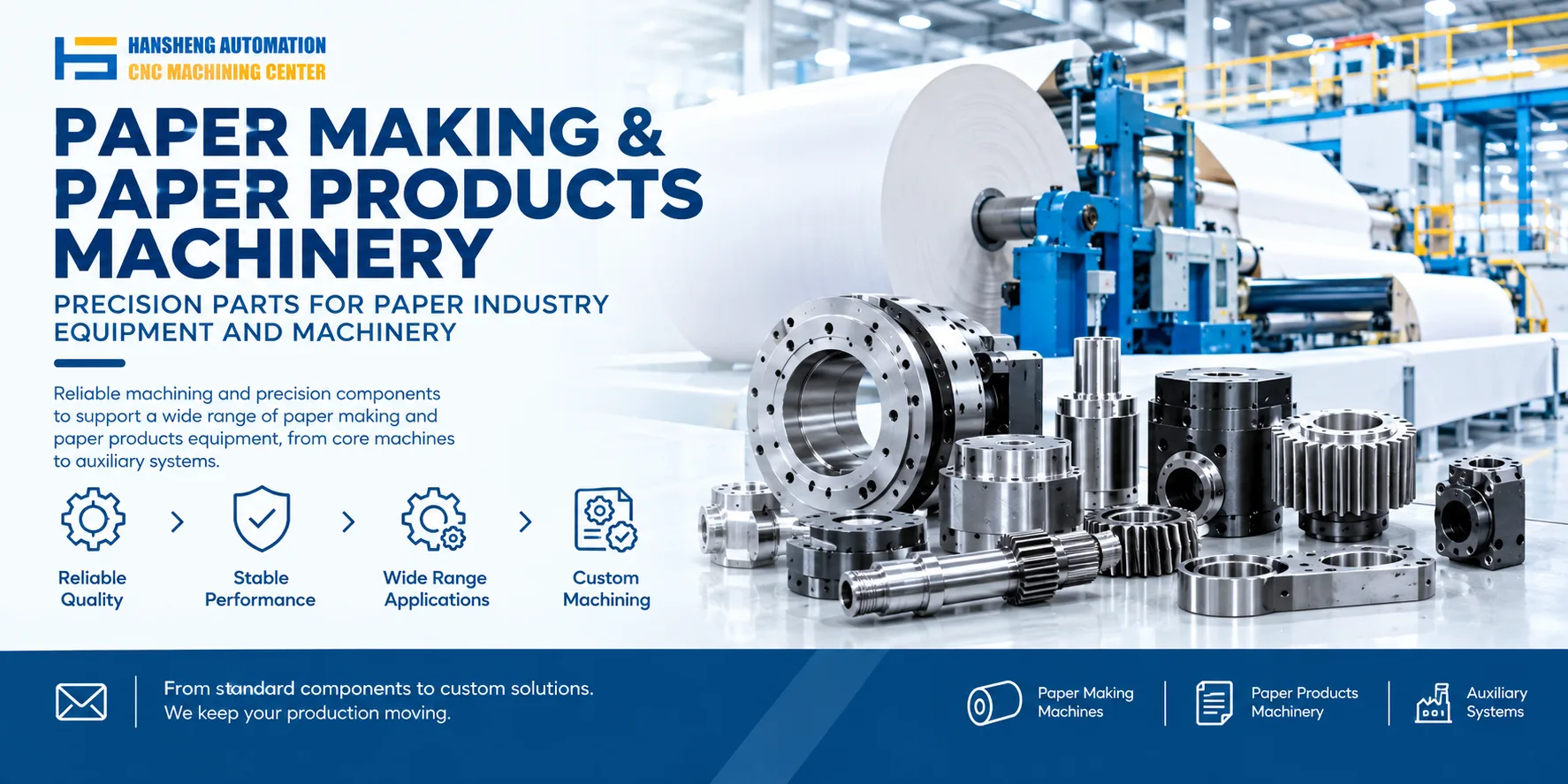
When these machines need replacement rollers, dies, or alignment parts, we machine precision components from customer drawings in single pieces or small batches.
How to choose
For functional coating on a substrate surface, choose a coating machine. Lithium electrode coating usually requires thickness error within ±2 μm, with copper and aluminum foil widths mostly from 500 to 1200 mm. A hot air or infrared drying unit cures the slurry. For packaging adhesive tape, adjust the coating gap and pulling speed based on adhesive layer thickness.
For cell electrode assembly, choose a stacker. Mainstream high-speed stackers can reach over 60 cycles per minute. They align electrodes and separator precisely, which reduces short-circuit risk from electrode shift.
Most lithium battery smart production lines use both machines. The coating machine produces qualified electrodes, then sends them to the stacker for cell assembly. They are matched front and back process equipment, not direct replacements for each other.
Safety boundaries
Coating machines handle flammable and explosive slurry and high-temperature drying units. They must run in an explosion-proof ventilated workshop. Only certified equipment maintenance personnel may operate them.
Stackers have precision mechanical transmission structures. They need safety guards. No one should enter the running area, to avoid mechanical injury.
Our precision custom machining goes beyond coating and stacking equipment parts. Hansheng Automation also produces non-standard components for filling machinery, printing equipment, yacht hardware, RC car parts, and medical devices, as well as tobacco packaging and food machinery. We support single-piece and small-batch production from customer drawings. We focus on precision parts machining and delivery, which helps maintenance and replacement across different industries.