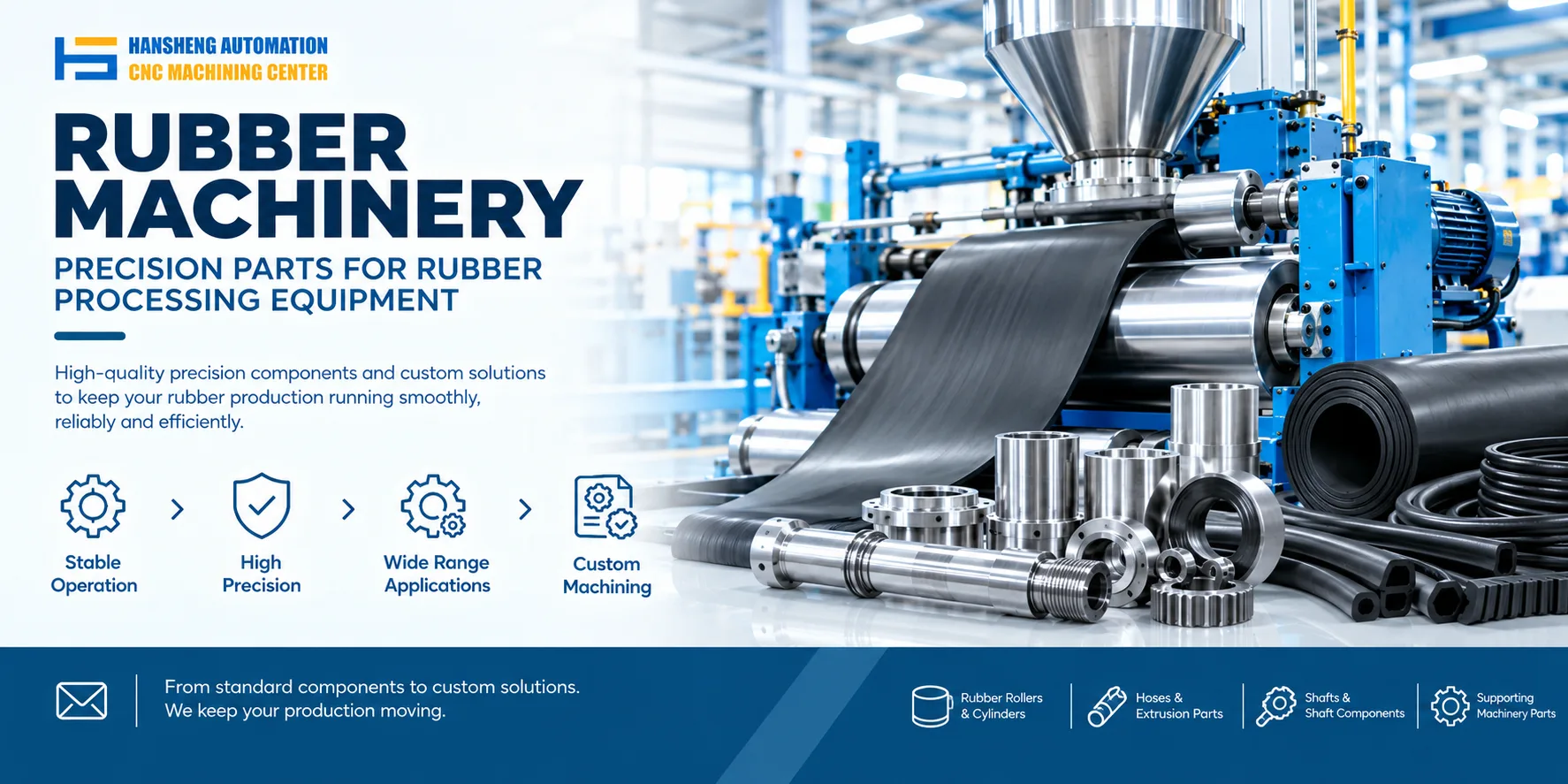
Rubber screw extruders are widely used in tire manufacturing to produce semi-finished components such as treads and sidewalls. During production, changes in material properties, equipment condition, and process settings can lead to overheating, lumpy extrudate, dead rubber, delamination, blisters, and air bubbles.
The causes vary from one defect to another. The following sections explain the main problems and the corrective measures described in the source process.
1. Excessive temperature and scorching
Excessive temperature, also referred to as scorching in the source material, occurs when the semi-finished rubber leaving the extruder exceeds the process temperature limit of 120°C. The extruded surface may become uneven.
Causes
Excessive screw clearance: If the clearance between the screw and barrel liner becomes too large, rubber can flow backward inside the barrel. The longer residence time increases the risk of overheating.
Incorrect pin arrangement: An excessive number of long pins can affect the temperature profile and contribute to overheating during extrusion.
Corrective measures
Measure the screw clearance and compare it with the applicable equipment specifications. Replace the screw if the clearance exceeds the permitted range.
If the clearance is acceptable, inspect the pin arrangement and adjust the number of long pins where necessary.
For a Φ200 extruder, the source recommends keeping long pins at no more than 85% of the total pin count. It also reports that reducing the long pin proportion by 10 percentage points can lower the extruded rubber temperature by approximately 5°C. This relationship should be verified through trials on other extruder models rather than assumed to apply uniformly.
Long pins should be arranged in an orderly pattern along the direction of rubber flow, with their number gradually decreasing toward the downstream end.
2. Lumpy extrudate caused by uneven plasticization
The defect known as lumpy extrudate in Chinese refers to granular or lump-like material appearing on the surface of an extruded rubber product. It occurs when plasticization or mixing inside the barrel is uneven.
Causes
Three factors are associated with this defect:
Lower ambient temperature: Cold conditions can make the compound more difficult to plasticize.
Higher Mooney viscosity: Increased compound viscosity can reduce the effectiveness of plasticization and mixing.
Fewer long pins: An insufficient number of long pins may reduce the mixing and plasticizing effect.
Corrective measures
When the ambient temperature falls, preheat the rubber compound in a heating room before feeding it into the extruder.
Check whether the proportion of reclaimed rubber meets the process specification. The source sets a maximum reclaimed rubber content of 15%.
Inspect the long pins regularly for breakage and wear. The source specifies that pin wear should not exceed one third of the original amount. Replace damaged pins and address excessive wear before it affects plasticization.
3. Dead rubber inside the extruder
Dead rubber refers to compound that hardens inside the barrel and loses its normal flow characteristics. It can reduce extrusion output, affect the dimensions of semi-finished products, and appear as small particles on the product surface.
Causes
Abnormal temperature control: A blocked cooling water filter can restrict heat exchange in the cooler. As the softened water temperature rises, the compound may become harder to process and form dead rubber.
A short or detached screw sleeve: If the inner sleeve is too short or becomes detached, softened water may return directly through the rotary joint without circulating properly inside the screw. The screw temperature then rises, causing the compound to harden.
Foreign material on the screw: Contamination on the screw surface, particularly on screws with compound thread structures, can interfere with the normal movement of rubber through the barrel.
Corrective measures
First, inspect the temperature control unit. Check whether the softened water pump operates normally, confirm that the inlet and return pipes are connected correctly, and clean the cooling water filter.
Next, inspect the screw sleeve and rotary joint. Check for detachment and measure the sleeve length. The source recommends that the inner sleeve extend to a length of at least 200 mm relative to the screw head reference specified in the equipment design.
Finally, dismantle the screw when necessary and remove any foreign material found on its surface. Check the screw and related components before returning the machine to production.
4. Delamination and blisters during co-extrusion
Delamination and blisters are common defects in two-compound and three-compound extrusion. The semi-finished product may develop irregular small bubbles on the surface, while the interface between the rubber compounds shows poor adhesion and can be peeled apart easily.
Causes
These defects often appear during seasonal temperature changes. Changes in the production environment affect the Mooney viscosity of the rubber, which can alter the flow and bonding behavior of the compounds.
Low temperatures may produce cold spots in the rubber. Excessive temperatures may cause the surface defect described in the source as spray marks, a spray-like extrusion defect.
Corrective measures
Review the temperature settings and adjust the relevant zones according to the compound behavior.
For a three-compound extruder with Φ150, Φ200, and Φ250 screws, the source gives an example involving the production of large 12.00-size tires. In that case, selectively reducing the temperatures of the screws, plasticizing sections, and upper and middle die sections by 5 to 15°C significantly reduced delamination.
The adjustment should be applied selectively rather than uniformly to every temperature zone. The appropriate settings depend on the equipment configuration, rubber formulation, and observed defect.
5. Air bubbles in tire apex extrusion
Air bubbles mainly occur in the extruded tire apex, particularly in the groove or at the rubber splice area. The source identifies winter conditions with an outdoor temperature of approximately 5°C as a common setting for this problem.
5.1 Bubbles in the apex groove
Causes
Poor screw mixing can leave air trapped in the compound. If the barrel cannot release the air effectively, bubbles may remain in the extruded product.
Corrective measures
If the temperature control system is operating normally, increasing the proportion of long pins may improve plasticization and help air escape from the compound.
The screw structure can also be reviewed. The source recommends adding a compound screw section in the extrusion zone to improve plasticization and increase the screw's air removal capability.
5.2 Bubbles at the apex splice
Causes
Bubbles at the spliced area may result from an unsuitable lamella mechanism on the conveyor after the rubber strips are joined.
Two conditions require particular attention:
Insufficient lamella thickness or pressing force: If the lamella is too thin, it may not apply enough pressure to consolidate the rubber layers.
Misaligned guide roller: If the guide roller is out of position, the lamella can move upward during operation and fail to press the rubber strip firmly, leaving air trapped at the splice.
Corrective measures
The source recommends a lamella design thickness of 2 to 3 mm. Check that the mechanism provides adequate pressing force for the application.
Reposition the guide roller promptly if it becomes misaligned. Confirm that the lamella remains in the correct position during operation and presses the rubber securely.
6. Key factors in troubleshooting rubber extrusion defects
The five problems described above have different symptoms, but they share several possible contributing factors. Screw clearance, pin arrangement, temperature control, compound viscosity, and seasonal changes can all affect extrusion quality.
When a defect appears, check the equipment condition and process settings together rather than changing a single parameter without inspection. Temperature adjustment may resolve some problems, but mechanical wear, restricted cooling, poor mixing, or inadequate air removal may require separate corrective action.
Hansheng Automation also provides custom machining for suitable precision components used in industrial equipment. Based on customer drawings and technical specifications, we can assess the machining of non-standard metal parts for rubber processing machinery, packaging equipment, and tobacco machinery. Our services also extend to precision components for yacht equipment, RC racing cars, and filling machinery, subject to drawing review and machining feasibility.