Problem 1: Weld seam is very black during welding
Nitrogen not turned on: Check the nitrogen supply system, confirm the nitrogen valve is open, and replenish nitrogen.
Wrong shielding gas flow direction: Adjust the shielding gas nozzle direction so it is opposite to the workpiece movement direction and the gas flow covers the welding area.
Problem 2: Cracks appear during welding
Workpiece cooling too fast: Adjust the fixture cooling water temperature. Raise the water temperature slightly to slow the cooling rate and avoid stress concentration from rapid cooling.
Workpiece fit clearance too large or burrs present: Improve workpiece machining accuracy, check assembly clearance, and remove burrs to ensure a tight fit.
Workpiece not cleaned thoroughly: Use organic solvents or an ultrasonic cleaner to completely remove oil, oxide scale, and other impurities from the workpiece surface.
Shielding gas flow too high: Reduce the output of shielding gas such as argon through the flow meter. Avoid gas flow disturbing molten pool stability.
Problem 3: Insufficient weld penetration
Insufficient laser energy: Increase laser pulse width to extend energy release time. Increase laser current or power to boost single-pulse energy output.
Focusing lens defocus amount deviation: Use a defocus adjustment device, such as an electric displacement stage, to move the focusing lens close to the focus position and maximize energy density.
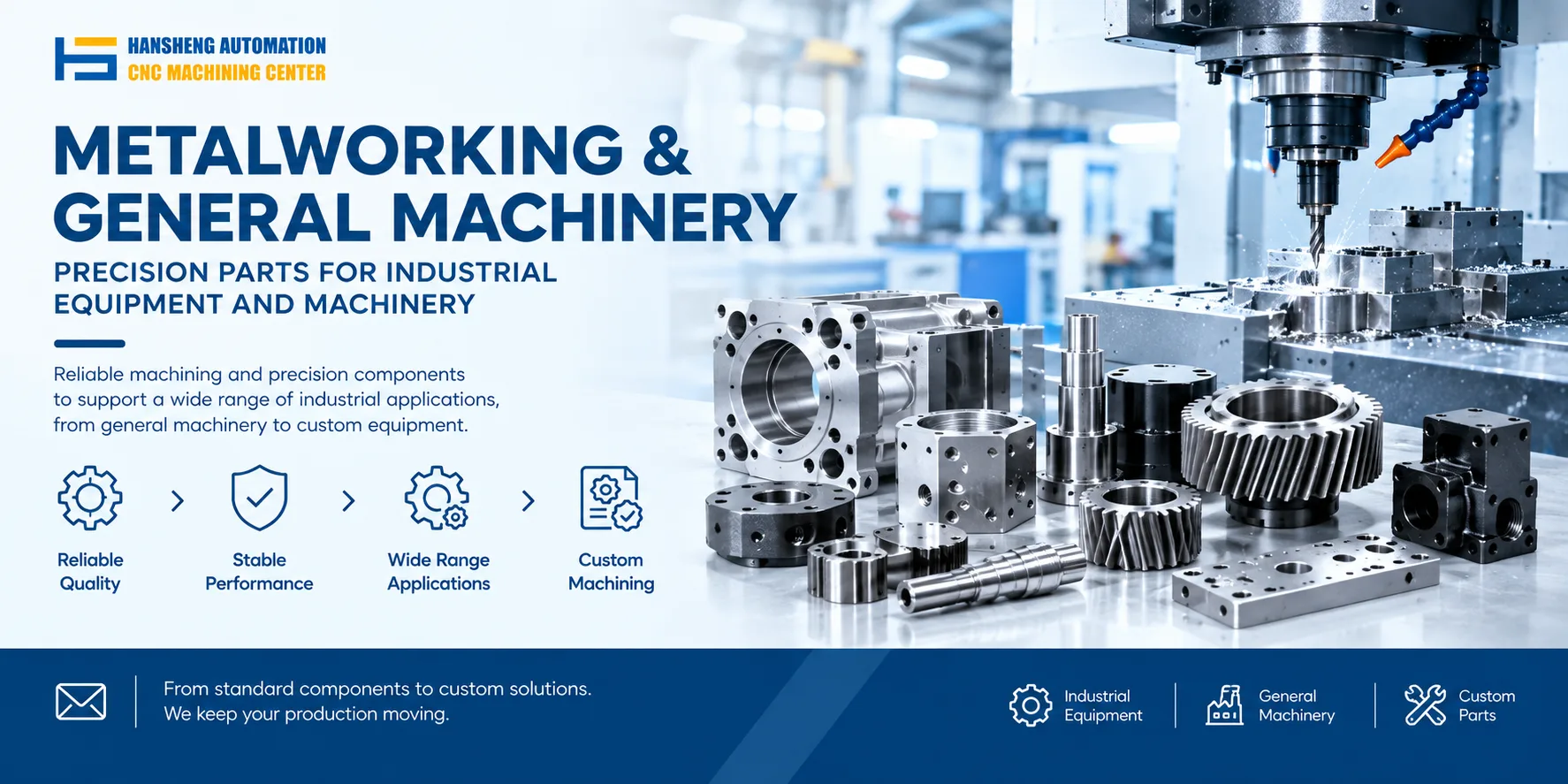
We can machine custom nozzles, fixtures, protective lens holders, and other precision parts for laser welding machines from customer drawings, for single-piece or low-volume production.
Problem 4: Welding flame weakens
Shutter not fully open: Check the shutter mechanical structure and confirm connecting parts are not stuck. Add lubricant such as silicone grease at the connection to ensure smooth shutter movement.
Main optical path laser deviation: Use burn paper or a spot analyzer to check laser spot shape. Fine-tune the angles of the total reflection mirror and half reflection mirror so the spot returns to a round and symmetrical distribution.
Cooling water contaminated or not replaced in time: Drain old cooling water and replace it with deionized water or dedicated coolant. Clean deposits on the UV filter glass tube and xenon lamp surface to restore cooling efficiency.
Laser not output from the center of the copper nozzle: Adjust the angle of the 45-degree reflective film. Use a laser alignment tool such as a cross line marker to ensure the optical path is coaxial with the nozzle.
Focusing lens or resonator cavity mirror contaminated or damaged: Use a lint-free cloth with alcohol to gently wipe the focusing lens surface and remove dust or spatter. If the mirror is scratched or burned, contact the manufacturer to replace the original optical component.
Notes
Wear laser safety goggles before operation. Avoid direct exposure to the beam path.
Maintain the equipment regularly, such as checking cooling water weekly and cleaning optical components monthly, to reduce fault rates.
If the fault cannot be cleared by the above methods, contact the equipment supplier's technical support team. Avoid non-professional repair that may cause further damage.
Our custom precision component machining capability is not limited to laser welding equipment. Beyond welding nozzles, fixtures, and protective lens holders, we also machine RC car structural parts, yacht precision components, medical device parts, and non-standard parts for filling machinery, tobacco packaging machinery, and printing machinery. Hansheng Automation works from customer drawings and production quantities to deliver single-piece or low-volume precision machining.