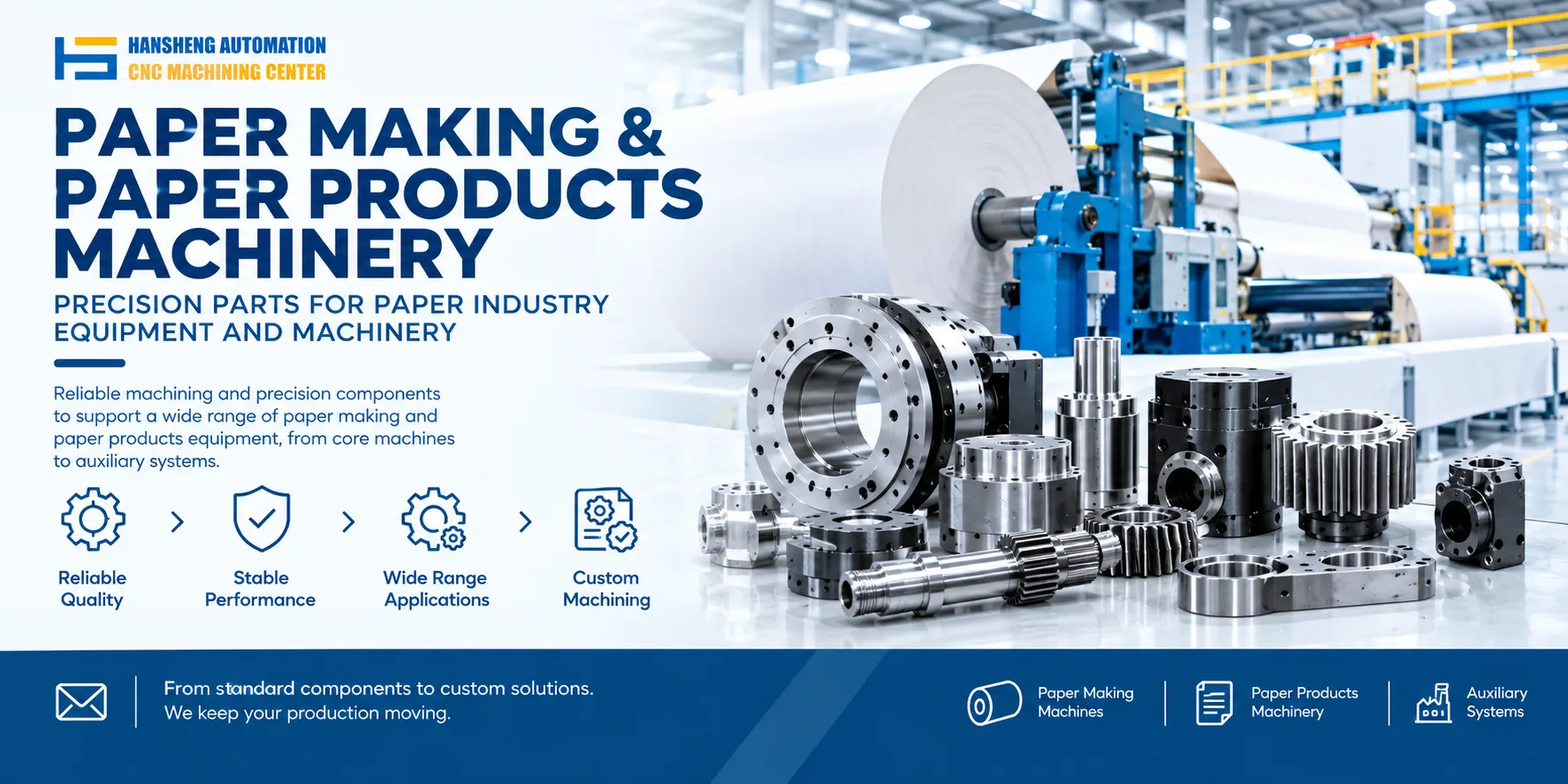
A coating machine uses a controlled coating head to apply liquid or paste material evenly to a substrate. After drying or curing, the material forms a thin film with a set thickness and performance.
Core process
Unwinding: constant tension control unwinds the substrate, such as metal foil or plastic film.
Coating unit: a metering pump feeds slurry to the coating head. Slot die, micro gravure, or doctor blade methods apply a set amount.
Drying oven: staged temperature control moves from ambient to medium to high temperature to evaporate solvent. Lithium battery electrode coating machines usually keep drying temperature at 80-120°C.
Rewinding: a servo motor provides constant tension winding. Roll diameter error stays within ±0.5 mm.
Main coating methods
Slot die coating reaches a maximum speed of 100 m/min. Coating thickness deviation is ≤±1.5%. It suits lithium battery electrode production.
Micro gravure coating works with a viscosity range of 50-5000 cps. Coating accuracy is ±1 μm. It is often used for optical film coating.
Doctor blade coating suits high-viscosity materials up to 20000 cps. Thickness uniformity is relatively lower at ±3%.
When coating heads, rollers, or doctor blades need replacement, we machine these precision parts from customer drawings in single pieces or small batches.
Accuracy control parameters
Substrate tension is usually kept at 10-30 N/m².
Coating speed is 20-50 m/min on standard models and up to 150 m/min on high-speed models.
Thickness control uses β-ray or infrared thickness gauges. Online detection accuracy is ±0.1 μm.
Registration accuracy for double-sided coating keeps misalignment at ≤±0.5 mm.
Application differences
Lithium battery electrodes require areal density fluctuation within ≤±0.5 mg/cm² and drying air speed of 0.5-1.2 m/s.
Photovoltaic backsheets use a coating weight of 10-25 g/m² and curing energy of 300-800 mJ/cm².
Medical nonwovens require bacterial barrier coating accuracy of 99.9%.
Safety notes
Organic solvent coating needs explosion-proof motors and concentration alarms. The lower explosive limit (LEL) must stay below 25%. Drying ovens need multiple explosion venting devices.
Our precision custom machining is not limited to coating machine parts. We also produce non-standard components for yacht hardware, RC car parts, tobacco packaging machinery, filling machinery, printing equipment, food machinery, and medical devices. Hansheng Automation supports single-piece and small-batch production from customer drawings. We focus on precision parts machining and delivery, which helps maintenance and replacement across different industries.