Laser cutting can process aluminum sheets, but the laser equipment type and process parameters must match. It also needs measures against aluminum-specific defects such as dross, oxidation, and thermal deformation.
Suitable laser cutting types
Fiber laser cutting machine: the mainstream equipment for aluminum sheet processing today. Wavelength 1064 nm. Light absorption by aluminum can reach 30% to 60%, far higher than 5% to 10% for CO2 laser. It suits common industrial aluminum alloy sheets from 1 to 20 mm thick, such as 6061, 5052, and 7075. Use anti-reflection optical components to prevent reflected light from damaging the laser head.
UV laser cutting machine: wavelength 355 nm, higher focusing accuracy. It suits ultra-thin aluminum foil below 0.01 mm, or precision cutting of micro aluminum parts in the electronics industry. Single-pass cutting thickness is very limited.
CO2 laser cutting machine: light absorption by aluminum is very low. It is not recommended for thick aluminum plate cutting in normal cases. Only with optimized assist gas parameters can it process ultra-thin aluminum foil below 0.5 mm.
Core process parameter requirements
Assist gas: Use high-purity nitrogen, purity ≥99.999%, or high-purity oxygen. Never use ordinary compressed air. Nitrogen assist avoids surface oxidation on aluminum and suits cutting with high appearance requirements. Oxygen assist improves cutting efficiency but forms an oxide layer at the cut edge, which may need cleaning afterward.
Power and cutting speed: Adjust to match aluminum plate thickness. For example, 1 mm thick 6061 aluminum plate uses a 500 W fiber laser with cutting speed about 80 to 120 m/min. A 10 mm thick aluminum plate needs over 3000 W, with cutting speed dropping to 10 to 20 m/min.
Focus position: For normal aluminum plate cutting, set the laser focus 0.5 to 2 mm below the plate surface. This ensures full melt penetration and reduces dross risk.
We can machine custom nozzles, protective lens holders, fixtures, and other precision parts for laser cutting machines from customer drawings, for single-piece or low-volume production.
Common defects and improvement directions
Cut edge dross: usually caused by insufficient assist gas pressure, too fast cutting speed, or focus shift. Solve by increasing gas flow, slowing cutting speed, or recalibrating focus.
Cut edge oxidation and discoloration: appears when using low-purity assist gas or ordinary air. Replace with the required high-purity gas.
Thin sheet thermal deformation: aluminum conducts heat quickly and has a high thermal expansion coefficient. Sheets below 1 mm deform easily during cutting. Use segmented cutting, add a vacuum adsorption fixture to hold the sheet, or reduce cutting power and speed.
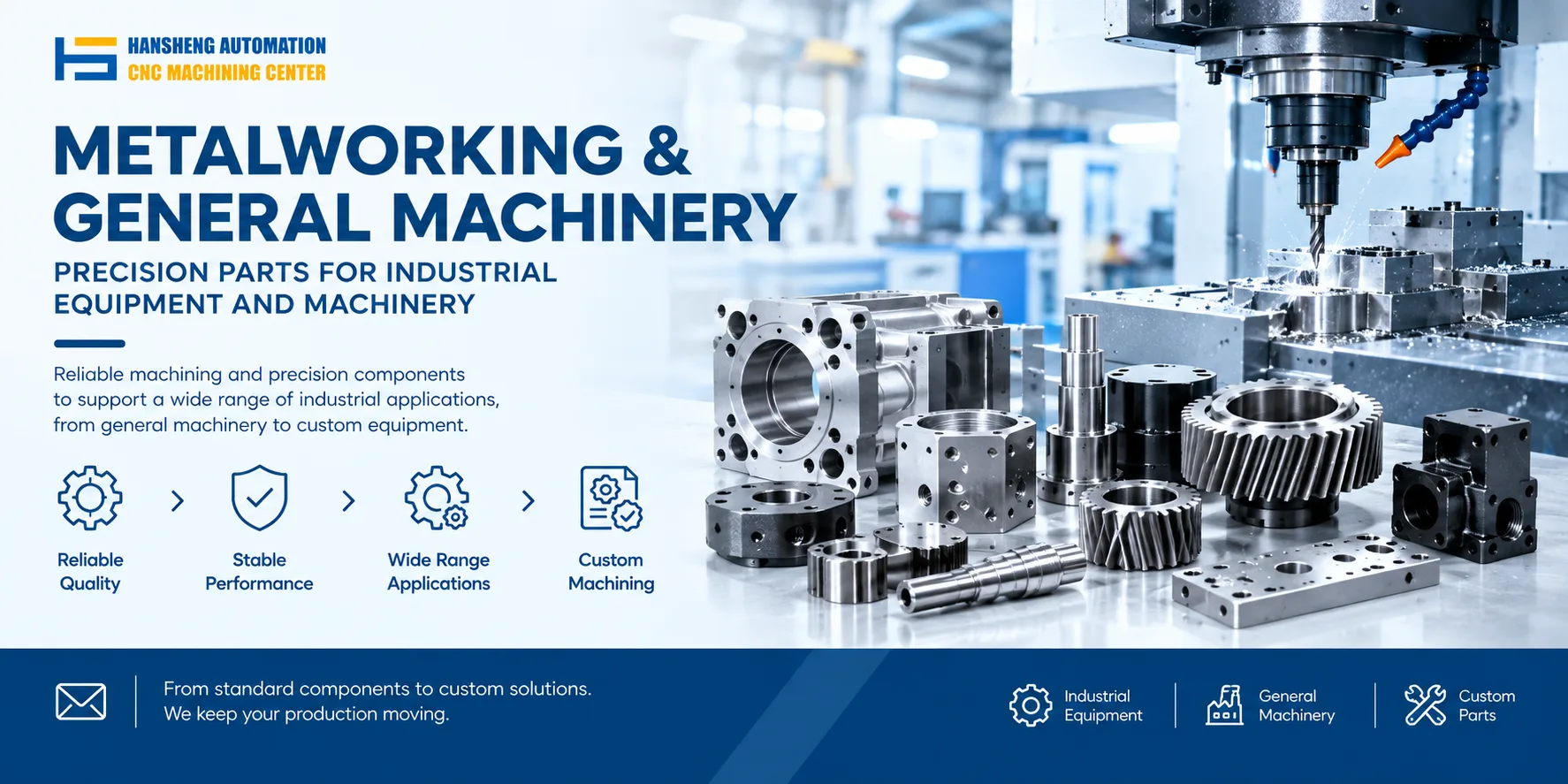
Our custom precision component machining capability is not limited to laser cutting. Beyond cutting nozzles, protective lens holders, and fixtures, we also machine yacht precision components, RC car structural parts, medical device parts, and non-standard parts for tobacco packaging machinery, filling machinery, and printing machinery. Hansheng Automation works from customer drawings and production quantities to deliver single-piece or low-volume precision machining.