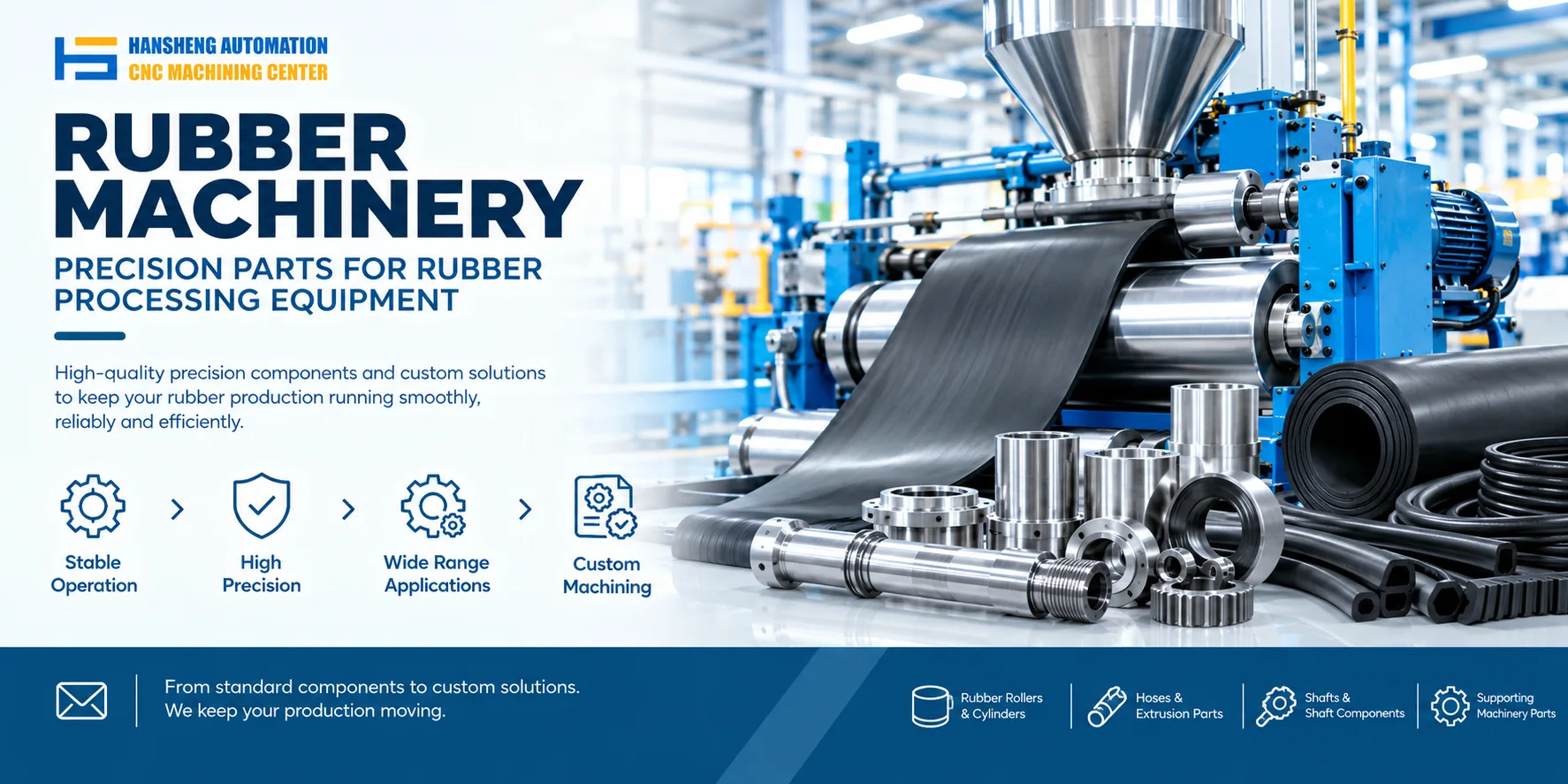
Proper operation and maintenance of a plastic calendering machine require suitable process settings, regular equipment inspections, and trained operators. Controlling temperature, pressure, and cooling conditions helps maintain product quality, while routine maintenance reduces equipment faults and production interruptions.
Operating a plastic calendering machine
Understand the machine structure and working principle
A plastic calendering machine forms plastic sheets or tubes through processes involving heating, pressure, and cooling. Its main components typically include the frame, heating system, calendering system, cooling system, and drive system.
Operators need to understand the function of each system and how the components work together during production. This knowledge helps them operate the machine correctly and identify potential problems.
Adjust the process parameters
Processing parameters should be adjusted according to the plastic material and product requirements. Relevant settings include heating temperature, pressure, and cooling rate.
Appropriate parameter settings help maintain consistent processing quality and improve production efficiency. The selected conditions should match the material being processed and the required product specifications.
Routine maintenance and equipment servicing
Daily maintenance
Regular maintenance helps keep the machine clean and the main systems in good working condition.
Remove residual plastic from the machine and check the operation of the heating, calendering, and cooling systems. Worn components should be replaced promptly to reduce the risk of equipment failure.
Periodic overhauls
Periodic overhauls involve a more comprehensive inspection of the machine. The work includes cleaning, lubrication, and replacement of components that have sustained substantial wear.
Where necessary, technical modifications can also be considered to improve equipment performance. Regular servicing helps prevent unexpected faults, reduce production downtime, and control maintenance costs.
Operator training and skill development
Follow operating procedures
Operators should be familiar with the machine's operating procedures and understand how to use the equipment correctly. Consistent adherence to established procedures helps reduce errors during production.
Develop troubleshooting skills
Operators need to recognize and address common equipment problems to maintain normal machine operation. Appropriate troubleshooting skills also help identify when maintenance or further technical inspection is required.
Provide regular training
Companies should organize regular training to improve operators' technical skills and strengthen their awareness of safety and product quality requirements. Well trained operators are better prepared to follow operating procedures, identify abnormalities, and maintain consistent production conditions.
Custom precision machining for plastic processing equipment
The service life and operating condition of plastic calendering machines depend in part on the condition and accuracy of their mechanical components. Hansheng Automation provides custom precision machining for nonstandard components based on customer supplied drawings, supporting equipment maintenance, component replacement, and custom manufacturing requirements.
Our machining services also cover precision parts for tobacco packaging and filling machinery, as well as structural components for yachts and remote control racing cars. We manufacture parts according to customer drawings and specified requirements for different industrial applications.