Maintaining a four roll calender requires regular inspections of roll surface accuracy, drive lubrication, electrical controls, and safety devices. Maintenance should follow a weekly, monthly, and quarterly schedule, alongside daily and shift based checks. Never perform maintenance while the equipment is energized or pressurized. Failure to follow proper procedures can damage the roll surfaces, cause drive system failures, or create safety hazards.
Roll surface maintenance and accuracy
Daily inspection and cleaning
After each shift, shut down the machine and disconnect the power supply before cleaning residual material from the roll surfaces with a copper wire brush. Display a maintenance sign to indicate that the equipment is being serviced. Never carry out cleaning or maintenance while the machine is energized.
Do not scrape the roll surfaces with hard metal tools, as they can cause permanent scratches that affect surface quality and processing accuracy.
Accuracy inspection and adjustment
Check roll parallelism with a micrometer every week. The gap deviation should remain within 0.02 mm. If the deviation exceeds this limit, adjust the locking nuts on the roll gap adjustment screws.
Measure roll surface roughness monthly. The Ra value must meet the equipment design requirements, with 0.8 μm as the typical value specified here. Minor scratches with a depth of less than 0.01 mm can be polished using 800 grit grinding paste. Scratches exceeding the specified limit require professional roll grinding by the equipment manufacturer.
Drive system lubrication
Lubricating oil management
Check the gearbox oil level daily. If the level falls below one third of the marked scale, top it up with the same grade of extreme pressure gear oil. Do not mix oils of different grades.
Replace the lubricating oil every six months. During an oil change, filter the old oil through a filter rated at 100 mesh or finer, as specified, and remove accumulated contaminants from the bottom of the oil sump.
Grease replenishment
Lubricate the roll bearings and drive gear pairs weekly using high temperature lithium based grease. Fill approximately one half to two thirds of the available cavity with grease. Avoid overfilling, as excess grease can leak from the lubricated area.
Electrical and control system maintenance
Electrical component inspection
Clean dust from inside the electrical control cabinet weekly using dry compressed air. This helps reduce the risk of electrical faults and short circuits.
Calibrate the temperature and pressure sensors monthly. If the response deviation exceeds ±5%, recalibrate the sensors.
Check the insulation resistance of the main electrical circuit quarterly using a 500 V megohmmeter. The insulation resistance must be at least 0.5 MΩ to meet the specified acceptance requirement.
Safety devices and auxiliary components
Safety device inspection
Inspect the roll guards and safety door interlocks daily. Do not operate the machine if a guard is damaged or an interlock is not functioning correctly.
Test the emergency stop system every two weeks. After activation, the machine must stop within one second, without delay.
Blade and guide roller maintenance
Inspect the doctor blades and guide rollers at the end of every shift. Replace a doctor blade immediately if its wear thickness exceeds 0.5 mm, as continued use may scratch the roll surface.
Clean the guide rollers at the calender inlet and outlet to prevent material residue from accumulating and obstructing equipment operation.
Custom precision machining for calendering equipment
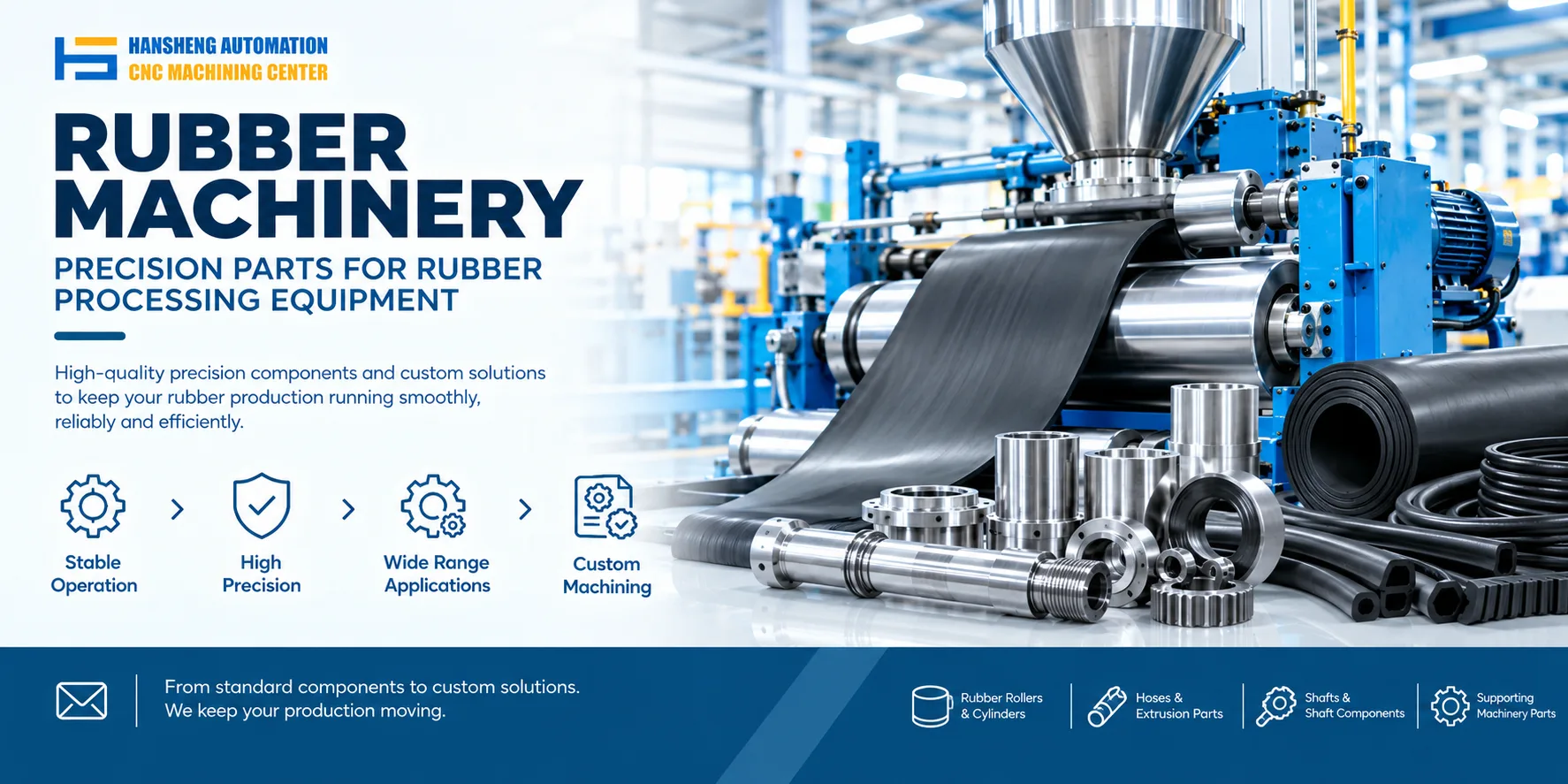
When maintenance requires component replacement or nonstandard mechanical parts, Hansheng Automation provides custom precision machining based on customer supplied drawings. We manufacture components according to specified dimensions, tolerances, and structural requirements to support maintenance and replacement needs for calendering and other industrial equipment.
Our machining services also cover precision parts for filling machinery and tobacco packaging equipment, as well as custom components for yachts and remote control racing cars. Each part is manufactured according to the customer's drawings and application requirements.