The GT4B18 can seaming machine achieves efficient sealing through three core processes: orderly can feeding, vacuum air removal, and precision seaming.
1. Can Feeding Stage
The machine uses a continuous screw feeding method to drive the cans. The rotating thread pushes scattered cans into a single-file queue and directs them to the designated slot at the seaming station. This structure supports a processing speed of 20–80 cans per minute and effectively prevents misalignment or jamming when multiple cans are fed simultaneously.
2. Vacuum Treatment
After the can is in position, the machine activates the steam injection system. High-temperature steam creates a negative pressure airflow, reducing the oxygen content inside the can to ≤2% within 0.5–1 second. This method is approximately 30% more efficient than traditional mechanical vacuum pumps. The 180° steam diffusion angle ensures no dead zones during air extraction, reducing the risk of food oxidation and spoilage caused by residual air.
3. Seaming Control
The machine adopts a four-axis linkage structure, with each seaming head equipped with two sets of precision rollers. The first set pre-bends the lid edge at 45°, while the second set applies 1200 N of pressure to complete a 90° tight fold. The entire process operates cyclically on a four-station rotary table, with each station completing seaming in 0.2 seconds. The width error of the lid seam is precisely controlled within ±0.02 mm, meeting the sealing standard of GMI certification.
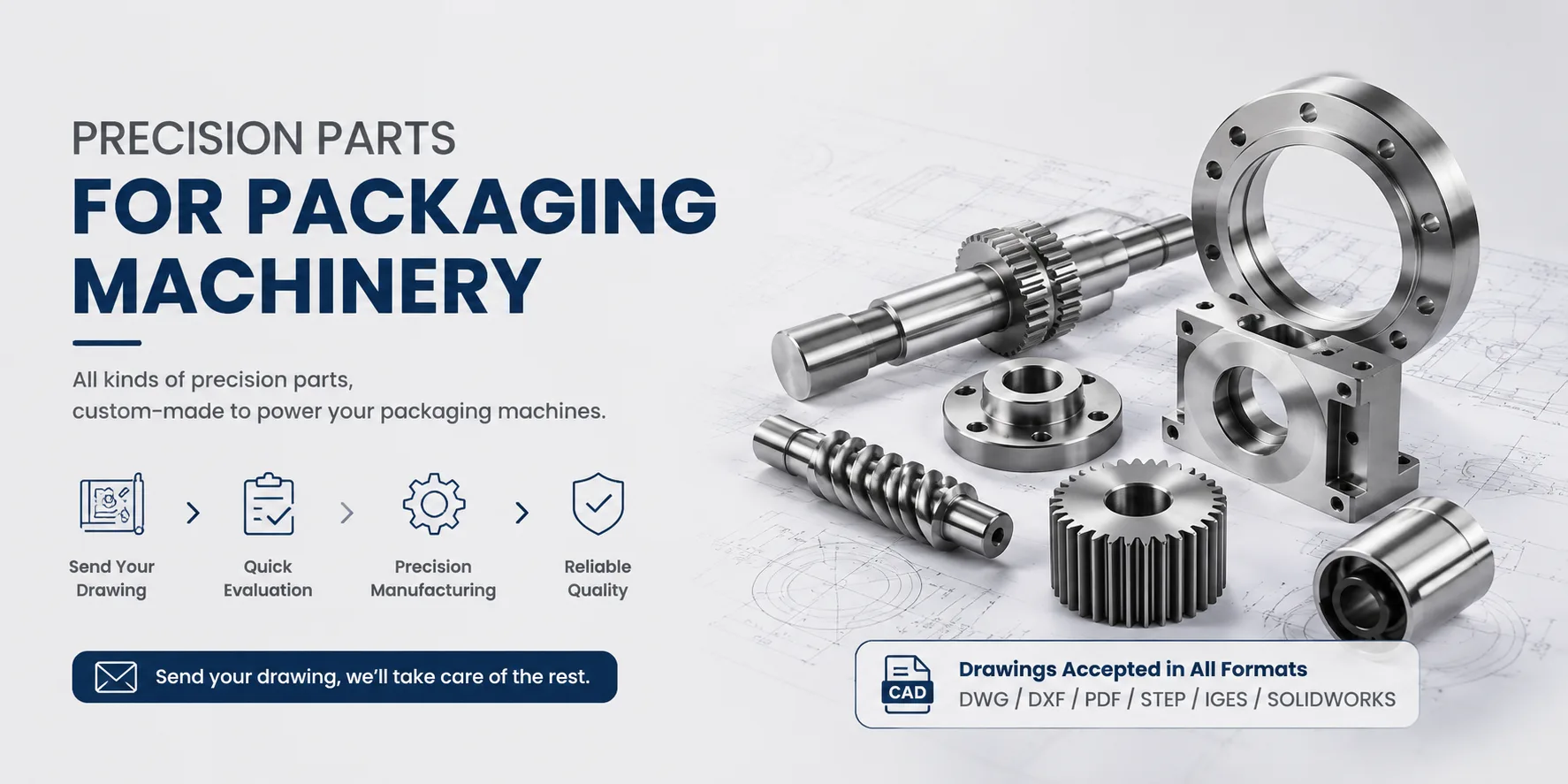
The seaming rollers and pressure heads in this process are high-wear components that require strict dimensional accuracy and surface hardness. Hansheng Automation provides custom machining of these parts according to customer drawings or samples, helping maintain consistent sealing precision in continuous production.