Automatic feeding spin riveting machines are used for efficient, precise riveting. They are widely used in automotive, aerospace, electronics manufacturing, and other industries. Their core principle is the combined action of rotation and pressure to complete riveting, while an automatic system handles feeding and positioning.
Equipment structure and functional modules
Feeding system:
Vibratory bowls, conveyor belts, or robotic arms automatically and orderly deliver rivets to preset stations. Some machines use advanced visual positioning systems to ensure precise alignment between rivets and workpiece holes, improving riveting accuracy.
Drive system:
It includes electric, pneumatic, or hydraulic drive methods to provide rotation and axial pressure for the spin riveting mechanism. For example, a servo motor drives a ball screw for high-precision linear motion, while a hydraulic system applies strong pressure through a piston to complete riveting.
Spin riveting mechanism:
It is divided into orbital spin riveting and radial spin riveting.
Orbital spin riveting: the spindle rotates and drives an eccentric spin riveting head. Vertical downward pressure deforms the rivet. It suits general accuracy requirements.
Radial spin riveting: the spindle drives the riveting head along a specific path through an eccentric gear shaft, such as an 11-petal plum blossom path, performing non-sliding rolling on the rivet. It gives high riveting finish and no internal stress, and suits high-precision needs.
Control system:
It uses a CNC system or PLC control module, integrating parameter setting, motion path planning, and real-time monitoring. Sensors provide real-time feedback on riveting force, position, and other data to ensure stable and accurate riveting.
Working principle and process flow
Cold roll riveting process:
Based on the principle of metal plastic deformation, it combines high pressure and rotational motion to cold-extrude the rivet head and form a joint without stress concentration. Compared with traditional hot riveting, cold riveting avoids material property degradation from high temperature and improves joint quality and reliability.
Automated process:
Feeding stage: rivets are sorted by a vibratory bowl and automatically sent to the riveting station by a robotic arm or conveyor belt.
Positioning and clamping: the workpiece is fixed with a fixture. A vision system or sensor checks the match between rivet and hole position to ensure precise alignment.
Spin riveting execution: the spindle rotates and presses down along a preset path. The riveting head completes rivet forming with a specific motion path, such as plum blossom shape or eccentric oscillation.
Quality inspection: pressure sensors and cameras monitor riveting quality in real time. Abnormal conditions trigger alarms or automatic parameter adjustment to keep quality stable and reliable.
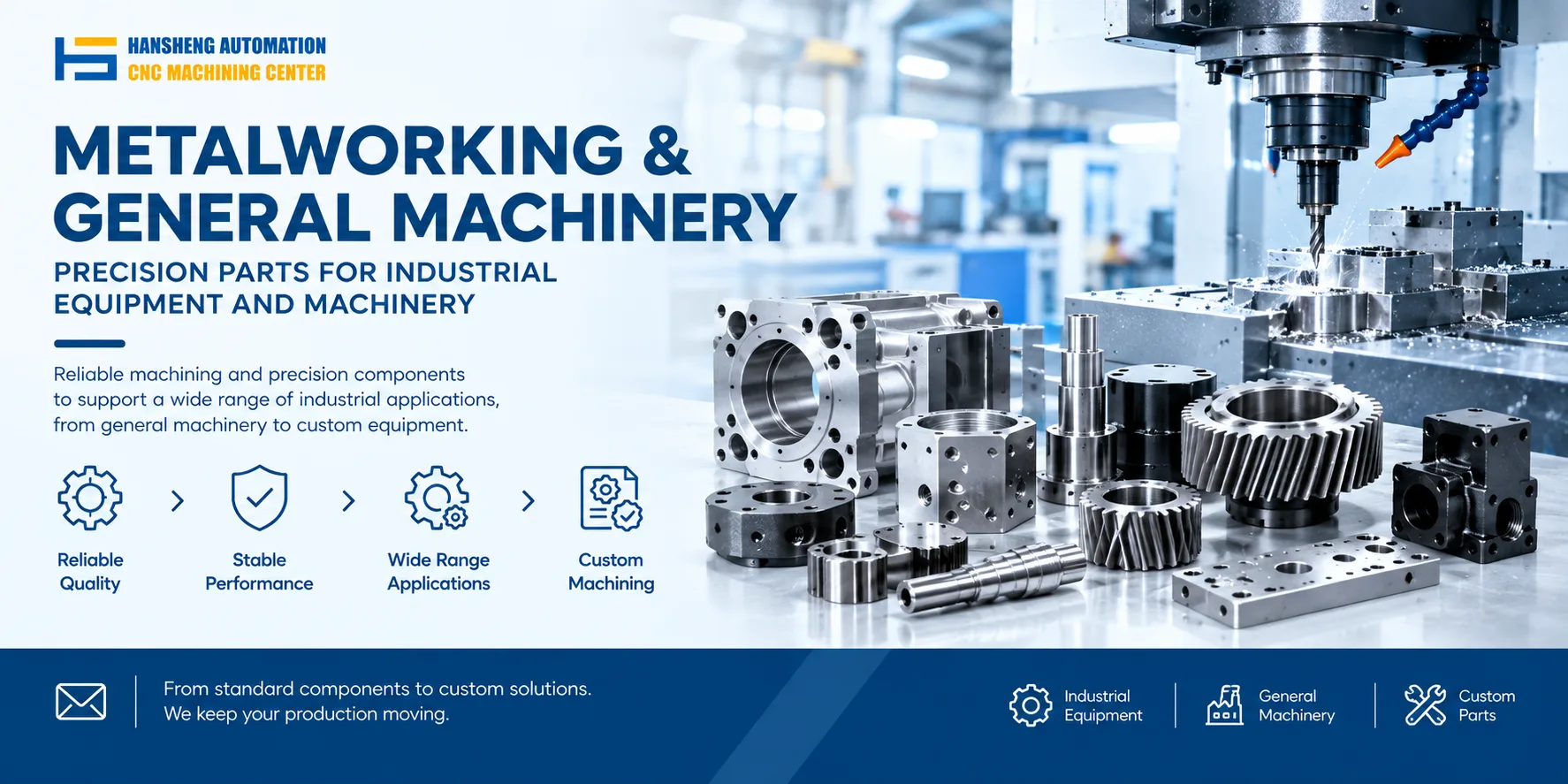
We can machine custom spin riveting heads, fixtures, feed rails, and other precision parts from customer drawings, for single-piece or low-volume production.
Technical advantages
High efficiency and high precision:
Multi-station design can process multiple riveting points at the same time. Combined with a CNC system, it achieves high-precision positioning, such as ±0.01 mm, and greatly improves production efficiency.
Wide material adaptability:
It suits joining metals and non-metals, such as steel, aluminum, plastics, and composites. It does not damage surface plating or paint, meeting various material joining needs.
Energy saving and environmental protection:
The cold riveting process requires no heating, reducing energy consumption and material loss, and aligning with green manufacturing trends.
Typical application fields
Automotive manufacturing: used for body structure riveting to improve joint strength and safety.
Aerospace: high-precision riveting of aircraft skin and frames and other key parts to ensure structural reliability.
Electronic equipment: precision riveting of phone and computer housings, balancing efficiency and appearance.
Automatic feeding spin riveting machines achieve efficient, high-quality riveting through the coordination of automatic feeding, precision spin riveting mechanisms, and intelligent control systems. The technical core is the combination of cold roll process and automated flow. Application prospects are broad. As intelligent and flexible technologies develop, automatic feeding spin riveting machines will continue to improve and provide more practical solutions for high-end manufacturing.
Our custom precision component machining capability is not limited to automatic feeding spin riveting machines. Beyond spin riveting heads, fixtures, and feed rails, we also machine yacht precision components, RC car structural parts, medical device parts, and non-standard parts for packaging machinery, food machinery, and textile machinery. Hansheng Automation works from customer drawings and production quantities to deliver single-piece or low-volume precision machining.