An automatic riveting machine uses a press and a dedicated joining die. Instant high pressure causes cold extrusion deformation of sheet material. This forms an internally interlocked point with tensile and shear strength and no stress concentration. It can join sheets of different materials and thicknesses.
The technology has no special requirements for the sheet surface. Original plating and paint at the joint are not damaged. The joining process is highly automated. It supports single-point or multi-point simultaneous joining. It has non-destructive joint strength testing and full-process automatic monitoring. Production efficiency is high.
Rivetless joining technology is gradually replacing traditional joining processes. It addresses the economic and technical limits of general joining methods. Compared with spot welding, automatic riveting machines have lower equipment cost and reasonable joining cost. They are suitable for joining multilayer sheets, coated aluminum, copper, and stainless steel sheets, painted sheets, sheets of different materials, and sheets with large thickness differences or interlayers. They do not damage surface coating, avoid thermal deformation, and provide reliable automatic inspection during joining.
Compared with traditional joining methods, automatic riveting machines have an advantage in per-piece joining cost. In riveting or threaded connection, costs including preparation, conveying, and parts are higher. Automatic riveting machines significantly reduce these costs and improve economic benefits.
In summary, automatic riveting machines are efficient, economical, and non-damaging. They suit joining sheets of various materials and thicknesses and provide a practical joining solution for modern industrial production.
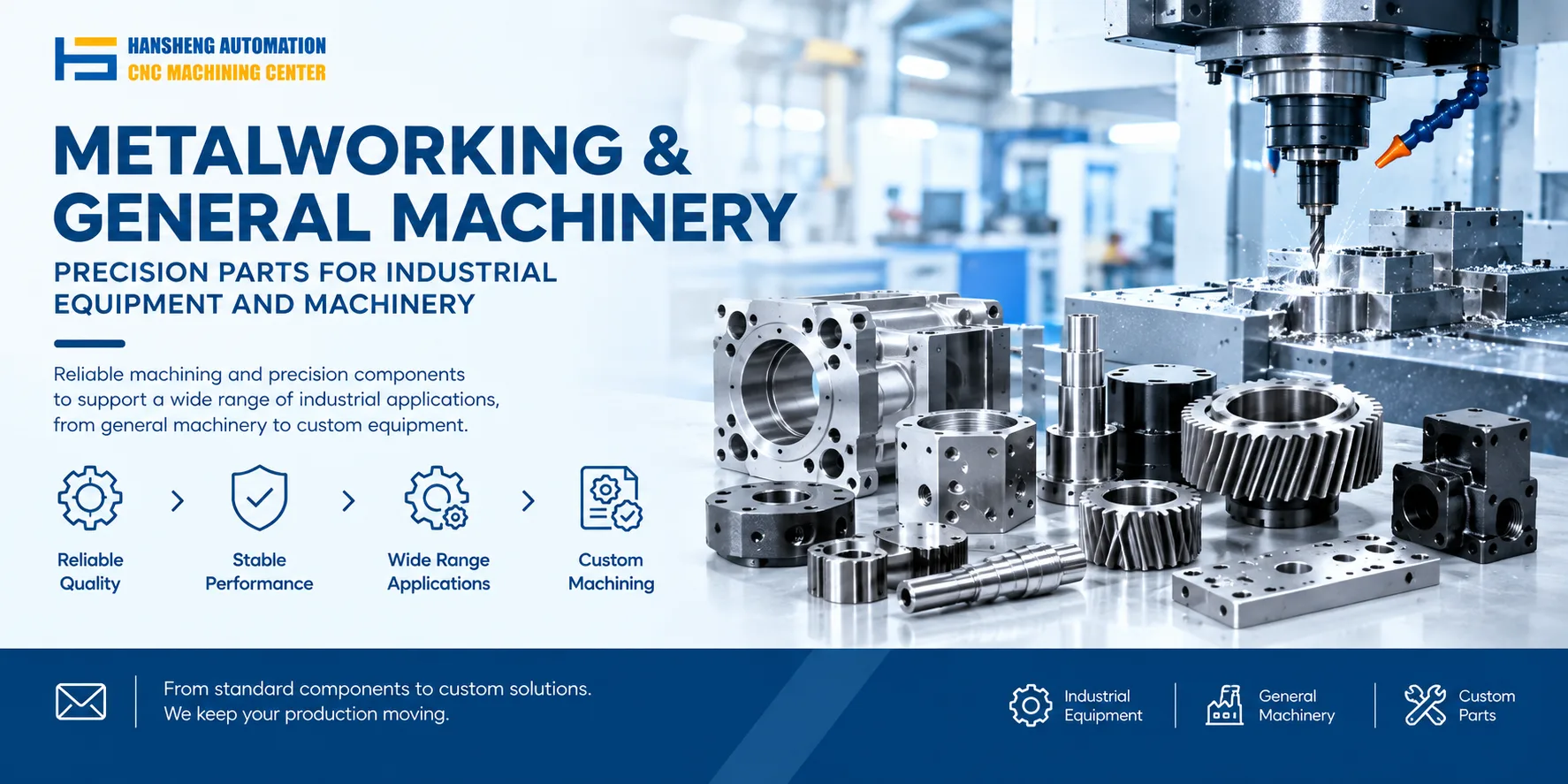
Our custom precision component machining capability is not limited to automatic riveting machines. Beyond riveting heads, fixtures, and joining dies, we also machine yacht precision components, RC car structural parts, medical device parts, and non-standard parts for tobacco packaging machinery, filling machinery, and printing machinery. Hansheng Automation works from customer drawings and production quantities to deliver single-piece or low-volume precision machining.