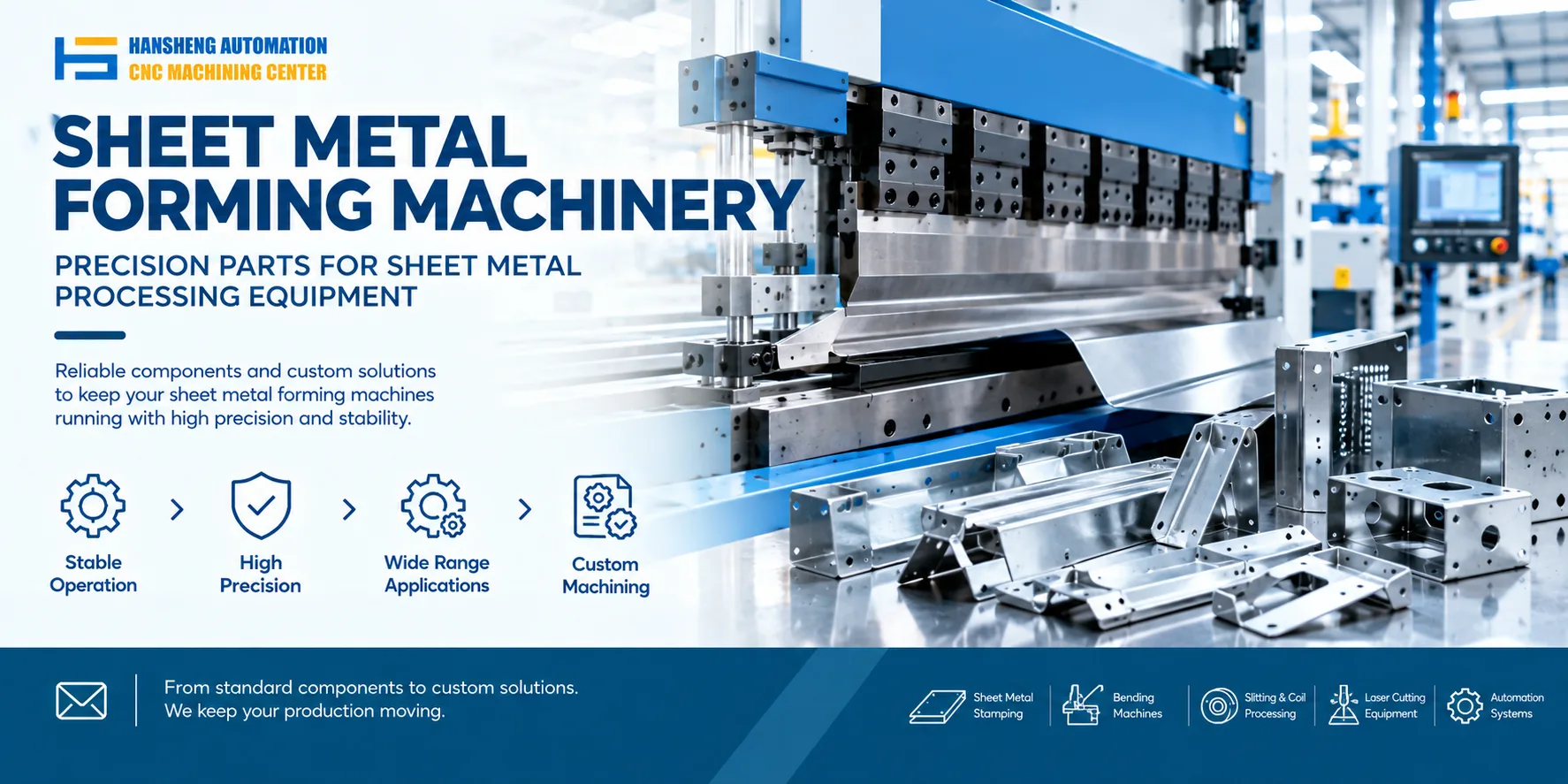
A hydraulic shearing machine may fail to lower its upper blade because of hydraulic valve faults, electrical limit switch problems, a faulty foot switch, or a malfunctioning hydraulic pump. Other common problems include insufficient hydraulic pressure, failure of the blade carrier to move, and a slow or incomplete return stroke.
Troubleshooting should begin with the machine's alarm messages and operating symptoms. Identify the cause before replacing components or adjusting hydraulic settings.
Why the Upper Blade Will Not Descend
Check the relief valve and hydraulic circuit
A blocked or malfunctioning relief valve can prevent the hydraulic system from developing the pressure required to move the blade carrier.
Check the pump's operating status, system pressure, and relevant valve control signals. Inspect the relief valve and associated hydraulic circuit for contamination or malfunction.
Do not disconnect the cylinder inlet while the system is pressurized to check for oil flow. Oil flow alone cannot confirm that the solenoid valve and relief valve are operating correctly. If hydraulic components need to be removed for inspection, isolate the machine and release residual pressure according to the manufacturer's service procedure.
Inspect the electrical limit switches
A faulty, loose, or incorrectly positioned limit switch may prevent the machine from completing the commanded movement.
Check the relevant limit switches, wiring connections, and controller alarm messages. Replace damaged switches or correct their installation according to the machine manufacturer's instructions.
Check the foot switch and hydraulic pump
The foot switch sends an operating command to the control system. If its switch contacts, cable, or connections are faulty, the machine may not respond when the pedal is pressed.
Check the foot switch signal and its electrical connections. Also confirm that the hydraulic pump starts and runs normally. If the pump fails to operate or cannot establish the required pressure, qualified maintenance personnel should inspect the pump, motor, and associated hydraulic circuit.
Common Hydraulic Shearing Machine Faults and Solutions
The hydraulic circuit cannot build up pressure
A hydraulic system that cannot develop sufficient pressure may have an electrical connection fault, a sticking valve spool, or contamination inside a valve assembly.
Check whether the electrical connector of the solenoid directional valve is making proper contact. Inspect the cartridge valve assembly for contamination around the valve seats and sealing surfaces.
If a valve is blocked or contaminated, a qualified technician should isolate the machine, release the hydraulic pressure, and clean or repair the affected components according to the manufacturer's procedure. Inspect the components before reassembly and verify that the system operates correctly afterward.
The upper blade carrier does not move
If the upper blade carrier fails to move, check the CNC system's hardware and software alarms to identify the reported fault.
Review the relevant control parameters and confirm that the machine is operating in the correct mode. If the controller indicates an electrical, hydraulic, or position-related fault, follow the corresponding troubleshooting procedure rather than repeatedly issuing movement commands.
The upper blade returns slowly or fails to reach the upper limit
A slow return stroke or failure to reach the upper limit may be caused by insufficient nitrogen pressure in the nitrogen cylinder or accumulator, a blocked orifice in the combination valve, or another hydraulic fault, depending on the machine design.
Check the alarm records and inspect the hydraulic return circuit. If the design uses a nitrogen-charged cylinder or accumulator, have qualified personnel verify its pressure against the manufacturer's specifications. Recharging must use the specified gas and approved equipment.
If a damping or throttling orifice is blocked, the valve assembly may require cleaning. This work should be performed only after the system has been safely depressurized and the correct service procedure has been confirmed.
The hydraulic system does not operate normally
If the machine continues to malfunction after the initial checks, inspect the hydraulic pump, pipelines, solenoid valves, and associated electrical controls.
A circuit board fault may also cause intermittent operating problems. If the available diagnostic information points to the control board, a known-good replacement board with matching specifications can be used by qualified technicians to isolate the suspected fault. Power must be isolated before removing or replacing the board.
After repairs, verify the hydraulic system, blade movement, and safety functions before returning the machine to production.
Safety Precautions During Troubleshooting
Before inspecting or repairing a hydraulic shearing machine, stop the machine, isolate the power supply, and release stored hydraulic pressure according to the manufacturer's instructions.
Never loosen hydraulic fittings or remove valve components while the circuit remains pressurized. Keep hands and other body parts away from the cutting zone, and do not bypass limit switches or safety interlocks to force machine movement.
If the fault involves internal hydraulic valves, nitrogen charging, electrical controls, or a suspected circuit board failure, arrange inspection by qualified maintenance personnel.
Custom Precision Machining for Industrial Applications
Hansheng Automation provides custom precision machining based on customer drawings for a range of industrial applications. Our work includes precision components for yacht equipment and RC racing cars, as well as nonstandard parts for tobacco packaging machinery and filling machinery. Each component is manufactured according to the supplied drawings and the specific dimensional and structural requirements.