Slow discharge and excessive material accumulation in the filter bag are usually related to reduced grinding efficiency, restricted airflow, unsuitable material properties, or improper operating parameters. A systematic inspection of the material, grinding chamber, airflow system, filter bags, and feeding system can help identify the cause.
1. Material Properties
Materials with high viscosity or excessive moisture are more likely to adhere to the grinding chamber, pipes, or filter bags, which can restrict material flow.
Before grinding, the material should be properly dried when necessary. For materials with strong cohesiveness, an appropriate processing aid may also be considered according to the specific application and formulation requirements.
2. Wear of Grinding Components
Worn grinding components such as blades, grinding teeth, or toothed rings can reduce grinding efficiency and increase the amount of oversized material entering the classification and collection system.
Operators should regularly inspect the condition and working clearance of the grinding components. Severely worn parts should be replaced according to the equipment manufacturer's maintenance requirements.
3. Airflow System Problems
Insufficient fan performance, accumulated material inside the fan, blocked pipelines, or air leakage can reduce the airflow required for material transport.
Check the fan impeller, conveying pipelines, joints, and seals for material buildup or leakage. Restoring stable airflow can significantly improve discharge efficiency and reduce excessive material accumulation in the filter bag.
4. Filter Bag Selection and Maintenance
An unsuitable filter bag can also affect the discharge process. Excessive dust loading, poor permeability, or an inappropriate filtration grade may increase airflow resistance.
The filter bags should be cleaned regularly according to the operating conditions. For applications involving static-sensitive powders, an appropriate antistatic filter material can be selected based on the process requirements.
5. Improper Feeding Rate
Excessive feeding can cause material accumulation inside the grinding chamber, overload the main motor, and reduce the efficiency of the airflow classification system.
Using a variable-frequency feeder can help control the feed rate more precisely. The actual operating current and load should remain within the equipment manufacturer's recommended range rather than relying on a fixed value for all machines.
Recommended Troubleshooting Sequence
When the ultrafine pulverizer discharges slowly and the filter bag collects excessive material, first inspect the fan, airflow pipelines, and filter bags, as these components directly affect material transport and dust collection.
If the airflow system is normal, continue checking the grinding components, feed rate, and material moisture or viscosity. A combination of mechanical inspection and process-parameter adjustment is generally more effective than changing only one operating parameter.
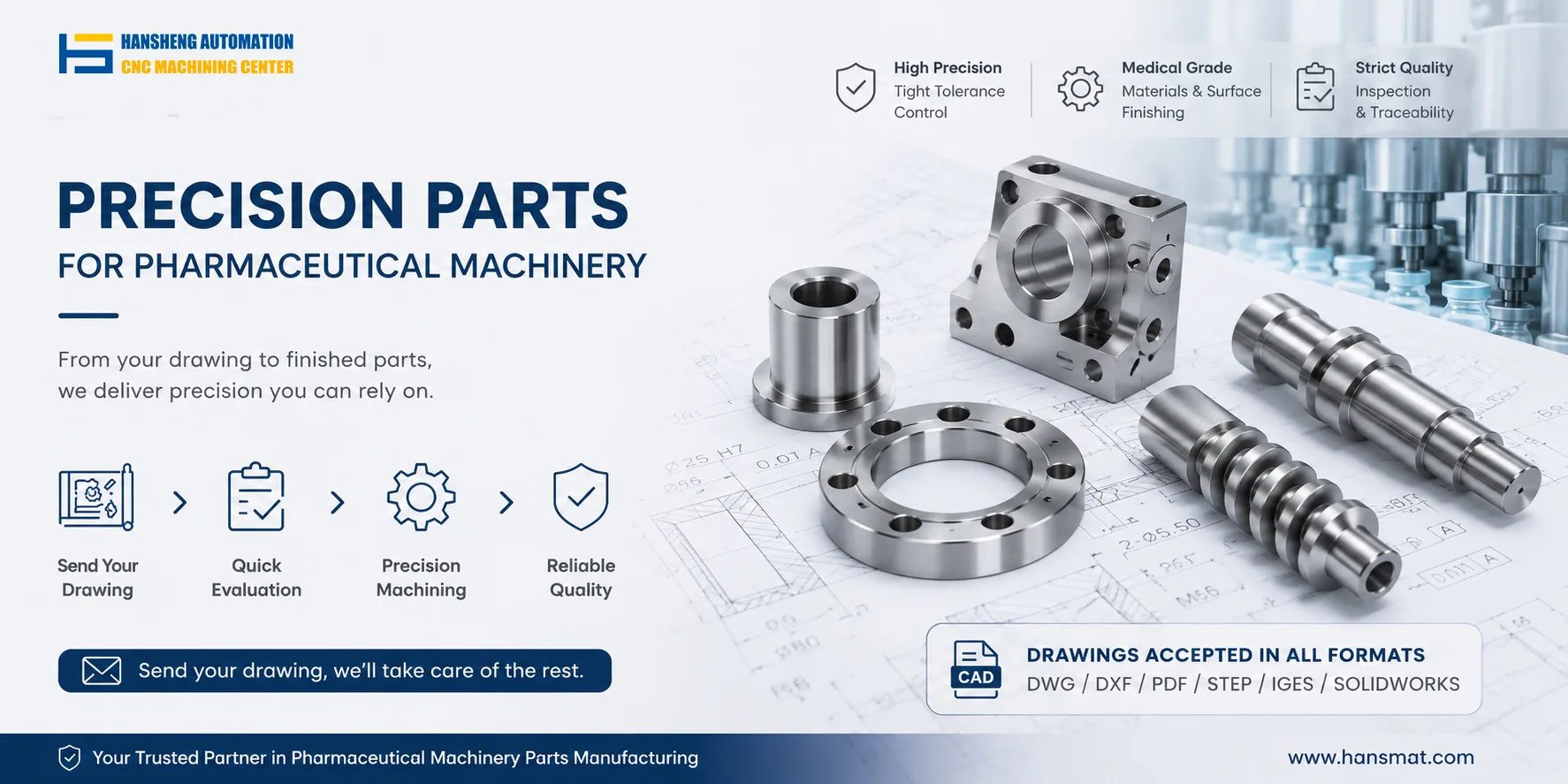
For customers who need replacement or upgraded components for pulverizing equipment, Hansheng Automation can provide custom precision machining based on customer drawings and technical specifications, including non-standard grinding, transmission, shaft, and housing components.