The service life of either engine depends on how it is used and maintained. A chain-driven engine has an advantage in high rpm performance. A pushrod engine has an advantage in low and mid rpm torque and daily practicality. The better choice depends on the actual demand.
High rpm performance
At the same displacement, a chain-driven engine can raise rpm to make more power. It is smaller, lighter, and places less mechanical load on some parts. Ignition is more precise, and the design can use several advanced technologies. Many high-performance large-displacement sport bikes use chain-driven engines. This layout also demands higher manufacturing precision.
Low and mid rpm performance
A pushrod engine does not suit high rpm. Its design often uses a smaller bore and a longer stroke to increase torque and avoid the weak points of high rpm. At low and mid rpm, it produces strong torque, accelerates well, climbs well, and offers good practical performance. A chain-driven engine can also change bore and stroke for high rpm. In that area, a pushrod engine cannot match a chain-driven engine.
Drive method
A chain-driven engine often uses a toothed belt or chain drive. A toothed belt needs no lubrication and runs quietly, but its life is a little shorter than a chain. A chain drive needs lubrication and makes more noise, but it is reliable, and its life can match the engine. The camshaft usually sits in the middle of the crankcase. This valve train often uses cylindrical timing gears. To reduce noise and improve meshing smoothness, the timing gears often use helical teeth. Gear drive is accurate and reliable, but it is noisier.
Which one lasts longer?
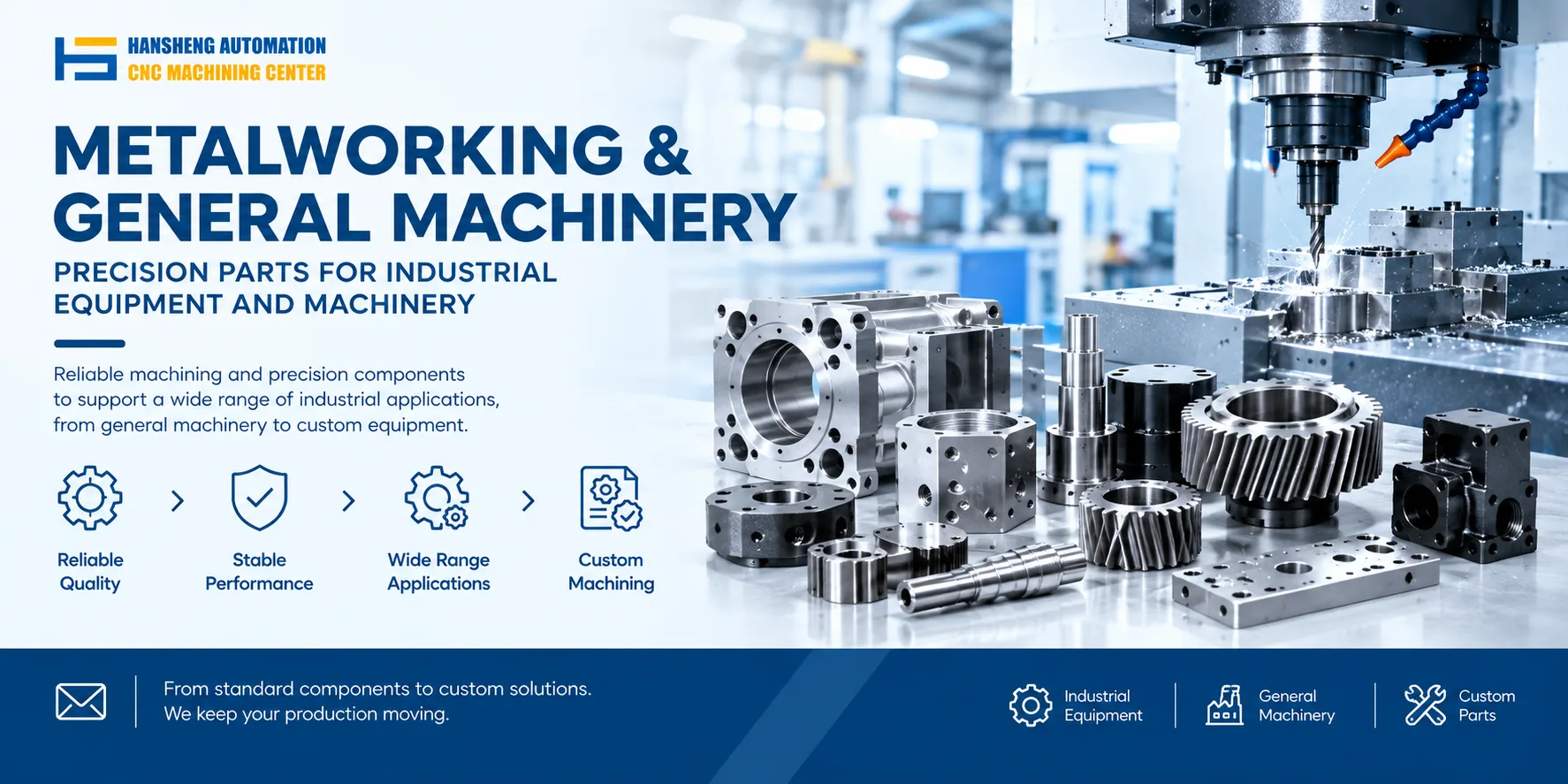
The answer depends on the application. A chain-driven engine performs better at high rpm, but it requires better manufacturing. A pushrod engine performs well at low and mid rpm and is practical for many daily uses. Regardless of the type, lubrication and maintenance affect service life. When a sprocket, timing gear, or tensioner reaches its wear limit, Hansheng Automation can machine a replacement from customer drawings. We work from the drawing to match the material, tolerance, and surface treatment.
Hansheng Automation also takes on custom precision parts beyond this topic. Our work covers filling machinery, tobacco packaging machinery, yacht components, and RC car components, among other equipment. We work from customer drawings for single pieces or small batches.