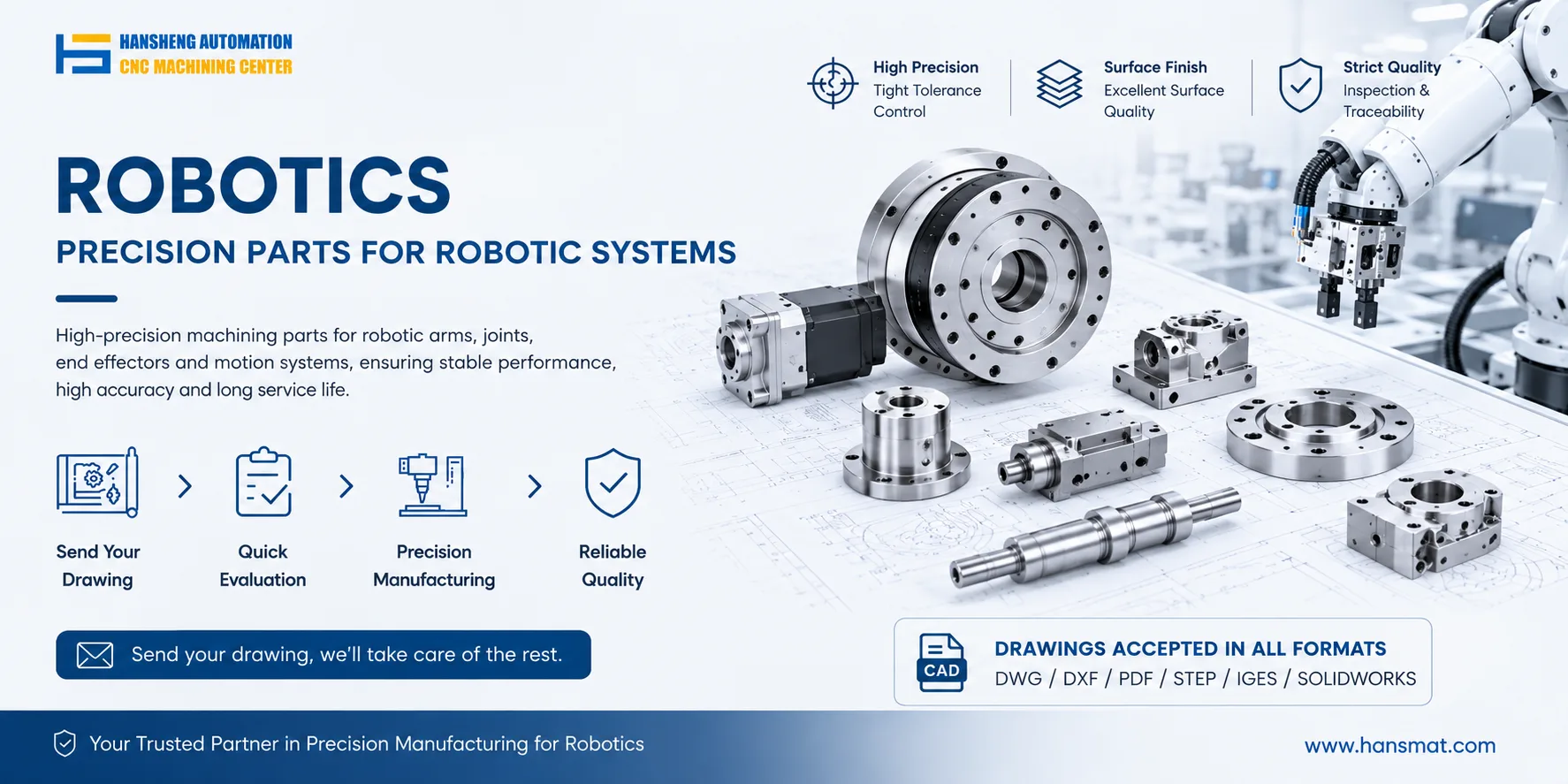
The fixture mounting position on a six-axis robot is normally limited to the end of the arm, at the sixth axis, where a mounting flange is located. This flange is designed to allow installation of various types of fixtures for different work requirements. The main advantage of mounting a fixture on the sixth axis is that it provides sufficient flexibility to handle workpieces of different shapes and sizes. In this way, the robot can perform precise picking and placing motions.
The mounting flange on the sixth axis usually provides multiple interface options, such as R8 and R16, allowing users to select suitable fixtures according to specific needs. In addition, because the sixth-axis mounting position is close to the end effector, the motion range of the robot arm is not significantly affected after the fixture is installed. This is especially important for applications that require frequent adjustment of working positions.
It is worth noting that in some special cases, fixtures may also be installed on the fifth axis or fourth axis, but this usually requires additional design and adjustment. For example, some applications may require a fixture on the fifth axis to perform specific operations such as rotating or flipping workpieces. However, this approach may limit the degrees of freedom of the robot arm and reduce its flexibility.
For non-standard flange patterns or custom adapter plates used at the sixth-axis mounting interface, Hansheng Automation can provide machining services based on customer drawings. Overall, the mounting flange at the sixth axis is the best choice for fixture installation. During specific design work, workpiece characteristics and operational requirements should be considered together to select the most suitable fixture mounting position and achieve an efficient and accurate workflow.